As more people seek clarity, personal growth, and meaningful change, the coaching profession continues to expand–and so do the types of life coaches shaping the field. From career transitions to leadership development to wellness support, coaches today specialize in unique areas that match their strengths and passions. Understanding these pathways can help aspiring coaches choose training programs that align with the kind of impact they want to make.
Coach Training Alliance (CTA) has trained thousands of coaches across many specialties, and their programs provide a strong foundation for students exploring different coaching directions.
Why Specializations Matter in a Coaching Career
Coaching is not one-size-fits-all. While every coach learns core skills–presence, listening, powerful questioning–specializations help define your audience and the problems you’re uniquely equipped to guide.
CTA’s Certified Coach Program (https://www.coachtrainingalliance.com/programs/certified-coach-program/) introduces students to broad coaching competencies while also helping them explore different pathways. Many coaches begin here before choosing a niche that reflects their interests.
If you’re still discovering what type of life coach you want to be, CTA’s Explore Coaching Page (https://www.coachtrainingalliance.com/explore-coaching/) provides clarity on program formats, expectations, and coaching roles.
Personal Development Coaches
One of the most common types of life coaches focuses on personal growth–helping clients navigate confidence, life transitions, habits, and clarity. These coaches help people define values, build self-awareness, and create sustainable change.
This specialty attracts students who naturally enjoy guiding others through reflection and transformation. CTA’s experiential approach, illustrated in their Exclusive Learning Model Page (https://www.coachtrainingalliance.com/life-coaching-faq/coach-training-alliance-exclusive-learning-model/), supports coaches who want hands-on practice in these deeply personal conversations.
Career and Executive Coaches
Another rapidly growing specialty is coaching for career development and leadership. Career coaches help clients with job transitions, role clarity, or long-term professional planning. Executive coaches, meanwhile, work with organizational leaders to develop communication, strategic thinking, and team leadership.
Professionals interested in leadership-focused coaching often explore CTA’s Advanced Executive Coach Certification (https://www.coachtrainingalliance.com/programs/advanced-executive-coach-certification/) or their Organizational Coaching Program (https://www.coachtrainingalliance.com/programs/organizational-coaching/). These programs blend coaching methodology with real-world leadership development principles.
External research from sources like Forbes and McKinsey (https://www.forbes.com, https://www.mckinsey.com) shows that leadership coaching continues to be one of the highest-demand coaching specialties.
Health, Wellness & Mindset Coaches
Health and wellness coaching is ideal for those who want to support clients in building healthy habits, managing stress, or achieving balance. While not a substitute for medical professionals, these types of life coaches help clients integrate lifestyle changes and mindset strategies into their daily routines.
Many wellness-oriented coaches begin with a broad coaching certification and later add specialized training. CTA’s Class Schedule Page (https://www.coachtrainingalliance.com/class-schedule/) helps students map out when they can get started.
Relationship and Communication Coaches
Some of the most impactful coaching work happens in the realm of relationships — whether romantic, family, or workplace-related. These coaches guide clients toward better communication, deeper connection, and healthier conflict resolution.
Because relationship coaching requires nuanced interpersonal skills, CTA’s mentor-guided model provides the supportive environment necessary to practice real conversations before working with clients.
Business and Entrepreneur Coaches
With entrepreneurship on the rise, coaches who support business owners, freelancers, and creatives are more relevant than ever. These types of life coaches help clients clarify goals, make decisions, and maintain resilience through uncertainty.
Business coaching often pairs well with CTA’s training because the programs include practical tools for setting up a coaching practice–something future business coaches can apply in their own journey.
Choosing Your Path as a New Coach
If you’re exploring the different types of life coaches, the next step is to understand how training prepares you for these specialties. CTA’s Life Coaching Programs Overview Page (https://www.coachtrainingalliance.com/programs/) outlines all certification paths.
You can also review student stories on the Graduate Testimonials Page (https://www.coachtrainingalliance.com/testimonials/) to see how real coaches discovered their niches over time.
In the end, choosing your specialty isn’t about picking the “right” type–it’s about choosing the type of life coach you want to become. With strong foundational training and exposure to diverse coaching styles, you can build a coaching practice that aligns with your strengths, values, and vision for helping others.

Organizations today are rethinking what leadership really means–not just directing work, but creating environments where people feel seen, supported, and able to contribute at their highest level. This shift explains why inclusive leadership training has become essential across industries. It teaches leaders how to improve team dynamics, strengthen communication, and foster cultures where diverse perspectives drive better outcomes.
For professionals exploring leadership development grounded in coaching principles, programs from Coach Training Alliance (CTA) offer a distinctive approach. Their curriculum emphasizes human-centered communication, accountability, and collaborative growth, making it highly relevant for leaders who want to build more inclusive teams.
Why Inclusive Leadership Requires a Coaching Mindset
One of the biggest misconceptions about leadership training is that it focuses only on decision-making or strategic thinking. Inclusive leadership, however, is rooted in how leaders listen, respond, and guide people. This is where coaching-based frameworks excel.
CTA’s Co-Creative Leadership Program (https://www.coachtrainingalliance.com/programs/co-creative-leadership-program/) introduces leaders to communication practices that promote trust and psychological safety–two pillars of inclusive environments. When leaders learn to ask powerful questions, create clarity through reflection, and support the growth of others, inclusion becomes a natural outcome rather than a checklist.
Learning Through Real Interaction, Not Passive Theory
Many leadership development programs rely heavily on lectures or self-paced modules. While information matters, inclusive leadership training requires practice–especially practice in real conversations.
CTA’s design philosophy, shaped by their Exclusive Learning Model (https://www.coachtrainingalliance.com/life-coaching-faq/coach-training-alliance-exclusive-learning-model/), integrates live sessions, mentor involvement, and structured exercises. This approach mirrors the actual interactions leaders face at work: navigating conflict, encouraging diverse perspectives, and supporting employees through change.
Leaders who experience this learning style gain:
- Confidence addressing tough conversations
- New tools for building psychological safety
- Skills for guiding teams through transitions
- Increased awareness of their communication patterns
These are core components of inclusive leadership training and essential to applying inclusive practices on the job.
Exploring Programs That Strengthen Inclusive Leadership Skills
Different leaders have different needs. Some want to deepen their coaching skills; others want to explore the broader landscape of leadership development. CTA provides options across these goals.
Leaders who want foundational coaching skills that complement their leadership style often explore the Leader as Coach Program (https://www.coachtrainingalliance.com/programs/leader-as-coach/). This method trains leaders to shift from directive communication to partnership-based dialogue — a central competency of inclusive organizations.
For leaders considering long-term certification or more extensive training, the Programs Overview Page (https://www.coachtrainingalliance.com/programs/) offers insight into CTA’s broader curriculum.
How Inclusive Leadership Impacts Team Performance
Inclusive leadership is not just a culture initiative–it directly affects measurable outcomes. Studies from organizations like Deloitte and the Harvard Business Review show that inclusive teams outperform others, experience higher engagement, and innovate more effectively. (External references: https://hbr.org and https://www2.deloitte.com)
When leaders adopt coaching-based inclusive behaviors, teams report:
- Higher trust and openness
- Better cross-functional collaboration
- More creative problem-solving
- Improved retention and morale
The ripple effect extends far beyond one leader–inclusive leadership training helps reshape entire team cultures.
Finding the Right Training Path and Getting Started
Anyone exploring inclusive leadership training benefits from understanding the structure and timing of available courses. CTA’s Class Schedule Page (https://www.coachtrainingalliance.com/class-schedule/) outlines upcoming cohorts, allowing leaders to choose a pace and start date that aligns with their professional demands.
For organizations exploring training for entire teams or departments, the Contact Page (https://www.coachtrainingalliance.com/contact/) provides a direct way to connect with CTA, request details, or explore tailored options.
Inclusive leadership is not a one-time skill–it’s a practice. With the right training, leaders learn to create environments where people feel valued, motivated, and empowered to contribute fully. As the workforce continues to evolve, leaders who build these skills will shape organizations where everyone has the opportunity to succeed.

Life coaching has grown into a respected, in-demand profession, and more people than ever are searching for the right life coaching programs to help them launch a successful career. Yet with so many options available, the real challenge isn’t deciding whether to become a coach–it’s determining which training path will truly prepare you for long-term success.
For aspiring coaches who want accredited, high-quality instruction, Coach Training Alliance (CTA) stands out for one reason: its programs are built around real-world practice, community support, and an accessible learning model that meets you where you are.
Why Life Coaching Programs Need More Than Information
A great coaching education should do more than share theories or scripts. It should give you:
- A structured path to certification
- Hands-on coaching practice
- Experienced mentors
- A supportive peer community
CTA’s approach reflects this philosophy, and you can explore their full training lineup through the Life Coach Training Programs Overview Page (https://www.coachtrainingalliance.com/programs/), which outlines their certification options and specialties.
Learning in a Way That Actually Builds Coaching Confidence
Many students worry about whether they can learn coaching effectively online. CTA addresses this head-on with its Exclusive Learning Model (Learning Model Page–https://www.coachtrainingalliance.com/life-coaching-faq/coach-training-alliance-exclusive-learning-model/), a system that blends live mentor coaching, practical application, and a guided curriculum.
This model ensures that you’re not watching recordings alone or reading endless PDFs. Instead, you learn through:
- Weekly interactive classes
- Coach-the-coach practice
- Structured feedback
- A curriculum designed to build skills progressively
The goal is simple: graduate fully prepared to coach real clients.
Meet the Experienced Faculty Behind the Programs
One of the most underrated parts of evaluating life coaching programs is the teaching staff. Coaching is an interpersonal skill, so learning directly from seasoned coaches is essential.
CTA maintains a team of ICF-certified educators with extensive coaching and business experience. You can explore their backgrounds on the Faculty & Staff Page (https://www.coachtrainingalliance.com/faculty-staff/), which highlights the mentors who guide you through every step of training.
Knowing who will teach you–and what they’ve accomplished–can significantly influence your coaching journey.
What Graduates Say About Their Experience
Instead of relying solely on marketing claims, review what actual graduates say. The Graduate Testimonials Page (https://www.coachtrainingalliance.com/testimonials/) shares stories from newly certified coaches, seasoned professionals, and entrepreneurs who launched thriving practices after training with CTA.
Common themes include:
- Strong skill development through guided practice
- Confidence gained during real coaching sessions
- Understanding of coaching ethics and industry expectations
- Encouraging, community-centered learning
These firsthand insights provide clarity on what the program experience is really like.
Program Format, Timing, and What to Expect
Life coaching programs vary widely in structure, duration, and intensity. CTA offers multiple training cycles throughout the year, all listed on the Class Schedule Page (https://www.coachtrainingalliance.com/schedule/). Each program follows a predictable weekly rhythm, ideal for balancing work or family commitments.
Most programs include:
- Weekly 90-minute live sessions
- Support from mentor coaches
- Peer practice sessions
- Comprehensive coaching tools and resources
This balanced structure helps students build consistency, confidence, and real readiness for working with clients.
Common Questions Before Enrolling
If you’re exploring coaching for the first time, reviewing CTA’s FAQs Page (https://www.coachtrainingalliance.com/life-coaching-faq/) is extremely helpful. It covers certification requirements, how coaching differs from therapy, how to choose a specialty, and what career paths typically look like.
Ready to Explore Life Coaching Programs?
If you have questions about certification, scheduling, or which program best fits your goals, you can reach CTA directly using the Contact Page (https://www.coachtrainingalliance.com/contact/).
Choosing the right life coaching program is a meaningful step–one that shapes your confidence, your career path, and the lives you’ll ultimately impact through coaching.

If you’re exploring a future in coaching, earning a Life Coach Certification is one of the strongest ways to build confidence, structure, and professional credibility. As the coaching field continues to grow, more people want to work with certified coaches who have completed a reputable training pathway–one grounded in real practice and ethical standards.
A great place to begin is reviewing the different life coaching programs available, such as the Certified Coach Program from Coach Training Alliance (CTA). Their curriculum blends mentorship, practice coaching, and real client scenarios, and you can explore the full Certified Life Coach Training Program at https://www.coachtrainingalliance.com/programs/certified-coach-program/ to get a sense of how structured certification can help you grow.
Why Certification Matters
A Life Coach Certification doesn’t just teach you how to coach—it helps you learn how to think like a coach. Programs aligned with the International Coaching Federation (ICF) introduce the essential coaching competencies, along with the mindset and ethics expected of a professional. Many students also explore foundational concepts like CTA’s exclusive learning model, detailed at https://www.coachtrainingalliance.com/life-coaching-faq/coach-training-alliance-exclusive-learning-model/, which emphasizes experiential practice and developing your coaching identity from day one.
With a combination of instruction and applied learning, certification gives coaches the tools to support clients through transitions, goal setting, and long-term personal development.
What You Learn Through Certification
Within a structured program, you’ll practice core coaching skills such as powerful questioning, reflective listening, accountability structures, and co-creating goals with clients. Many aspiring coaches find it helpful to preview CTA’s full class schedule at https://www.coachtrainingalliance.com/class-schedule/ to understand the pacing, live sessions, and mentor-coach involvement that shape the training experience.
For those still exploring whether coaching is the right path, reviewing CTA’s FAQs and Explore Coaching guide at https://www.coachtrainingalliance.com/explore-coaching/ can clarify the profession, training expectations, and what type of certification best supports your long-term goals.
Building Your Professional Identity
One of the biggest benefits of Life Coach Certification is gaining the confidence to coach real clients. Structured training creates a safe environment to practice and refine your approach. You’ll also gain insight into possible coaching niches—life balance, career development, leadership, or even organizational coaching.
Throughout your training, you learn how to support clients through meaningful change and develop your own philosophy as a coach. Certification also empowers you with the ethical grounding and industry standards needed to work in leadership development or organizational environments. Many coaches continue their growth by exploring accredited pathways through the International Coaching Federation at https://coachingfederation.org.
Launching Your Coaching Career
As you move through your Life Coach Certification, you’ll develop the skills, presence, and clarity needed to launch your practice. Whether you plan to become a full-time coach or integrate coaching into leadership roles, certification gives you a strong foundation. Guidance from faculty, exposure to live coaching, and a structured curriculum all contribute to a training experience that prepares you for a successful coaching career.
A high-quality certification program helps you build your identity as a coach so you can confidently begin supporting clients and creating meaningful impact in their lives.

In the growing coaching industry, life coach credentials serve as a mark of professionalism and competence. They signal that a coach has met established standards, gained training, and is committed to client-focused practice.
Why Life Coach Credentials Matter
Certification through recognized bodies, like the International Coaching Federation (ICF),, ensures coaches adhere to globally recognized competencies. Clients seeking guidance can trust certified coaches to deliver structured support.
Beyond credibility, credentials also reflect a coach’s dedication to continuous learning, professional ethics, and maintaining high-quality coaching standards. In a competitive coaching marketplace, credentials distinguish trained professionals from those without formal education or oversight. For more about our unique Learning Model.
How to Obtain Life Coach Credentials
Achieving life coach credentials typically involves several steps:
- Completing accredited training | ICF – Level 1 Training Pathway
- Logging coaching practice hours
- Receiving mentor coaching
- Passing performance evaluations
Programs including CTA’s own Certified Coach Program offer pathways to ICF credentials, blending theory, practical application, and reflective practice. The apprenticeship-style approach provides hands-on experience, allowing aspiring coaches to work with real clients while receiving guidance from experienced mentors. This ensures graduates are ready to confidently handle diverse coaching scenarios in the real world.
Career and Client Benefits
Credentialed coaches gain numerous advantages, including:
- Professional credibility and recognition in the coaching community
- Expanded client trust and confidence in their expertise
- Access to advanced training, mentorship, and networking opportunities
For clients, working with a credentialed coach increases the likelihood of achieving meaningful, measurable outcomes. Credentialed coaches are trained in evidence-based methodologies and adhere to ethical standards that protect client interests. To view our certified staff and leadership team, navigate to CTA’s – Staff Directory.
Lifelong Learning
Even after certification, ongoing education is essential to maintain a coach’s effectiveness and market relevance. Coaching is a field that evolves, and credentialed professionals must stay current with emerging techniques. Psychology Today – Life Coaching Practices.
Pursuing life coach credentials isn’t just about a title–it’s a commitment to professional integrity and meaningful client outcomes. For those looking to build a sustainable coaching career, credentials are a launchpad for lifelong growth.

Executive coaching has evolved from a luxury reserved for top executives to a mainstream leadership development practice. With organizations facing complex challenges—globalization, hybrid workforces, and rapidly shifting markets—leaders need trusted partners to help them adapt. That’s where executive coaches step in, and why Executive Coach Certification Online has become a sought-after pathway for professionals who want to specialize in this impactful field.
What Makes Executive Coaching Unique?
Unlike general life coaching, executive coaching zeroes in on leadership, organizational influence, and business impact. It involves guiding senior leaders, entrepreneurs, and managers to:
- Improve decision-making under pressure.
- Develop emotional intelligence and communication skills.
- Navigate organizational politics with clarity.
- Drive cultural transformation from the top down.
A certified executive coach isn’t simply a mentor or consultant—they create a structured, results-oriented process that fosters both professional and personal growth.
Why Online Certification Is in Demand
Accessibility has transformed professional training. Leaders and aspiring coaches don’t need to travel for months at a time; instead, they can gain high-level training virtually, supported by interactive technology.
Key benefits of online programs include:
- Flexibility: Professionals can pursue certification alongside existing careers.
- Global networking: Virtual classrooms connect participants with peers from different industries and countries.
- Practical application: Online platforms provide opportunities to practice coaching in real-time, even across time zones.
The shift to online education ensures that executive coaching knowledge is not limited by geography, making it more inclusive and scalable.
The Role of Certification
Certification establishes credibility. Senior leaders expect measurable outcomes, and organizations are more likely to hire coaches who hold recognized credentials. Completing an accredited program, such as the Advanced Executive Coach Certification, signals that you’ve invested in mastering both the art and science of executive coaching.
A strong program will prepare coaches to:
- Apply coaching methodologies aligned with the International Coaching Federation (ICF) standards.
- Manage ethical boundaries and confidentiality in executive settings.
- Deliver ROI for organizations through measurable leadership growth.
What to Expect in Training
An online executive coach certification program combines theoretical frameworks with applied practice. Training typically includes:
- Leadership assessment tools that help clients gain clarity on strengths and blind spots.
- Case studies of real-world leadership challenges.
- Mentor coaching sessions where participants coach peers under supervision.
- Observation and feedback loops to refine coaching skills.
At Coach Training Alliance, the program also emphasizes self-reflection, ensuring coaches develop their own leadership presence alongside technical competencies.
Who Should Pursue Executive Coach Certification Online?
This path attracts diverse professionals, including:
- HR business partners seeking to integrate coaching into organizational development.
- Former executives looking to transition into advisory roles.
- Consultants and trainers wanting to expand their offerings with a certified coaching approach.
- Aspiring coaches ready to specialize in a high-demand niche with strong earning potential.
The online format makes certification especially appealing for professionals already managing demanding schedules.
The Growing Market for Executive Coaches
Demand for executive coaching is expanding worldwide. According to industry research, organizations are increasing investments in leadership development, often integrating coaching into succession planning and performance management.
Executives value coaching for its personalized approach, and companies see clear returns in improved leadership effectiveness, employee engagement, and innovation. This growth translates into significant opportunities for certified executive coaches.
Skills That Define a Successful Executive Coach
Certification provides a strong foundation, but success in this field also depends on cultivating key skills, such as:
- Strategic thinking to understand organizational complexities.
- Emotional intelligence to connect with leaders at a human level.
- Active listening and powerful questioning that prompt breakthrough insights.
- Adaptability to work across industries, cultures, and leadership styles.
These competencies are reinforced through structured training and hands-on practice in online certification programs.
Online Learning: Debunking the Myths
Some skeptics assume online certification lacks the rigor of in-person training. In reality, virtual programs are often more interactive, blending live group sessions, one-on-one mentoring, and digital resources. Modern learning platforms allow participants to record, review, and refine their coaching sessions—an advantage that traditional settings may not always offer.
The key is to choose a program that prioritizes engagement, practical experience, and direct feedback, rather than passive learning.
Career Opportunities After Certification
Graduates of Executive Coach Certification Online can pursue diverse paths, such as:
- Independent executive coaching practices.
- Consulting firms that integrate coaching into leadership solutions.
- In-house coaching roles within corporations.
- Partnerships with business schools and training organizations.
For many, certification also opens doors to speaking engagements, authorship, and thought leadership in the field of organizational development.
Bringing It All Together
Pursuing Executive Coach Certification Online equips professionals to work with leaders at the highest levels of influence. The combination of flexible virtual learning, structured mentorship, and accreditation ensures that coaches are prepared to meet the complex needs of today’s organizations.
For those ready to step into this specialized role, programs like the Advanced Executive Coach Certification offer a clear path to mastering the skills, presence, and credibility required to thrive in the executive coaching arena.

The demands of modern work are pushing professionals to their limits. With high expectations, fast-paced environments, and blurred boundaries between work and personal life, burnout has become a global concern. For coaches seeking a meaningful and in-demand niche, Burnout Coach Certification provides the knowledge and tools to help individuals and organizations restore balance, well-being, and performance.
Understanding Burnout
Burnout is not a passing phase of fatigue. The World Health Organization describes it as a workplace phenomenon marked by chronic exhaustion, mental distance or negativity toward work, and reduced professional efficiency. It often stems from long-term stress combined with a lack of recovery strategies.
What makes burnout particularly challenging is that it doesn’t resolve with a single vacation or quick fix. It requires deeper, sustainable changes—something a certified burnout coach is trained to guide clients through.
What a Burnout Coach Does
A burnout coach helps clients:
- Recognize early warning signs of prolonged stress.
- Explore the personal and professional factors contributing to burnout.
- Reframe perspectives and redefine what balance means for them.
- Implement new strategies to preserve energy and improve focus.
Unlike consultants or advisors, burnout coaches empower clients to design their own solutions, increasing long-term ownership and success.
Why Certification Is Crucial
In a crowded coaching industry, certification provides credibility and confidence. A program like the Certified Coach Program ensures that coaches are equipped with professional competencies and ethical guidelines.
Certification also demonstrates:
- Credibility — Clients and organizations want to work with coaches who have formal training.
- Skill Mastery — From active listening to powerful questioning, certification strengthens the coaching toolkit.
- Professional Boundaries — Knowing when to coach versus when to recommend therapeutic or clinical support is essential.
The Training Experience
Pursuing Burnout Coach Certification typically includes:
- Core coaching methodology and ICF-aligned practices.
- Training in resilience-building strategies.
- Exposure to stress physiology and workplace dynamics.
- Practice sessions with feedback from experienced mentors.
At Coach Training Alliance, training emphasizes co-creative learning, which allows coaches to grow alongside their clients, creating partnerships rather than hierarchical relationships.
Where Burnout Coaches Work
The demand for burnout coaching extends across multiple sectors:
- Corporate Settings: HR teams and leadership programs often bring in burnout coaches to reduce turnover and improve employee well-being.
- Healthcare and Education: High-stress professions benefit from specialized coaching to reduce exhaustion and improve resilience.
- Entrepreneurial Communities: Founders and small business owners frequently face burnout due to constant pressure and long hours.
Many certified coaches build independent practices, while others contract with organizations to support employees through structured programs.
Tools and Techniques in Burnout Coaching
Certified burnout coaches draw from a range of strategies:
- Mindfulness practices for grounding and reducing reactivity.
- Energy management systems to prioritize high-impact activities.
- Boundary-setting exercises to reinforce healthy work-life separation.
- Goal realignment methods to ensure daily tasks connect to long-term purpose.
These tools enable clients to shift from being drained to being engaged and motivated again.
Burnout Coaching vs. Therapy
It’s critical to differentiate coaching from therapy. Burnout coaching is forward-looking, focused on strategies and action plans to move clients toward healthier patterns. Therapy, in contrast, may address underlying trauma, mental illness, or clinical depression.
A certified coach knows how to respect these boundaries while still offering powerful support within their scope of practice.
Why the Niche Is Growing
Burnout is increasingly recognized not only as a personal issue but as an organizational challenge. Businesses see direct impacts in lost productivity, higher turnover, and increased healthcare costs. This recognition is fueling the demand for certified coaches who can provide sustainable solutions.
Organizations invest in burnout coaching because it benefits both employees and the bottom line. A healthier workforce is a more effective workforce.
Pathways to Certification
Most aspiring burnout coaches begin with a comprehensive foundation in coaching before specializing. Programs like the Certified Coach Program offer an ICF-aligned structure that includes practical coaching labs, mentoring, and real-world application. From there, coaches can integrate burnout-focused frameworks, allowing them to carve out a strong niche.
The Client Transformation
The ultimate goal of a burnout coach is to help clients:
- Reclaim energy and vitality.
- Reconnect with their values.
- Build sustainable practices that prevent relapse into exhaustion.
- Experience renewed creativity and focus in their careers.
For many clients, these shifts ripple outward—improving not only their professional outcomes but also their relationships and overall quality of life.
Wrapping It Up
Earning Burnout Coach Certification is more than gaining a title—it’s preparing to address one of the defining challenges of today’s workforce. As awareness of burnout grows, so does the need for professionals who can guide others toward resilience and balance.
For coaches, this path represents both an opportunity to specialize and a chance to make a meaningful impact in the lives of individuals and organizations alike.

Maria had the talent, the education, and the opportunities. But every time she stood in front of a room to pitch her ideas, her voice cracked, her hands shook, and her words came out rushed. What she lacked wasn’t knowledge—it was confidence.
Stories like Maria’s are everywhere: entrepreneurs with bright ideas, leaders with vision, or everyday people who want to speak up at work or in life. That gap between potential and performance is where confidence coaching makes a difference. And for professionals who want to step into this specialized field, Confidence Coach Certification provides the framework to do so with skill and integrity.
Why Confidence Matters More Than Ever
Confidence has always been essential, but today’s world magnifies the stakes:
- Remote work and virtual presentations demand presence on screen.
- Competitive industries reward those who can advocate for themselves.
- Social expectations often silence voices that deserve to be heard.
Psychologists have long studied the role of confidence in success, noting its impact on motivation, resilience, and overall mental well-being. Building confidence isn’t just about pep talks—it’s about rewiring limiting beliefs, reshaping internal narratives, and practicing behaviors that reinforce self-trust.
What a Confidence Coach Actually Does
Confidence coaching is not about creating a false sense of bravado. Instead, certified coaches help clients:
- Identify thought patterns that lead to self-doubt.
- Practice communication skills in safe, supportive environments.
- Build self-awareness around body language, tone, and mindset.
- Set small, achievable goals that stack into long-term growth.
It’s a structured process, often blending principles of emotional intelligence, positive psychology, and performance coaching.
Why Certification Matters
Anyone can call themselves a “coach,” but certification signals professionalism and competence. Through programs like the Certified Coach Program, future confidence coaches learn:
- Core coaching techniques recognized by the International Coaching Federation.
- How to listen deeply and ask powerful questions that unlock clarity.
- Practical applications for working with individuals in career, leadership, or personal growth contexts.
For many clients, choosing a certified coach offers reassurance—they know they’re working with someone who has been rigorously trained and tested.
The Unique Benefits of Specializing in Confidence
While many coaches focus broadly on life or business, specializing in confidence creates a distinct niche. Consider the industries and individuals who benefit:
- Executives and leaders who must inspire teams.
- Students and young professionals entering high-stakes environments.
- Entrepreneurs pitching investors or scaling businesses.
- Everyday individuals navigating transitions such as career changes or public speaking.
By positioning yourself as a certified confidence coach, you not only broaden your client base but also deepen your impact.
Inside the Certification Journey
When you pursue Confidence Coach Certification, you can expect a mix of learning formats:
- Interactive group sessions where you observe and practice.
- One-on-one mentoring with experienced coaches.
- Self-paced modules covering theory and application.
- Feedback cycles to refine your style and methods.
At Coach Training Alliance, this holistic approach ensures graduates don’t just understand coaching theory—they can confidently apply it in real-world situations.
Confidence Coaching vs. Therapy
One common question clients ask is: “How is coaching different from therapy?” Confidence coaching is future-focused. While therapy often addresses healing from past wounds, coaching looks at present challenges and forward momentum. A certified confidence coach helps clients define goals, identify strengths, and take actionable steps toward growth.
This distinction is critical—it ensures coaching is positioned as a complement to, not a replacement for, therapeutic care.
Measuring Success in Confidence Coaching
How do you know if confidence coaching is working? Metrics often look like:
- Increased willingness to speak up in meetings.
- Improved performance reviews or feedback from colleagues.
- Higher levels of self-reported satisfaction and reduced anxiety.
- Tangible achievements like delivering presentations, negotiating raises, or leading projects.
By documenting progress, coaches not only validate their work but also inspire clients to keep pushing past comfort zones.
The Growing Market for Confidence Coaches
The global coaching industry is projected to grow steadily, with niche certifications like confidence coaching gaining traction. According to industry data, demand is rising for coaches who address personal empowerment alongside professional development.
This trend signals opportunity: professionals who invest in certification now will be positioned as pioneers in a field where demand consistently outpaces supply.
A Pathway to Transformation
Ultimately, Confidence Coach Certification is more than a professional credential—it’s a calling. Coaches trained in this specialty help people rewrite their stories, reclaim their voice, and unlock potential that may have been buried under years of doubt.
And when clients grow more confident, the ripple effects extend beyond them: stronger families, healthier workplaces, and communities enriched by voices that might otherwise remain silent.

Sales isn’t just about closing deals—it’s about communication, mindset, and developing the kind of trust that keeps customers coming back. That’s why more professionals are pursuing Sales Coaching Certification, a path designed to equip coaches with tools to guide salespeople toward sustainable success. For businesses, the benefits are clear: certified sales coaches can boost performance, increase revenue, and strengthen company culture.
Why Sales Coaching Is Different From Sales Training
Many organizations confuse sales training with sales coaching. Training typically delivers a structured set of skills, while coaching provides personalized, ongoing development. The best sales coaches:
- Help professionals uncover limiting beliefs that affect performance.
- Develop strategies tailored to each salesperson’s personality and strengths.
- Reinforce long-term behavior change instead of short-term tricks.
According to this source, sales as a practice has evolved rapidly, especially in the digital age. Buyers are informed, competitors are global, and salespeople need more than scripts to stand out—they need coaches who can transform their approach.
What You Gain Through Sales Coaching Certification
Pursuing certification builds credibility while providing frameworks that make coaching more effective. Programs like the Certified Coach Program prepare individuals to:
- Master core coaching skills aligned with ICF standards.
- Learn the psychology behind motivation, persuasion, and influence.
- Practice live coaching sessions and receive feedback from mentor coaches.
Certification isn’t just about techniques—it’s about building the confidence to support professionals under pressure. One sales manager might need help staying motivated after rejection, while another may need to develop empathy to better understand client needs. A certified coach can navigate both.
The Business Case for Certified Sales Coaches
Organizations that integrate certified sales coaches often see measurable outcomes:
- Increased revenue: Research has shown that coaching can improve sales performance by more than 20%.
- Lower turnover: Sales is known for high attrition rates. A supportive coach helps professionals feel valued and motivated.
- Stronger culture: Coaching encourages collaboration and trust, leading to more resilient teams.
Companies across industries—from tech to real estate—are investing in coaching as a cost-effective strategy to retain top performers and empower newer team members.
Building Skills Beyond the Sale
Sales coaching isn’t limited to tactics. Certification programs also emphasize:
- Emotional intelligence: Sales is about connection, and emotional intelligence is often the differentiator between average and top performers.
- Time management and focus: Helping clients prioritize leads, follow-ups, and proposals.
- Mindset mastery: Transforming self-doubt into confidence during high-stakes conversations.
This holistic approach ensures that certified coaches can prepare salespeople for both professional and personal growth.
Where to Get Started
For aspiring sales coaches, the first step is enrolling in a program that blends practical experience with coaching theory. At Coach Training Alliance, participants gain access to:
- Mentor guidance from experienced coaches.
- Interactive classes that simulate real-world coaching sessions.
- Proven frameworks that align with ICF accreditation.
This combination of mentorship, structure, and applied learning makes certification both practical and powerful.
Real-World Application: From the Call Floor to the C-Suite
Sales coaching certification prepares you for diverse roles:
- Independent practice: Work directly with sales professionals and entrepreneurs.
- Corporate setting: Partner with organizations to coach teams or entire departments.
- Hybrid roles: Blend consulting with coaching to add more value to clients.
The flexibility of certification allows coaches to carve out unique niches—some may focus on enterprise sales, while others help small businesses build confidence in their pitches.
A Growing Field With Lasting Impact
As the global coaching industry continues expanding, specialized certifications like sales coaching are becoming more sought-after. According to global industry data, coaching services are projected to grow steadily as businesses and individuals seek targeted professional development. This means certified sales coaches will remain in high demand for years to come.
Closing Perspective
Pursuing Sales Coaching Certification isn’t just about building a credential—it’s about equipping yourself to help others achieve real, sustainable success. By combining proven coaching techniques with a deep understanding of sales psychology, certified professionals play a vital role in transforming careers, teams, and businesses. For anyone ready to take their coaching practice to the next level, the opportunity has never been greater.
Why Executive Leadership Coaching Is in Demand
Today’s executives face unprecedented complexity. Global competition, digital disruption, shifting workforce expectations, and economic uncertainty require leaders who can adapt quickly and inspire confidence. Traditional leadership training often falls short—it equips managers with theory but rarely provides the individualized support needed to drive real transformation.
That’s why executive leadership coaching has become one of the fastest-growing specialties in the professional coaching industry. Executives are increasingly seeking coaches to sharpen decision-making, enhance communication, and maintain resilience under pressure. For aspiring coaches, earning an Executive Leadership Coaching Certification is the most direct route to credibility in this high-stakes field.
What Executive Leadership Coaches Do
Executive leadership coaches work one-on-one with top-level leaders and senior managers to:
- Refine leadership presence — projecting confidence, authenticity, and influence.
- Enhance communication skills — particularly in high-stakes conversations with boards, teams, and investors.
- Strengthen decision-making — balancing analytical reasoning with emotional intelligence.
- Build resilience — maintaining focus and composure during crisis or rapid change.
- Develop strategic vision — guiding leaders to articulate and execute big-picture goals.
- Support succession planning — preparing emerging leaders for executive roles.
The impact of this work extends beyond the individual—it cascades across teams, departments, and entire organizations. A well-coached executive fosters cultures of trust, accountability, and innovation.
Why Certification Is Essential
The executive coaching niche is lucrative, but it’s also competitive. Without certification, coaches struggle to gain access to high-level clients who expect demonstrable expertise and professionalism. Certification matters because it:
- Builds Trust with Organizations
Corporate HR departments and boards prefer certified coaches who meet internationally recognized standards.
- Aligns with ICF Standards
Programs accredited by the International Coaching Federation ensure coaches have mastered competencies like active listening, powerful questioning, and ethical practice.
- Provides Specialized Skills
Executive leadership coaching requires more than general coaching ability—it demands knowledge of organizational systems, leadership models, and executive presence.
- Supports Career Growth
Certified executive coaches can command higher fees, gain access to corporate contracts, and build long-term client relationships.
Executive Leadership Coaching Certification with CTA
Coach Training Alliance offers pathways that directly prepare coaches for this niche. Two standout programs are:
- Leader as Coach
Designed for HR business partners, emerging leaders, and internal coaches, this program teaches managers how to integrate coaching into their leadership style.
- Advanced Executive Coach Certification
This program is tailored for experienced coaches looking to specialize in executive and leadership coaching. It deepens understanding of organizational systems, develops advanced communication strategies, and equips coaches to work confidently with C-level clients.
Both programs provide live training, mentor feedback, and practical application to ensure graduates are confident and credible in executive settings.
Skills You’ll Gain Through Certification
- Advanced Communication Techniques
Learn how to deliver impactful feedback to high-level leaders and navigate sensitive conversations without eroding trust.
- Systems Thinking
Understand organizations as interconnected systems and help leaders identify leverage points for change.
- Executive Presence
Develop the ability to “hold the room” and coach senior leaders with authority and empathy.
- Conflict Navigation
Equip leaders with tools to handle boardroom conflicts, negotiations, and high-pressure stakeholder dynamics.
- Strategic Planning Tools
Support executives in clarifying vision, aligning teams, and executing strategy effectively.
Benefits for Clients and Organizations
Certified executive leadership coaches deliver measurable value to organizations by:
- Increasing leadership effectiveness
- Reducing executive burnout
- Improving employee engagement and retention
- Strengthening succession pipelines
- Supporting smoother organizational transitions
For executives, coaching provides a confidential, nonjudgmental space to think out loud, test strategies, and strengthen leadership capacity.
Career Opportunities for Certified Executive Coaches
With certification, executive coaches can:
- Build private practices working with CEOs, entrepreneurs, and senior leaders.
- Contract with corporations as part of leadership development initiatives.
- Partner with HR and organizational development departments to integrate coaching into company culture.
- Lead executive retreats and workshops.
- Develop digital programs, thought leadership, and group coaching models.
The career flexibility is immense, and demand is growing as organizations increasingly view coaching as essential to leadership success.
The Global Coaching Market
Reports on the global coaching industry indicate steady growth, with executive coaching representing a significant portion of the market. Organizations understand that investing in leadership coaching pays dividends in performance, culture, and profitability.
As LinkedIn’s Workplace Learning Report highlights, leadership and coaching skills are consistently ranked among the top priorities for corporate learning and development budgets. This trend shows no sign of slowing down.
How to Get Started
- Explore Certification Options
Review CTA’s Advanced Executive Coach Certification and Leader as Coach to determine the best fit.
- Assess Your Readiness
Consider your coaching experience, leadership exposure, and career goals.
- Develop Your Own Executive Presence
Start modeling the calm, strategic, and empathetic presence you’ll be teaching clients.
- Commit to Training
Enroll in a structured program that offers live mentor feedback, peer practice, and ICF-aligned competencies.
- Launch Your Practice
Begin with pilot clients, gather case studies, and expand into corporate contracts.
Leadership is the single greatest factor influencing organizational success. Yet even the most talented executives benefit from guidance. By pursuing an Executive Leadership Coaching Certification, you position yourself to meet this growing need with professionalism and authority.
Through programs like CTA’s Advanced Executive Coach Certification and Leader as Coach, you’ll gain the skills, confidence, and credibility to partner with executives at the highest level.
In a rapidly changing world, organizations don’t just need more leaders—they need better leaders. Certified executive leadership coaches help build them.
Why Mindfulness Matters in Coaching
Mindfulness is no longer confined to meditation retreats or yoga studios. It has moved into corporate boardrooms, classrooms, and healthcare settings. Leaders, educators, and professionals across industries are realizing the benefits of mindfulness for reducing stress, improving focus, and increasing emotional resilience.
As this demand grows, the role of the mindfulness coach has expanded dramatically. A mindfulness coach helps clients anchor themselves in the present, break free from unproductive thought patterns, and develop practices that foster clarity and balance. To meet this need effectively and ethically, many aspiring coaches are turning to Mindfulness Coach Certification programs to gain professional training and credibility.
What Is Mindfulness Coaching?
Mindfulness coaching blends the principles of traditional coaching with practices rooted in contemplative traditions and neuroscience. Instead of merely setting goals and tracking progress, mindfulness coaches help clients:
- Increase self-awareness
- Develop stress management techniques
- Improve concentration and productivity
- Build resilience during challenging transitions
- Enhance emotional intelligence
Unlike therapy, mindfulness coaching is forward-looking and practical. Coaches guide clients in creating daily routines and mental frameworks that improve performance and well-being.
Why Certification Matters
While anyone can read a book on mindfulness or lead a breathing exercise, working with paying clients requires a deeper foundation. Certification ensures you are properly trained, aligned with ethical standards, and prepared to deliver measurable results.
Benefits of Mindfulness Coach Certification include:
- Professional Credibility – Certified coaches are trusted by corporate clients, schools, and individuals alike.
- Structured Learning – Programs provide tested frameworks, exercises, and methodologies.
- Mentorship and Feedback – Most certifications include live practice with expert feedback.
- Business Development Skills – Certification programs like CTA’s Certified Coach Program also teach you how to attract clients and grow your business.
- Ethical Grounding – Certification ensures you understand the boundaries of coaching, especially when dealing with stress or emotional health.
Inside Mindfulness Coach Training
In a mindfulness-focused certification program, you can expect to learn:
- Mindful Awareness Practices: Techniques such as breathwork, body scans, and guided visualization.
- Neuroscience Foundations: Understanding how mindfulness affects the brain’s ability to manage stress and focus.
- Listening and Presence: How to create a coaching environment rooted in compassion and non-judgment.
- Session Design: Structuring coaching sessions that integrate mindfulness into practical goal achievement.
- Measurement Tools: Helping clients track progress in areas like focus, mood, and resilience.
The training is not just intellectual—it’s experiential. Coaches are expected to cultivate their own mindfulness practice, modeling the behaviors they teach.
Coach Training Alliance and Mindfulness Coaching
While mindfulness is woven into many modern coaching programs, CTA’s Certified Coach Program offers a strong foundation for those who want to bring mindfulness into their coaching niche.
This program is International Coaching Federation (ICF)-aligned, meaning you’ll learn the same core competencies expected of professional coaches worldwide. From there, graduates often specialize by layering mindfulness techniques onto their core coaching framework, creating a unique and powerful service offering.
Benefits of Mindfulness Coaching for Clients
The demand for certified mindfulness coaches is growing because the benefits extend far beyond relaxation. Clients often experience:
- Lower stress levels through practical techniques like mindful breathing.
- Increased focus and productivity in personal and professional settings.
- Improved emotional regulation, reducing conflict and reactivity.
- Greater resilience during periods of transition or uncertainty.
- Enhanced creativity as mental clutter decreases.
Scientific studies confirm these outcomes. For example, research into mindfulness-based stress reduction shows significant improvements in mental health and overall well-being. Coaches who are certified to teach these practices provide clients with tools that are both evidence-based and transformative.
Applications of Mindfulness Coaching
With certification, mindfulness coaches can work in a wide variety of settings:
- Corporate environments: Helping employees reduce burnout and improve focus.
- Educational institutions: Guiding students in stress management and concentration.
- Healthcare: Supporting patients and caregivers in building resilience.
- Private practice: Coaching individuals seeking clarity, balance, or personal growth.
- Workshops and retreats: Leading group sessions to teach mindfulness techniques.
This versatility makes mindfulness coaching one of the most adaptable niches in the profession.
Career Advantages of Certification
For aspiring coaches, certification isn’t just about credibility—it’s about confidence. Knowing that you have been trained, evaluated, and mentored allows you to work with clients more effectively. Career benefits include:
- Higher earning potential
- Access to professional coaching networks
- Ability to work with organizations seeking certified professionals
- Tools to scale services through workshops, courses, or digital programs
By completing training with a respected provider like CTA, you position yourself as a professional capable of delivering high-value services across multiple industries.
How to Get Started
If mindfulness coaching resonates with you, here’s how to begin:
- Explore Programs: Review CTA’s Certified Coach Program to understand the curriculum and commitment.
- Evaluate Fit: Consider how mindfulness aligns with your own personal values and goals.
- Develop a Personal Practice: Start incorporating mindfulness into your daily life to model authenticity.
- Enroll and Train: Commit to a certification program that includes mentorship and live practice.
- Launch Your Practice: Begin with pilot clients, then expand into group coaching, workshops, or organizational contracts.
Mindfulness is more than a trend—it’s a proven practice that improves well-being, performance, and resilience. For aspiring coaches, pursuing a Mindfulness Coach Certification provides the skills, credibility, and confidence to meet growing demand.
By training with a respected provider like Coach Training Alliance, you’ll not only gain professional certification but also learn how to integrate mindfulness into your coaching practice in a way that is ethical, impactful, and sustainable.
In a world that is faster and more distracted than ever, mindfulness coaching offers a rare and valuable gift: presence. And certification ensures you can deliver that gift with skill and professionalism.

Why Group Coaching is Rising in Popularity
Over the past decade, coaching has shifted from being an exclusive one-on-one executive service into a dynamic, scalable tool for organizations, communities, and professional cohorts. The rising trend is group coaching, where a coach facilitates conversations among several participants at once. This model allows people to learn from both the coach and one another, fostering deeper reflection and shared accountability.
As businesses and nonprofits invest in leadership development and community programs, the demand for skilled group facilitators is growing rapidly. That’s why earning a Group Coaching Certification is increasingly valuable. Certification equips coaches with tools to manage group dynamics, design meaningful conversations, and help participants achieve both individual and collective growth.
What Makes Group Coaching Unique
Unlike workshops or classroom training, group coaching is not just about transferring knowledge. Instead, it’s about facilitating structured dialogue where participants:
- Share experiences and learn from one another
- Discover common challenges and solutions
- Hold each other accountable for progress
- Build community and psychological safety
The group coach plays the role of facilitator rather than lecturer, ensuring that every voice is heard while guiding conversations toward insight and action.
This approach can be applied across settings: leadership cohorts inside corporations, peer groups in communities, or mastermind-style circles for entrepreneurs.
Why Certification Matters
While anyone can technically run a group conversation, certification ensures that the coach has the skills to do it effectively, ethically, and consistently. A formal Group Coaching Certification provides training in:
- Facilitation Skills – Learning how to design engaging sessions, balance contributions, and prevent any one participant from dominating.
- Coaching Competencies – Bringing traditional coaching tools like powerful questioning and active listening into a group setting.
- Ethics and Boundaries – Maintaining confidentiality and trust when multiple people share personal stories.
- Assessment and Evaluation – Measuring outcomes to prove the ROI of group coaching engagements.
- Business Development – Packaging and marketing group coaching programs for corporate clients or public enrollment.
Programs like Group Mentor Coaching at Coach Training Alliance provide real-time practice and feedback, ensuring that graduates are confident in facilitating meaningful group experiences.
Benefits of Group Coaching Certification
For Coaches
- Scalability: Work with more clients at once, increasing income potential and reach.
- Differentiation: Set yourself apart from coaches who only offer one-on-one services.
- Enhanced Skills: Build facilitation abilities that can also be applied to workshops, retreats, and team sessions.
For Participants
- Peer Learning: Gain insights not just from the coach but also from peers facing similar challenges.
- Accountability: Groups naturally hold members responsible for following through.
- Affordability: Shared costs make coaching more accessible for individuals.
For Organizations
- Efficiency: Train multiple leaders or employees at once.
- Collaboration: Foster cross-functional connections and shared problem-solving.
- Culture: Promote openness and trust across teams.
How Group Coaching Certification Prepares You
Certification courses provide both theory and practice. In a program like CTA’s Group Mentor Coaching, you’ll:
- Participate in live group coaching practice sessions
- Receive mentor feedback on your facilitation style
- Learn how to design session plans and group agendas
- Explore different models of group coaching, from small cohorts to large organizational initiatives
- Practice the art of balancing structure with flexibility in group dialogue
By graduation, you’ll not only understand group dynamics but also feel comfortable guiding conversations that spark transformation.
Applications of Group Coaching
Certified group coaches can work in a variety of contexts:
- Corporate Leadership Development: Leading cohorts of managers through skill-building journeys.
- Entrepreneur Masterminds: Supporting small business owners as they grow together.
- Community Programs: Facilitating groups around topics like health, parenting, or career transitions.
- Nonprofit Initiatives: Helping volunteers or staff align around mission and values.
- Education: Guiding students through leadership programs or resilience training.
Group coaching has universal applicability wherever people seek growth and connection.
Measuring the Impact
Organizations and individuals often ask: “Does group coaching really work?” The answer is yes—but only if it’s delivered with skill. Certification ensures you can track outcomes such as:
- Goal achievement rates
- Improvements in communication and collaboration
- Participant feedback on self-awareness and confidence
- Long-term behavioral change
Research in the fields of adult learning and social psychology reinforces the idea that people learn best in community, where peer support reinforces new habits. (See adult learning theory for background on this principle.)
The Growing Market
As coaching continues to expand globally, group coaching is increasingly recognized as a cost-effective and impactful model. It allows companies to extend the benefits of coaching beyond executives to mid-level managers, frontline staff, and even entire departments.
For independent coaches, offering group coaching creates new revenue streams, whether through subscription-based groups, masterminds, or retreats.
Next Steps
If you’re ready to expand your practice and impact, consider enrolling in CTA’s Group Mentor Coaching. You’ll receive mentorship, structured practice, and tools to deliver coaching experiences that participants and organizations value.
By earning a Group Coaching Certification, you position yourself as a facilitator of transformation—not just for individuals, but for entire groups, teams, and communities.
Coaching is powerful on its own, but group coaching magnifies the effect by creating a shared journey of growth. With certification, you’ll not only gain credibility but also the confidence to lead groups with impact and integrity.
Group coaching is more than a service—it’s a movement toward collective learning, accountability, and transformation.
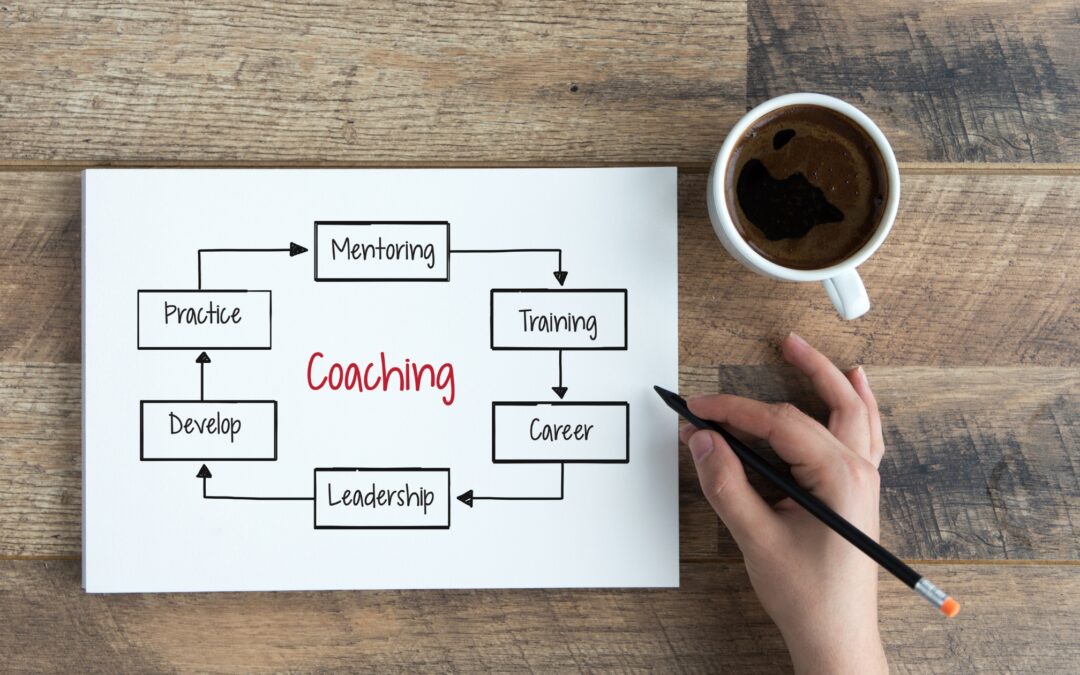
Why Business Coach Certification Matters
In today’s hyper-competitive business environment, entrepreneurs, executives, and small business owners are under more pressure than ever to deliver results. Market disruptions, digital transformation, and evolving workforce expectations mean that leaders must continuously adapt. Yet most business leaders are never formally trained to navigate challenges like scaling operations, developing leadership skills, or maintaining employee engagement.
This is where business coaches make a measurable difference. Business coaches serve as trusted partners who provide structure, clarity, and accountability. They don’t simply offer advice; they guide clients to uncover their own solutions, challenge limiting beliefs, and design strategies that lead to tangible results.
However, not every professional who calls themselves a business coach has the skills or credibility to deliver at the highest level. That’s why pursuing a Business Coach Certification is essential. It sets a coach apart, ensures they’re aligned with industry standards, and equips them with tools proven to drive organizational success.
The Role of a Certified Business Coach
Certified business coaches typically work with leaders and organizations to:
- Strengthen leadership and decision-making skills
- Improve strategic planning and execution
- Enhance communication and interpersonal effectiveness
- Support business growth, whether for startups or established companies
- Develop resilience in times of transition or crisis
Unlike consultants who provide ready-made solutions, coaches help leaders build the internal capacity to solve problems themselves. This distinction matters because it empowers organizations to sustain growth long after the coaching engagement ends.
What Business Coach Certification Provides
A professional certification program gives aspiring coaches more than a title—it provides a framework for success. Through a structured curriculum, coaches learn:
- Core Coaching Competencies
Certification ensures mastery of questioning techniques, active listening, and creating accountability systems.
- Business Acumen
Coaches must understand the mechanics of business—finance, operations, marketing, and HR—to contextualize their support.
- Ethical Standards
Aligning with global bodies like the International Coaching Federation guarantees ethical practice and professional responsibility.
- Mentor Feedback
Real-time feedback from experienced coaches is a cornerstone of strong certification programs.
- Practical Application
Certification programs often require supervised coaching hours, ensuring that coaches graduate with hands-on experience.
Through programs like the Certified Coach Program, participants receive mentorship, peer coaching, and structured guidance that builds confidence and competence.
Why Companies Prefer Certified Coaches
Organizations invest heavily in leadership and development. When choosing a coach, they want someone who can demonstrate credibility and results. Certified coaches provide exactly that. Here are a few reasons businesses prioritize certified coaches:
- Proven Methodology: Certification ensures coaches use evidence-based frameworks.
- Consistency: Companies know what to expect when working with credentialed professionals.
- Accountability: Certified coaches are trained to track and measure progress.
- Risk Reduction: By working with professionals bound by ethical standards, companies minimize risks.
Simply put, certification reduces uncertainty. It reassures executives that they’re investing in a partner who is both competent and professional.
Career Benefits of Certification
From a coach’s perspective, certification offers multiple advantages:
- Market Differentiation: In a crowded coaching market, certification sets you apart.
- Higher Earning Potential: Certified coaches can command higher fees and attract corporate clients.
- Networking Opportunities: Many programs connect students with alumni, mentors, and professional networks.
- Confidence and Skill: Coaches who invest in training are better equipped to handle complex client needs.
Certification also opens doors to partnerships with HR departments, leadership development firms, and corporate training initiatives.
What to Expect in Training
In a program like CTA’s Certified Coach Program, aspiring business coaches can expect:
- Weekly live classes with mentor feedback
- Peer coaching sessions to practice skills
- Business development modules on marketing and client acquisition
- A blend of theory and hands-on coaching experience
This holistic structure ensures graduates are not only strong coaches but also prepared to run a profitable coaching business.
Real-World Applications of Business Coaching
Certified business coaches can apply their skills in various settings:
- Entrepreneurs: Helping founders design growth strategies while maintaining balance.
- Corporate Leaders: Supporting executives through change initiatives or leadership transitions.
- Small Business Owners: Providing clarity around operations, hiring, and client acquisition.
- Nonprofit Leaders: Enhancing board collaboration and mission alignment.
In each scenario, the common thread is equipping leaders with the mindset and tools to succeed.
The Growing Demand for Business Coaches
According to global reports on professional coaching, the coaching industry has been expanding steadily, with business coaching representing a significant portion of demand. Executives are increasingly turning to coaches as trusted partners to navigate uncertainty, boost performance, and sustain growth.
For those looking to enter this thriving field, now is an opportune moment to gain certification. Demand for leadership support is growing, and organizations are actively seeking certified professionals who can deliver results.
External Perspectives
Beyond certification bodies, business publications have noted the rise of coaching as a critical leadership tool. For instance, Forbes regularly features insights from certified coaches, underscoring the credibility and impact of those with professional training.
Such recognition highlights the importance of formal certification in gaining visibility and trust.
Taking the Next Step
If you’re ready to build a career as a trusted advisor to business leaders, pursuing a Business Coach Certification is your first step. Programs like CTA’s Certified Coach Program provide the curriculum, mentorship, and support necessary to launch a successful coaching practice.
By investing in certification, you’ll not only elevate your credibility but also empower leaders to create lasting change in their organizations.
Final Thoughts
Coaching is more than a profession—it’s a partnership that transforms individuals and organizations. With a Business Coach Certification, you can position yourself at the intersection of leadership and growth, making a real impact on companies and communities alike.
The journey begins with proper training. By choosing an accredited program and committing to professional development, you’ll gain the skills, confidence, and recognition to thrive as a certified business coach.

Slide decks don’t change people—experiences do. Yet too many workshops still lean on lecture‑style delivery, leaving participants multitasking behind muted cameras or scrolling their phones at round tables. Workshop facilitation training bridges the gap between information and transformation. When you know how to engineer engagement—through structure, psychology, and purposeful activity—attendees leave with take‑home value instead of just handouts.
Coach Training Alliance’s Workshop‑in‑a‑Box program was built for professionals ready to make that leap. It provides the frameworks, practice, and plug‑and‑play resources to convert expertise into dynamic, revenue‑generating workshops—whether online or on site.
Below, you’ll explore what makes facilitation training distinct, the essential skill sets you’ll develop, and how to turn a single workshop into an evergreen asset for your business or organization.
Why Facilitation Beats Presentation
- Interactive Learning Sticks Longer
Adult learning research shows that participation—asking, doing, reflecting—leads to significantly better retention than passive listening. Good facilitation embeds hands‑on elements every few minutes, ensuring concepts land and linger.
- Psychological Safety Sparks Insight
When participants feel safe to contribute, they surface real challenges and co‑create solutions. A skilled facilitator designs the environment so everyone feels seen, not judged.
- Collective Intelligence Scales
In a room of 20, you don’t have one expert—you have 21. Effective facilitation harnesses that shared wisdom, producing richer outcomes than any single speaker could.
- Reputation and Revenue Grow Together
Workshops that energize and equip people generate referrals, repeat bookings, and a deeper authority footprint in your niche.
Core Elements of High‑Impact Workshop Facilitation Training
1. Learning Experience Design
You’ll map clear outcomes, chunk content into digestible segments, and choose activity formats (case studies, role plays, quick polls) that match each objective.
2. Facilitation Mechanics
Beyond icebreakers and whiteboards, you’ll master pacing, questioning techniques, and the subtle art of reading a room—virtual or physical—so you can pivot instantly when energy dips.
3. Engagement Tools
From virtual breakout rooms and digital sticky notes to analog index‑card sprints, you’ll assemble a toolkit that keeps every participant active and accountable.
4. Debriefing and Integration
A well‑run debrief cements learning, turning “That was interesting” into “Here’s what I’ll do Monday.” You’ll learn concise, reflective structures that drive real‑world application.
5. Workshop Economics
Great facilitation loses value if pricing, marketing, or licensing models are an afterthought. Robust training covers packaging, promotion, and scalable delivery options.
Inside Workshop‑in‑a‑Box
CTA’s Workshop‑in‑a‑Box is equal parts curriculum and turnkey resource hub. Expect:
- Step‑by‑Step Blueprint – From defining audience pain points to post‑event surveys.
- Facilitator Scripts & Checklists – Confidence boosters that keep you on track while allowing personal flair.
- Template Slide Decks & Handouts – Save hours of design time. Customize and deliver.
- Marketing Assets – Email copy, social media promo snippets, and sales page outlines to help fill seats.
- Live Mentor Sessions – Practice your delivery, receive constructive feedback, and refine on the spot.
Kevin W. Daley, a past participant in CTA seminars, summed up the value of this style of resource‑rich training:
“The reference material and exercises are a fantastic resource.”
That sentiment echoes across graduates who appreciate having professional‑grade assets ready from day one.
Who Benefits Most from Facilitation Training?
- Subject‑matter experts (consultants, coaches, engineers) ready to monetize expertise without one‑to‑one limits.
- HR and L&D professionals who need engaging experiences for onboarding, leadership, or DEI initiatives.
- Nonprofit trainers aiming to stretch budgets by delivering memorable community workshops.
- Entrepreneurs wanting a high‑impact lead magnet or premium offer that builds authority fast.
No prior teaching background is required—just a willingness to learn, practice, and iterate.
A Three‑Act Workshop Model You’ll Master
- Opening the Space
• Establish rapport, clarify learning objectives, co‑create ground rules.
• Use short, momentum‑building activities (two‑minute partner shares, quick polls).
- Deep Dive & Application
• Alternate concise content segments with experiential exercises.
• Encourage peer coaching, scenario practice, or data analysis to cement insights.
- Reflection & Commitment
• Guide participants to distill key takeaways.
• Facilitate action‑planning so each person leaves with a next step and accountability strategy.
Executed properly, a 90‑minute virtual session or full‑day retreat flows without dead air, keeps attention high, and ends with measurable commitments.
Turning One Workshop Into a Business Asset
Repurpose Content
Record sessions, clip micro‑lessons, and repackage into evergreen online courses or freebies that build your email list.
License Your Framework
Organizations pay licensing fees for reproducible workshop kits they can deliver internally. Workshop‑in‑a‑Box shows you how to document processes for easy replication.
Create a Signature Program
String complementary workshops into a multi‑month cohort, corporate academy, or mastermind. The first workshop becomes the gateway to deeper engagements.
Consistency and repeatability transform a single great facilitation into recurring revenue.
Measuring Success Without Tables and Complex Dashboards
- Pulse Polls – Single‑question digital check‑ins before and after sessions to gauge confidence or clarity.
- Action Implementation Rates – Track how many attendees report taking the agreed‑upon next step within two weeks.
- Return Invitations – Repeat bookings are among the strongest indicators a workshop delivered value.
- Anecdotal Wins – Stories of applied learning (e.g., “We used your feedback model in yesterday’s team huddle and cut argument time in half”) resonate in testimonials and sales calls.
Getting Certified and Going Live
- Join Workshop‑in‑a‑Box – Review start dates and commitment requirements.
- Design & Deliver a Pilot Session – Start small: 8–12 peers or a volunteer group. Iterate fast.
- Collect Feedback – Ask three questions: What landed? What confused? What will you use tomorrow?
- Refine & Price – Adjust flow, visuals, and interactivity. Then set a market‑aligned rate.
- Scale – Reach out to associations, HR directors, and community groups who need exactly what you just nailed.
The Future of Facilitation
Hybrid work isn’t going anywhere, nor is the demand for learning experiences that cut through screen fatigue. Organizations will prioritize facilitators who can hold attention, spark collaboration, and deliver tangible ROI—whether attendees sit in a conference room or in five countries across three time zones.
Certification proves you have that capability, and programs like Workshop‑in‑a‑Box ensure you’re not starting from scratch.
Ready to Transform Your Expertise Into Engaging Workshops?
Take a deeper look at Workshop‑in‑a‑Box from Coach Training Alliance. It’s designed to move you from idea to impact—complete with scripts, templates, and live feedback—so your next workshop leaves participants asking, “When’s the sequel?”
Explore the program and upcoming start dates here:
Workshop‑in‑a‑Box – Coach Training Alliance
When your facilitation engages minds and sparks action, you don’t just share knowledge—you shape futures. A robust workshop facilitation training program is the catalyst.

The difference between a performer who breaks personal records and one who plateaus is rarely talent. Most of the time the gap is invisible, hiding in self‑talk, emotional triggers, and protective habits learned over decades. Coaches who specialize in mindset know that rewiring those inner scripts can turn stalled potential into measurable progress—whether the client is a sprinter, a sales director, or a parent juggling remote work and family chaos.
If that idea sparks something in you, earning a mindset coach certification could be your next strategic step. It provides the neuroscience, coaching frameworks, and practice hours you need to guide people beyond the limits of belief into sustainable, self‑directed growth. Coach Training Alliance’s brain‑based intensive—Breaking the Script—is one of the few programs that blends cognitive science with client‑friendly tools, positioning graduates to lead deep transformation conversations from day one.
What Makes Mindset Coaching Different?
- Neuroplasticity at the forefront
Neural pathways can—and do—change with focused attention. A mindset coach shows clients how to harness that plasticity through visualization, micro‑habits, and reframed self‑talk.
- Emotion regulation as a skill
Instead of suppressing feelings, clients learn to label, process, and redirect emotional energy toward purposeful action.
- Belief auditing
Certified mindset coaches walk clients through systematic questioning of long‑held assumptions, turning subconscious barriers into conscious choices.
- Goal stacking
Shifts in thought patterns get paired with small, progressive behaviors, so new beliefs anchor quickly in real‑world wins.
Core Elements of a High‑Quality Mindset Coach Certification
1. Brain‑Based Coaching Models
You’ll study how the amygdala, prefrontal cortex, and dopamine loops contribute to both motivation and avoidance. More importantly, you’ll translate that science into digestible analogies your clients can apply on Monday morning.
### 2. Habit Architecture
By dissecting cue‑routine‑reward cycles, you’ll help clients replace auto‑pilot reactions with intentional responses. Tiny, consistent changes beat grand but short‑lived overhauls every time.
### 3. Language Re‑patterning
Thoughts become words; words become identities. A potent mindset coach certification trains you to catch disempowering language (“I’m terrible at…”) and swap it for growth‑aligned statements that feel authentic rather than forced.
### 4. Data‑Driven Progress Tracking
A mindset shift is intangible—until it isn’t. You’ll learn to co‑design metrics like daily habit streaks, stress‑reduction scores, or confidence ratings so the client can see proof of internal change.
Inside Breaking the Script
Coach Training Alliance designed Breaking the Script for coaches who want advanced tools without drowning in abstract theory. The format:
- Six live, virtual class sessions—each one digs into a neuroscience principle and links it to coaching techniques.
- Peer coaching labs—you’ll practice new methods, receive feedback, and refine your style in real time.
- Audio lessons and worksheets—perfect for applying concepts between sessions with your existing or volunteer clients.
- ICF continuing‑education credits—keeping credentialed coaches on track for renewal while upgrading their skill set.
Graduates consistently highlight how practical the material feels. As Kymberly Johnson (MA, LPCC, PCC) put it after attending CTA seminars, “Powerful, relevant, and exciting material. I have literally spent hours going over the recordings after the sessions.” That depth of application makes the learning stick.
Who Thrives With Mindset Coach Certification?
- Life coaches ready to add neuroscience credibility to their intuitive approach.
- Corporate trainers who see mindset as the real blocker to performance initiatives.
- Health and fitness professionals eager to pair physical training with mental resilience.
- Therapists looking for forward‑focused tools that complement clinical work.
- Athletic coaches determined to give competitors an internal edge.
The common denominator? A fascination with how thoughts drive behavior—and a desire to turn that fascination into structured client outcomes.
A Four‑Phase Framework You’ll Master
- Reveal – Use guided visualization and values inventories to surface unconscious stories.
- Reframe – Introduce cognitive reframing techniques grounded in positive psychology.
- Rehearse – Deploy mental contrasting, implementation intentions, and mini‑habits to wire new pathways.
- Reinforce – Establish accountability systems and neuro‑checkpoints (sleep, nutrition, stress) to maintain momentum.
This framework enables clients to move from insight to integration without slipping back into old grooves when life gets messy.
Building a Practice Around Mindset
### Niche Packaging
Instead of a generic “life coaching” pitch, position your service around concrete outcomes:
- Rebound from burnout in ninety days
- Conquer presentation anxiety for good
- Shift from “manager” to “visionary leader”
### Group Programs
Mindset coaching scales beautifully. Eight‑week cohorts focused on “High‑Performance Habits” or “Confidence for Creatives” can double your revenue per hour compared to one‑to‑one sessions.
### Workshops and Keynotes
Organizations crave mindset shifts during mergers, digital transformations, and DEI initiatives. A mindset coach certification gives you the credibility to deliver neuroscience‑backed trainings that resonate with analytical audiences.
Measuring Success Without Guesswork
- Pre‑ and post‑self‑assessment surveys—confidence, stress, clarity scales.
- Behavior metrics—habit streak trackers, journaling compliance, or daily gratitude entries.
- Performance indicators—sales numbers, project completion rates, personal bests on the track.
When clients see hard data, belief in the process skyrockets—fueling further progress and word‑of‑mouth referrals.
Steps to Your Certification
- Evaluate your goals—Do you want to enhance an existing practice or build one from scratch?
- Review the curriculum—Check CTA’s class schedule, mentor coach bios, and deliverables for Breaking the Script.
- Register and prepare—Set aside time for live sessions and practice labs. Line up volunteer clients if you’re new.
- Apply immediately—Use friends, colleagues, or real clients to test techniques between modules.
- Showcase results—Collect testimonials and outcome data. Leverage social proof to attract paying clients once certified.
Securing a mindset coach certification isn’t just another line on a résumé. It’s a commitment to mastering the inner game—the unseen narrative that dictates outward success. With frameworks rooted in neuroscience and practice‑rich training like CTA’s Breaking the Script, you’ll be ready to help clients rewrite limiting stories, install empowering habits, and pursue goals with new conviction.
The most powerful transformations begin in the mind. Ready to guide them? Explore the program details and upcoming start dates here: Breaking the Script – Coach Training Alliance.

Corporate landscapes are evolving at lightning speed. Market disruptions, hybrid workforces, and rising employee expectations demand agile, people‑centered leadership. Traditional management training alone no longer delivers the adaptability companies need. Enter corporate coaching certification—a structured pathway that equips professionals to guide executives, managers, and teams toward lasting performance and cultural change.
If you’re an HR partner, learning‑and‑development specialist, external consultant, or executive aiming to weave coaching into corporate DNA, earning a certification can amplify your influence and credibility. Coach Training Alliance (CTA) offers two standout options for this mission:
Below, you’ll discover why corporate coaching certification matters, what skills you’ll build, and how CTA’s programs create measurable value for modern organizations.
Why Certification in Corporate Coaching Matters
- Credibility With Leadership Teams
Business leaders often seek proof of competency before bringing in an internal or external coach. Certification demonstrates you’ve mastered evidence‑based models that align with International Coaching Federation (ICF) standards.
- Consistent Coaching Quality
Certified coaches share a common language—core competencies, ethical guidelines, and structured processes—ensuring coaching remains consistent across business units.
- Scalable Cultural Impact
Once leaders experience coaching firsthand, they often become advocates who cascade coaching behaviors down to their teams, magnifying your reach.
- Data‑Backed Results
Structured programs teach you to measure engagement scores, productivity metrics, and leadership effectiveness—translating coaching outcomes into language executives value.
Core Competencies You’ll Build
A robust corporate coaching certification program blends psychology, business acumen, and systemic thinking. Expect to master the following competencies:
1. Systems Diagnostics
- Map stakeholder networks and decision flows.
- Identify cultural drivers, communication bottlenecks, and power dynamics.
2. Executive Presence & Trust Building
- Establish rapport quickly with time‑pressed leaders.
- Ask incisive questions that reveal blind spots without triggering defensiveness.
3. Leadership Behavior Change
- Use 360‑degree feedback tools and strengths‑based frameworks.
- Guide leaders through mindset shifts and habit‑repatterning techniques.
4. Team Facilitation & Alignment
- Lead strategy sessions, feedback workshops, and after‑action reviews.
- Translate organizational goals into clear, shared team objectives.
5. Measurement & ROI Reporting
- Design before‑and‑after assessments.
- Present concise dashboards linking coaching to KPIs such as retention, engagement, and project throughput.
CTA’s Organizational Coaching Program tackles these areas holistically, while Leader as Coach adds hands‑on skills for managers who coach direct reports.
Program Snapshot: Organizational Coaching at CTA
CTA’s Organizational Coaching Program runs virtually, making it accessible across time zones. Key highlights:
- ICF‑Aligned Curriculum – You’ll cover foundational coaching theory plus organization‑level interventions.
- Live Practice Labs – Coach peers around real business challenges, then receive mentor feedback.
- Business Integration – Learn how to pitch coaching to senior leadership and develop ROI metrics.
- Peer Cohort – Build a network of HR leaders, consultants, and executives who share best practices.
Many graduates credit the program for boosting their influence inside HR and unlocking consulting contracts they previously couldn’t land.
Leader as Coach: Empower Your Managers
Managers interact with employees daily—making them powerful catalysts for cultural change. The Leader as Coach program trains supervisors to:
- Replace reactive problem‑solving with curiosity‑driven questioning.
- Run quick, impactful coaching conversations during one‑on‑ones.
- Turn feedback loops into growth opportunities.
- Model emotional intelligence and psychological safety for their teams.
Organizations that embed this manager‑to‑employee coaching approach report higher engagement, faster onboarding, and stronger performance ownership.
Building a Business Case for Corporate Coaching
Executives need more than inspiration—they need numbers. When positioning coaching certifications internally or to client organizations, highlight:
- Cost of Turnover – Coaching that improves manager effectiveness directly reduces attrition costs.
- Employee Engagement ROI – Gallup research ties engaged teams to 21% higher profitability.
- Change Management Success – Coached leaders move teams through transitions more smoothly, reducing downtime.
- Leadership Pipeline Health – Succession planning thrives when emerging leaders receive structured coaching early.
With a certification, you gain frameworks to gather and present these metrics confidently.
Getting Started: Your Action Plan
- Clarify Goals
Decide whether you’ll coach internally, consult externally, or blend both. This shapes your certification path.
- Assess Your Experience
Inventory current skills—facilitation, HR analytics, executive presence—and note gaps where certification training can help.
- Enroll in CTA’s Program
For systemic culture building: choose Organizational Coaching.
For equipping managers: choose Leader as Coach.
Many professionals complete both for a comprehensive toolkit.
- Secure a Pilot Project
Partner with a department or client team to run a three‑ to six‑month coaching engagement. Collect baseline metrics.
- Measure and Share Results
Use engagement surveys, leadership assessments, and business KPIs to showcase tangible wins. Then scale coaching to new teams.
Real‑World Scenarios Where Certified Corporate Coaches Excel
- Post‑Merger Integration – Align culture, processes, and leadership styles.
- Digital Transformation – Help leaders manage resistance, build agile mindsets, and empower self‑organizing teams.
- High‑Growth Start‑ups – Support founders evolving from scrappy operators to strategic leaders.
- Succession Planning – Prepare emerging leaders for future roles through personalized development plans.
The Future of Corporate Coaching
Remote work, AI adoption, and the pace of innovation are accelerating demand for nuanced leadership skills: empathy, adaptability, and collective intelligence. Certified corporate coaches meet that need, guiding leaders to navigate complexity while inspiring performance.
LinkedIn’s Workplace Learning Report consistently ranks coaching and leadership development among top priorities for L&D budgets. Forward‑thinking companies will seek certified professionals who can scale coaching strategies across entire organizations.
A corporate coaching certification is more than a credential. It’s a strategic investment that positions you as a catalyst for organizational resilience and growth. By partnering with programs like CTA’s Organizational Coaching and Leader as Coach, you obtain the tools, practice, and credibility to transform leadership cultures—one coaching conversation at a time.
Ready to elevate your influence? Explore CTA’s certification pathways today:
Because when leaders grow, organizations thrive—and certified coaches light the way.

Great teams aren’t born; they’re built through intentional collaboration, clear communication, and shared accountability. While one‑to‑one coaching sharpens individual performance, Team Coaching Certification equips professional coaches and organizational leaders to cultivate collective success across departments and projects.
Coach Training Alliance (CTA) offers two complementary pathways—its Organizational Coaching Program and Group Mentor Coaching course. Together, they cover the frameworks, live practice, and feedback loops needed to transform any group into a cohesive, results‑driven team.
Why Specialized Team Coaching Skills Matter
Team coaching is distinct from coaching individuals in a group setting. Key differences include:
- Systems Thinking
Teams operate within larger organizational ecosystems. Certified team coaches map stakeholder relationships, culture, decision flows, and resource dependencies to reveal hidden challenges.
- Advanced Facilitation
Managing diverse voices, balancing influence disparities, and encouraging psychological safety require structured dialogue techniques and conflict‑navigation tools.
- Collective Goal Alignment
Team coaches guide groups to shift from personal agendas to unified, measurable objectives everyone owns.
- Progress Measurement
Effective training teaches you to track both quantitative outcomes (KPIs, project milestones) and qualitative shifts (trust, engagement).
Core Competencies Developed Through Certification
A rigorous Team Coaching Certification program addresses five domains:
- Group Assessment & Diagnostics
• Utilize 360‑degree surveys, cultural audits, and observational interviews
• Identify role ambiguity, communication breakdowns, and decision bottlenecks
- Facilitation Mastery
• Apply Liberating Structures and design‑thinking sprints to surface ideas
• Foster inclusive dialogue where every team member is heard
- Conflict Transformation
• Guide teams to treat conflict as a catalyst for innovation, not dysfunction
• Introduce protocols for constructive disagreement and rapid resolution
- Actionable Accountability
• Set clear ownership and timelines for each commitment
• Implement visual boards or digital trackers for real‑time status visibility
- Ethics & Cultural Sensitivity
• Uphold confidentiality in multi‑stakeholder settings
• Respect diverse cultural norms and power dynamics
CTA’s Organizational Coaching Program covers these competencies, while Group Mentor Coaching offers live practice and feedback to hone them.
Professional Advantages of Team Coaching Certification
1. Demonstrable ROI
Team coaching interventions can be linked directly to improved delivery speed, innovation metrics, and engagement scores—data executives care about.
2. Versatile Career Pathways
Certified professionals can:
- Lead internal L&D and change initiatives
- Consult externally with cross‑functional project teams
- Facilitate strategy retreats and agile planning sessions
3. Scaled Impact
Instead of influencing one person at a time, team coaches elevate whole departments—multiplying organizational value.
A Typical Team Coaching Engagement
- Initial Diagnostic
Use surveys and interviews to gauge alignment, trust, and pain points.
- Co‑Creative Session
Facilitate a workshop where the team defines its vision, roles, and norms.
- Implementation Sprint
Guide the group through new rituals—daily stand‑ups, feedback loops, and decision protocols.
- Progress Review
Re‑measure using the same diagnostic tools; refine processes and celebrate wins.
Over time, teams experience shorter project cycles, cleaner handoffs, and improved morale—concrete proof of coaching value.
Selecting the Right Certification Pathway
When vetting programs, look for:
- ICF Alignment: Ensures training meets global coaching standards.
- Mentor Feedback: Live observation and critique accelerate competence.
- Practical Application: Real or simulated team sessions build confidence.
- Business Integration: Guidance on positioning, pricing, and delivering team engagements.
CTA’s organizational and group mentor tracks address each criterion.
Action Plan for Aspiring Team Coaches
- Assess Current Skills
Catalog strengths (e.g., facilitation experience) and gaps (e.g., systems diagnostics).
- Enroll in CTA Programs
Combine Organizational Coaching for theory and Group Mentor Coaching for practice.
- Pilot With a Small Team
Apply new tools, collect baseline metrics, and iterate.
- Track and Communicate Outcomes
Use engagement surveys, project KPIs, and qualitative feedback to demonstrate ROI.
- Expand Reach
Leverage case studies to secure additional departments or external client teams.
The Future of Team Coaching
Hybrid work, complex stakeholder webs, and rapid change make cohesive teamwork more critical—and more challenging—than ever. Certified team coaches can bridge the gaps by fostering psychological safety, clear communication, and collective accountability, giving organizations a competitive edge.
Next Steps
Ready to elevate entire teams? Explore CTA’s Organizational Coaching Program and Group Mentor Coaching to gain the frameworks, mentorship, and real‑world practice you need.
Team Coaching Certification isn’t just another credential; it’s a strategic investment in collective success. When groups work better together, everyone wins.

Organizations often invest heavily in leadership personnel—but simply promoting top performers doesn’t guarantee managerial competence. Many leaders struggle with communication, delegation, cultural alignment, and strategic vision. That’s why leadership development coaching certification is critical: it provides structured training in coaching frameworks, emotional acuity, and adult learning techniques that help leaders lead—and inspire—with intention.
If you’re a coach, HR professional, internal talent partner, or executive leader looking to do more than manage, this certification is your pathway to cultivating impactful leadership across your circles. Coach Training Alliance offers the Leader as Coach program, designed to equip leadership development coaches with the mindset and methodology to uplift teams.
Explore this option via:
👉 Leader as Coach – CTA
What Does Leadership Development Coaching Entail?
Leadership development coaching supports both individual leaders and groups in improving business performance, collaboration, and organizational culture. Unlike classroom training or standard performance reviews, coaching offers:
- Personalized Insight – It helps leaders uncover blind spots and behavioral patterns.
- Applied Learning – Participants apply new leadership concepts in real-time, not just theory.
- Psychological Safety – Coaching fosters genuine reflection and experimentation.
- Peer Accountability – Group settings add shared learning, enrichment, and perspective.
Professionally certified coaches guide leaders through goal-setting, strategic thinking, communications training, accountability structures, and long-term follow-through, creating measurable impact beyond a one-day seminar.
Core Competencies of Leadership Development Coaching Certification
A best-in-class program teaches you to:
1. Diagnose Leadership Challenges
Identify organizational narratives, stakeholder dynamics, cultural misalignments, and individual developmental focus areas.
2. Apply Behavioral Change Methodologies
Use models like conscious leadership and systems thinking to help leaders shift attitudes and re-pattern behaviors.
3. Facilitate Reflection and Awareness
Prompt higher-order thinking through powerful framing questions, reflective practice techniques, and debrief processes.
4. Skill-build in High-stakes Communication
Support leaders through challenging conversations—feedback delivery, conflict navigation, and shift alignment—without escalating tension.
5. Structure Coaching Cycles
Design 360-degree development plans, leadership cohorts, progress tracking, and consistent follow-up that drive change across weeks and months.
This blend of emotional intelligence, systems literacy, and facilitative skill equips you to coach at a level that amplifies both performance and culture.
Why Leader-as-Coach Certification Stands Out
Coach Training Alliance’s Leader as Coach Certification emphasizes:
- ICF-quality Coaching Curriculum – Foundational coaching theory is blended with leadership-specific applications.
- Hybrid Cohort Experience – Virtual learning combines theory, facilitated discussions, and live role-play.
- Cross-Industry Application – Learn from peers in tech, healthcare, nonprofit, manufacturing, and more.
- Practical Toolsets – Sessions on stakeholder mapping, leadership development plans, spectrum coaching, and executive presence.
Graduates report stronger leadership practices and clearer team outcomes because the program connects the practice of coaching to workplace dynamics.
From Certification to Impact
Completing a leadership development coaching certification opens multiple avenues for professional advancement:
Talent and Organizational Development
Consult with HR partners to embed leadership coaching in performance cycles and succession planning.
Internal Coaching Programs
Create peer coaching circles or one-on-one programs to nurture leadership skills across your organization.
Executive Coaching Practice
Apply certification to support C-level leaders with strategic thinking, board engagement, and public presence.
Learning & Development Facilitation
Design and deliver workshops, retreats, and cohorts that blend classroom theory with coaching labs.
Team Coaching Initiatives
Lead intact teams through projects, culture optimization, or change initiatives using psychometric or systems-based tools.
How to Maximize Your Certification
To shift from certification to professional influence:
- Earn coach training credits (e.g., ICF-accredited hours).
- Collect coaching references from peers, team members, or supervisors.
- Start a proof-of-concept cohort to test your leadership coaching approach.
- Monitor performance metrics like manager engagement, retention, and 360 feedback shifts.
- Communicate results to executives with impact dashboards or storytelling formats.
Coaching in a Real-World Context
Imagine guiding a mid-level manager identified for promotion who struggles to delegate. Through coaching, you help them shift from “doer” to “leader,” restructure daily rhythms, and guide their own team more effectively. Over a few months, team productivity improves, engagement rises, and strategic visioning deepens.
These aren’t hypothetical stories—they reflect the kinds of outcomes consistently reported by coaches who deploy the frameworks taught in CTA’s Leader as Coach program.
Ready to Apply Your Coaching Skills to Leadership?
If you’re looking to transform managers into leaders—and teams into high-performing units—the next step is to explore Leader as Coach:
👉 Coach Training Alliance – Leader as Coach
Check the curriculum, cohort structure, and mentor profiles. From there, define how you’ll integrate leadership coaching into your workflow—without needing to launch a private practice right away.
Final Takeaway
Growing leaders isn’t easy—it requires skill, strategy, and emotional dexterity. A leadership development coaching certification equips you with the tools to create scalable, transformative impact. By pairing coaching with leadership insight, you ensure that your work lifts individuals, culture, and organizational performance all at once.
When you’re ready, explore CTA’s Leader as Coach program and step into the space where leadership and coaching meet—and where true influence happens.

Helping people build healthier, stronger, and more meaningful relationships is a calling for many. If you’re someone who thrives on connection, empathy, and guiding others through life transitions, becoming a certified relationship coach might be the perfect path. In this blog, we’ll break down what relationship coach certification is, how to pursue it, and how Coach Training Alliance helps future coaches thrive.
What Is a Relationship Coach?
A relationship coach works with individuals, couples, or groups to improve interpersonal dynamics. This could include romantic relationships, family ties, friendships, or even workplace interactions. Unlike therapists, relationship coaches don’t diagnose or treat mental health conditions. Instead, they focus on forward-looking strategies to help clients achieve healthier communication, clearer boundaries, and more fulfilling connections.
Some areas a relationship coach might specialize in:
- Helping couples navigate conflict resolution and intimacy challenges
- Supporting individuals through breakups or divorce
- Improving family dynamics or parenting strategies
- Coaching professionals on emotional intelligence in the workplace
Why Get Certified?
While coaching isn’t a regulated industry, certification provides credibility, structure, and essential skills. Clients want to know they’re working with someone who has received formal training. Certification also opens doors to networking opportunities, peer support, and potential clients through directories and partnerships.
A certification in relationship coaching proves that you’ve:
- Mastered core coaching competencies
- Understand the nuances of human connection
- Gained tools for navigating sensitive, emotionally charged situations
- Learned how to build a thriving coaching practice
Stand Out with Coach Training Alliance
Coach Training Alliance (CTA) offers a program that uniquely prepares coaches for life transitions, relationship shifts, and meaningful transformation. Their Art & Science of Coaching Transitions and Life Changes course is especially valuable for aspiring relationship coaches.
Here’s what sets CTA apart:
- ICF-approved curriculum: Build a foundation of coaching skills aligned with global standards.
- Flexible virtual format: Designed for busy professionals with live interactive classes and hands-on practice.
- Experienced instructors: Learn from seasoned coaches who bring real-world insights.
- Practical outcomes: Get trained not only in how to coach but how to build a sustainable coaching business.
What You’ll Learn in a Relationship Coach Certification Program
Training isn’t just about theories. It’s about skill-building. CTA’s program blends science and heart, teaching you how to:
- Use frameworks for deep listening and intuitive questioning
- Help clients shift their limiting beliefs
- Develop co-creative strategies for resolving conflict
- Support clients through relationship beginnings, endings, and transitions
- Maintain ethical boundaries and trust with clients
Expect to practice your skills through peer coaching, receive direct feedback, and reflect on your own relationship patterns and strengths.
Who Should Become a Relationship Coach?
You don’t need a background in psychology to excel in this field. In fact, many successful relationship coaches come from diverse professions like teaching, business, HR, social work, or even hospitality. The common thread? A deep desire to help others grow.
Consider this path if you:
- Are a natural listener who people confide in
- Want to create impact through emotional support
- Value personal development and growth
- Are looking for a flexible career that aligns with your values
Testimonials from Real Graduates
“This program has opened up a new season of life for me by giving me tools, ideas, experience and top-of-the-line training to start a new career.” — Letitia Suk
“I got to experience many different styles of coaching and gained the confidence to achieve an amazing level of coaching mastery within a very short period of time.” — Sarah Kirkish
“This course provided a template for having productive conversations which built trust and made possible a real exchange of ideas.” — CEO, Coaching Graduate
These aren’t just feel-good stories. They show what’s possible with the right training, structure, and commitment.
Launching Your Coaching Career
Relationship coaching is a dynamic and evolving field. With certification, you can:
- Launch your own private coaching practice
- Work for an organization, school, or coaching platform
- Offer online group coaching, workshops, or retreats
- Write or speak about healthy relationship skills
You’ll also join a growing global movement of coaches committed to emotional wellness, improved communication, and human connection.
Take the First Step
If you’re ready to turn your passion for helping others into a fulfilling profession, explore the Art & Science of Coaching Transitions and Life Changes program at Coach Training Alliance.
The work you do can change lives—starting with your own.

Around the world, leaders and professionals are increasingly aware that IQ alone doesn’t drive success—it’s emotional intelligence (EI) that often makes the real difference. The ability to recognize, understand, and manage emotions in oneself and others is a crucial skill, yet many struggle to develop it effectively. That’s where Emotional Intelligence Coaching Certification comes in, offering coaches and leaders a structured way to deepen EI, foster meaningful change, and drive real-world results.
In this article, we explore why this certification matters, what it entails, and how it aligns with organizations like Coach Training Alliance to build powerful coaching practices.
Why Emotional Intelligence (EI) Coaching Certification Matters
Emotional intelligence isn’t a flair—it’s a foundational skill. EI encompasses self-awareness, self-regulation, empathy, and social fluency—each of which significantly affects performance. Studies suggest that up to 90% of the competencies required for leadership are rooted in emotional intelligence luisazhou.com+7simply.coach+7coachtrainingalliance.com+7.
An Emotional Intelligence Coaching Certification teaches coaches how to:
- Measure clients’ EI using tools like MSCEIT or 360-degree surveys
- Use EI insights to shape coaching goals and strategies
- Help clients strengthen emotional competencies like resilience and conflict management
When coach and client focus grows beyond intellectual goals to emotional alignment, breakthroughs happen faster—and stick longer. Research shows that behavior change is most effective when both thinking and feeling are involved en.wikipedia.org+2en.wikipedia.org+2en.wikipedia.org+2.
Core Competencies of an EI Coaching Certification
To mobilize emotional intelligence in coaching relationships, certification programs typically include five key domains:
1. Understanding EI Models and Assessment Tools
You’ll explore Goleman’s mixed model (self-awareness, empathy, relationship management) and ability models like MSCEIT–understanding what they measure and when to use each evecoachingconsulting.com+15en.wikipedia.org+15coachtrainingalliance.com+15.
2. Interpreting EI Assessment Results
Learn how to turn quantitative and qualitative EI data into readable coaching strengths-and-challenges reports for your clients.
3. Customized Coaching Strategies
Develop protocols for enhancing emotional regulation, improving communication, resolving conflict, and building career resilience through targeted exercises.
4. Coaching Practice and Feedback
You’ll engage in real or simulated coaching sessions using empathy, active listening, and reflective inquiry to support emotional habits in your clients—then refine your approach based on mentor feedback en.wikipedia.org.
5. Accountability and Sustainability
Beyond one-time insight: certified EI coaches guide clients to create behavior tracking systems, accountability partnerships, and follow-up routines that embed new emotional skills into daily life.
Measuring Impact: Why EI Coaching Works
Organizations with strong EI competencies report higher employee engagement, better customer satisfaction, and improved bottom-line performance evecoachingconsulting.com. Individually, coaching yields benefits like:
- Better stress control and resilience
- Enhanced team collaboration
- Sharper leadership decision-making
- Stronger workplace relationships
Being an Emotional Intelligence Coach uniquely positions you to support these changes—helping leaders grow emotionally as they oversee teams, navigate conflict, and manage pressure.
Coach Training Alliance’s Alignment with EI Coaching
Although Coach Training Alliance doesn’t currently offer a stand-alone EI Coaching Certification, its Co‑Creative Leadership program is rich in EI content and structure.
This program trains coaches in:
- Systemic listening and self-awareness
- Designing emotionally intelligent leadership practices
- Facilitating co-creative, courageous team dialogues—built on emotional clarity, empathy, and inclusion
Find out more about this pathway here:
Co‑Creative Leadership Program – CTA
CTA also offers companion resources, like Coach Training Tools & Resources, that help integrate EI practices into every coaching engagement coachtrainingalliance.com+13coachtrainingalliance.com+13simply.coach+13coachtrainingalliance.com+6teachfloor.com+6evecoachingconsulting.com+6en.wikipedia.org+5professional.dce.harvard.edu+5en.wikipedia.org+5symbiosiscoaching.com+1evecoachingconsulting.com+1luisazhou.comprofessional.dce.harvard.edu+2evecoachingconsulting.com+2en.wikipedia.org+2.
What to Look for When Choosing an EI Coaching Certification
If you’re exploring other Emotional Intelligence Coaching options, consider programs that offer:
- ICF-aligned structure and mentor coaching hours
- Access to recognized EI instruments like MSCEIT or EQ-i 2.0
- Meaningful case study or practicum requirements
- Leadership/organizational context for emotionally impactful coaching
Examples include Six Seconds’ EQ Coach Certification and transformation academies—but choose one whose ethos aligns with real-world application and ongoing integration en.wikipedia.org+3en.wikipedia.org+3en.wikipedia.org+3simply.coach+2paperbell.com+2luisazhou.com+2.
How EI Certification Builds a Coaching Practice
Here are proven ways that an EI coaching certification supports your professional growth:
1. Position as a Niche Expert
Companies and leaders actively seek coaches who diagnose and develop emotional intelligence — position yourself at the center of a growing demand.
2. Unlock High-Impact Services
EI coaches facilitate emotional agility workshops, leadership retreats, and coaching modules that support everything from onboarding to conflict resolution.
3. Enhance Client Loyalty
Clients who feel understood and deeply supported emotionally are more likely to continue coaching and recommend your services.
4. Expand Your Reach
EI certification sets you up to deliver group programs for managers, corporate teams, and organizations—with measurable outcomes.
What Would an EI Certification Journey Look Like?
A high-quality program in Emotional Intelligence Coaching includes:
- 50–100 learning hours
- 10–15 mentor coaching hours
- Case-based practice and demonstration
- Access to EI assessment tools
- Business development modules
CTA’s Leadership track offers a powerful EI foundation—and when paired with Certified Coach Program, it provides a robust route to EI coaching mastery.
Ready to Coach With Heart and Clarity?
If you’re drawn to leadership coaching or spiritual coaching grounded in empathy and emotional seeing, a certification in Emotional Intelligence Coaching could be a powerful next step.
Start with the Co‑Creative Leadership Program here:
🔗 Explore the program
From there, you can pursue additional certification and tools to build a coaching practice rooted in emotional intelligence—and stay relevant in evolving leadership environments.
In Summary
Emotional intelligence isn’t a buzzword—it’s a measurable skillset that unlocks performance, resilience, and deeper connection. A dedicated EI Coaching Certification blends assessment data, reflective frameworks, and skill formation—creating certified professionals who can elevate leaders, teams, and organizations for long-term success.
If you’re interested in coaching with a deeper emotional foundation, explore how Coach Training Alliance’s leadership pathways can bring emotional alchemy into your coaching practice.

Not all side hustles are created equal.
Some feel like hamster wheels, paying just enough to keep you coming back but never giving you room to grow. Others sound promising on the surface but turn into time-sucking distractions. Then there are the side hustles that not only make money — they help you build a future.
Becoming a certified coach falls squarely into that last category.
While millions are dabbling in dropshipping, gig apps, and social media content creation, coaching is quietly becoming one of the most rewarding — and sustainable — side hustles out there. And it’s not just a short-term opportunity. It’s a gateway into a purpose-driven career that scales with you.
Let’s break down what makes a side hustle truly work, and why coaching deserves serious attention if you’re ready for something more meaningful.
What Makes a Side Hustle Worthwhile?
Before diving into specific options, let’s define what we mean by a side hustle that actually works. Here are the key criteria:
- Low Barrier to Entry – You don’t need a trust fund or 10 years of experience to get started.
- Flexible Schedule – You can work evenings, weekends, or any time that fits your life.
- Growth Potential – Your effort pays off over time, not just in a single payout.
- Real Fulfillment – It’s more than just money. It feels aligned with who you are.
Coaching checks all of these boxes — and then some.
Why Coaching Works as a Side Hustle
Coaching is no longer a niche career reserved for executives. It’s now a powerful tool for helping people navigate life transitions, build businesses, manage stress, or grow as leaders. And demand is growing — fast.
Here’s why coaching stands out:
- Scalable Income
Start with a few clients per month. Grow to a full-time practice. The sky’s the limit once you’ve built trust and results.
- Meaningful Work
You’re not just delivering a product or service. You’re helping people change their lives.
- No Inventory or Delivery Required
You don’t need to warehouse anything, ship boxes, or answer customer service emails at midnight.
- Your Experience Matters
Whether you’re a parent, teacher, team lead, therapist, or entrepreneur — you already have insights that can help others.
Real People, Real Results
“By the time the course was complete I already had 17 paying clients. What a boost to my confidence!”
— Ray Brejcha
“I set a goal of ‘selling 30 hours of pure coaching in the first year after this program.’ I did it in a month.”
— Partner, Coaching Graduate
“I have come full circle and cannot wait to get started.”
— Lisa Manyoky
These aren’t overnight success stories. They’re the result of people who chose a high-quality certification, put in the work, and turned their coaching side hustle into a career.
Want to explore if it’s right for you? Start with the Coach Training Alliance quiz — it’ll give you a solid sense of whether coaching is a natural fit for your goals and strengths.
Let’s Compare: Other Common Side Hustles
To put things in perspective, here’s how coaching compares to other popular side hustles:
Dropshipping
- Time Investment: High (especially at the start)
- Startup Cost: Medium
- Long-Term Growth: Low to Medium
- Fulfillment: Low
- Risk: High — margins are thin, competition is brutal
Gig Economy Apps (Uber, DoorDash)
- Time Investment: High
- Startup Cost: Low
- Long-Term Growth: Very Low
- Fulfillment: Low — great for cash, not for purpose
Freelance Writing
- Time Investment: Medium to High
- Startup Cost: Low
- Long-Term Growth: Medium
- Fulfillment: Variable — depends on clients and topic interest
Coaching
- Time Investment: Medium
- Startup Cost: Low to Medium
- Long-Term Growth: High
- Fulfillment: Extremely High
When you coach, your work builds relationships, confidence, and impact. You’re investing in skills that make a real difference — not just hustling for the next $10 tip.
How to Start Coaching on the Side
Getting started is easier than you might think — and you don’t need a psychology degree or 10,000 Instagram followers.
One of the most trusted ways to become a certified coach is through the Coach Training Alliance. Their programs are designed for real people with busy lives who want to make coaching a serious part of their future.
Here’s what you can expect:
- 100% Virtual Format – Attend from anywhere, on your schedule.
- Mentorship & Practice – Get hands-on experience and personalized feedback.
- ICF Accreditation – Earn credentials that are respected across the coaching world.
- Business Building Tools – Learn not just how to coach — but how to get clients, set pricing, and run your business.
Many students start seeing paying clients even before the program ends.
Is Coaching the Right Side Hustle for You?
If you’re someone who:
- Enjoys listening and helping others grow
- Wants to earn income doing something that matters
- Is willing to invest time in learning and development
- Craves flexibility and autonomy in your schedule
… then coaching could be more than a side hustle. It might be your next big move.
Take the free quiz from Coach Training Alliance to find out if coaching is your calling. No pressure — just honest insight.
Final Thoughts
Side hustles should work — not just for your wallet, but for your life.
Coaching gives you the rare opportunity to grow personally, build a business, and help others transform. That’s more than a gig. That’s a legacy.
So if you’re ready to stop chasing side hustles that leave you burned out and start building something real, start with the Coach Training Alliance quiz and explore what’s possible.
You don’t need to go all-in today. But you can take the first step.
Let me know if you’d like a second version or want to rework this for a specific promotion!

The sudden shift to remote work and distributed teams has accelerated the need for skilled virtual facilitators. Traditional training methods no longer suffice when participants span time zones, cultures, and home office setups. A Virtual Facilitation Certification trains you not only to transfer in‑person workshop skills online but also to leverage digital tools, sustain engagement, and ensure learning sticks.
Why Virtual Facilitation Deserves Its Own Credential
Moving a live training into a video call isn’t enough. Virtual facilitation demands new competencies:
- Technical fluency: You must smoothly manage platforms (Zoom, MS Teams, Mural) so technology amplifies rather than hinders learning.
- Digital presence: Without physical cues, your voice, pace, and on‑screen demeanor carry more weight.
- Interactive design: Online attention spans are shorter—sessions require frequent polls, breakout discussions, and micro‑activities.
- Safe space creation: Virtual rooms can feel impersonal. Facilitators must build psychological safety swiftly, countering isolation and “Zoom fatigue.”
Earning a Virtual Facilitation Certification means you’ve practiced these skills in realistic settings, received expert feedback, and can confidently guide any group—whether five or fifty—toward meaningful outcomes.
Core Competencies of Virtual Facilitation
A robust certification program develops the following capabilities:
1. Platform Mastery
- Advanced Features: Breakout rooms, whiteboards, polling, chat management
- Troubleshooting: Handling connection issues, audio glitches, and participant onboarding
2. Engaging Online Design
- Chunked Learning: Break content into 5–10 minute segments with varied activity types
- Multimodal Interactions: Combine visuals, audio, text, and hands‑on exercises to appeal to different learning styles
3. Virtual Group Dynamics
- Icebreakers for Remote Teams: Quick activities that spark connection despite physical distance
- Conflict Navigation: Reading digital body language and facilitating respectful disagreement
4. Presence and Energy Management
- Vocal Variety: Using tone, volume, and pacing to maintain interest
- Nonverbal Signals: Gestures, facial expressions, and positioning on camera
5. Measurement and Follow‑Through
- Digital Feedback Tools: Real‑time polls, reaction emojis, and post‑session surveys
- Action Pathways: Digital worksheets, online accountability groups, and follow‑up calls
Choosing the Right Certification Path
Not all virtual facilitation credentials are created equal. When evaluating programs, consider:
- Real‑World Labs: Look for cohort programs that simulate 60–90 minute online workshops where you alternate roles as facilitator and participant.
- Mentor Observation: The best certificates include live mentor coaching—receiving feedback as you manage a live session.
- Tool Agnosticism: You should learn principles that apply across platforms, not vendor‑locked tricks.
- Ethical Guidelines: Managing recordings, privacy, and data security are critical in virtual spaces.
Coach Training Alliance embeds these elements across its offerings. While many of their programs are delivered online—such as the Certified Coach Program—they also provide standalone modules and toolkits designed specifically for virtual facilitation. You can explore the full suite of options on the Programs page.
Integrating Certification into Your Work
Once certified in virtual facilitation, you can:
- Revamp Existing Workshops: Transform in‑person session plans into high‑impact online experiences using micro‑activities and digital collaboration boards.
- Build Hybrid Learning Paths: Combine self‑paced e‑learning with live virtual check‑ins and in‑person intensives for maximum flexibility.
- Offer Remote Coaching Cohorts: Lead groups through multi‑week programs, leveraging digital tools to track progress and deepen connection.
- Consult on Virtual Learning Strategy: Advise organizations on selecting platforms, creating engagement standards, and training internal trainers.
The Business Case for Virtual Facilitation
Investing in certification delivers measurable returns:
- Wider Reach: Eliminate travel costs and schedule constraints—facilitate global audiences without leaving home.
- Higher Completion Rates: Well‑designed online sessions see completion rates up to 90%, compared to 60% for self‑paced e‑learning alone.
- Scalable Revenue Streams: Record templates and toolkits once, then license them to other facilitators or organizations.
Companies that mastered virtual facilitation in the past year report 50% faster rollout of new programs and 30% higher learner satisfaction compared to pre‑pandemic offerings.
Getting Started
Virtual facilitation isn’t a one‑off skill—it evolves as platforms and learner expectations shift. To begin:
- Audit Your Tech: List your current tools and identify gaps (e.g., lack of polling software, weak internet backup).
- Pilot Sessions: Host short peer workshops to test new facilitation techniques and gather feedback.
- Seek Mentorship: Join a cohort where experienced virtual facilitators coach you in real time.
- Commit to Lifelong Learning: Track industry blogs, attend masterclasses, and experiment with emerging technologies like spatial audio or VR collaboration spaces.
Explore formal certification routes and toolkits on the CTA Programs page, then chart your path to becoming a sought‑after virtual facilitator.
Becoming a certified virtual facilitator prepares you to lead engaging, effective learning experiences—in any setting, with any size audience. As remote work and hybrid models persist, these skills will remain in high demand, ensuring your relevance and impact for years to come.

As the coaching profession matures, the need for structured supervision and mentorship becomes paramount. Coaches who excel not only possess strong one‑on‑one skills but also the ability to guide, observe, and develop fellow coaches. A Group Mentor Coaching Certification equips you with the frameworks, competencies, and ethical guidelines to provide high‑quality mentor coaching in group settings. Whether you’re an experienced coach seeking to scale your impact or a training manager building an internal mentor program, formal certification ensures your guidance meets industry standards.
Why Group Mentor Coaching Certification Matters
Mentor coaching goes beyond traditional coaching by focusing on professional development within a community of peers. Key advantages of earning a Group Mentor Coaching Certification include:
- Standardized Supervision Practices: You’ll learn evidence‑based models for group supervision that align with International Coaching Federation (ICF) requirements and best practices.
- Enhanced Coaching Quality: By providing structured feedback and fostering reflective dialogue, you elevate the skills of multiple coaches at once.
- Scalable Impact: Group mentor coaches can reach more practitioners simultaneously, building collective competence across an organization or training cohort.
- Ethical and Professional Integrity: Certification programs reinforce ethical standards and confidentiality protocols essential to group supervision.
As organizations invest in internal coaching capabilities, certified group mentor coaches become a strategic asset—driving consistent excellence and helping novice coaches transition into mastery.
Core Competencies of a Group Mentor Coaching Certification
A comprehensive certification program develops five core competencies required for effective group mentor coaching:
1. Understanding Group Dynamics
- Systems Thinking: Recognize how individual behaviors, team norms, and organizational culture interact.
- Stages of Group Development: Apply models such as Tuckman’s phases (forming, storming, norming, performing) to structure supervision sessions.
2. Advanced Observation and Feedback Skills
- ICF Core Competencies Alignment: Use standardized rubrics to assess coaching demo sessions.
- Constructive Feedback Techniques: Deliver balanced, actionable feedback that promotes growth without diminishing confidence.
3. Ethical and Confidentiality Protocols
- Informed Consent: Ensure all participants understand the purpose, process, and boundaries of mentor coaching.
- Data Privacy: Implement strategies to protect personal and client information within the group setting.
4. Facilitation and Reflective Inquiry
- Powerful Questioning: Guide coaches to self‑discovery through open, thought‑provoking questions.
- Reflective Practice Models: Teach frameworks like Gibbs’ Reflective Cycle to help coaches analyze their sessions critically.
5. Creating a Learning‑Rich Environment
- Peer Learning Structures: Design activities—such as dyad rotations, fishbowl coaching, and case‑study analysis—that leverage collective wisdom.
- Action Planning: Help coaches set development goals and accountability markers to track progress beyond the workshop.
The Coach Training Alliance Group Mentor Coaching Program
Coach Training Alliance’s Group Mentor Coaching program is a flagship pathway to Group Mentor Coaching Certification. Designed for both independent coaches and organizational leaders, the program offers:
- Structured Cohorts: Small group cohorts led by seasoned mentor coaches, ensuring personalized attention.
- Live Supervision Sessions: Real‑time observations of coaching demonstrations, followed by guided feedback.
- ICF Alignment: Meets ICF’s mentor coaching hours requirement for ACC and PCC credentialing.
- Practical Tools: Access to evaluation rubrics, session templates, and reflective journals.
- Community Support: A peer community that continues to share insights and best practices long after certification.
Graduates consistently praise the program’s balanced blend of theory and hands‑on practice:
“This program provided a template for having productive conversations which built trust and made possible a real exchange of ideas… [The skills I developed] make it easier to identify blocks and overcome them more quickly.”
— CEO
How Certification Enhances Your Coaching Career
Earning a Group Mentor Coaching Certification catalyzes professional growth in several ways:
Elevate Your Credibility
Organizations and clients recognize certified mentor coaches as experts in both coaching and supervision. This credibility often leads to invitations to design and lead internal mentoring initiatives or to speak at industry conferences.
Expand Your Service Offerings
In addition to one‑on‑one coaching, you can add group supervision packages—an attractive upsell for corporate clients and coaching schools seeking to meet accreditation requirements.
Deepen Your Reflective Practice
By stepping into the role of observer and guide, you refine your own coaching skills. The reflective processes you facilitate for others mirror your self‑improvement journey.
Build Collaborative Networks
Group mentor coaching cohorts foster relationships among coaches who become lifelong collaborators and referral partners.
Integrating Group Mentor Coaching into Organizations
Internal talent development and L&D teams can leverage certified group mentor coaches to:
- Accelerate Onboarding: New internal coaches receive structured supervision, reducing time to proficiency.
- Maintain Quality Standards: Regular mentor coaching sessions ensure that internal coaches continue to adhere to organizational coaching frameworks.
- Cultivate Coaching Culture: Embedding mentor coaching signals that the organization values continuous professional development.
- Support Employee Engagement: Coaches who feel supported are more likely to stay and contribute to a culture of learning.
Case Study: Scaling Coaching Excellence
A global technology firm launched an internal coach certification track. To ensure quality and scalability, they engaged a CTA‑certified group mentor coach to:
- Observe monthly coaching circles with rising internal coaches.
- Provide structured feedback based on ICF competencies.
- Facilitate peer‑to‑peer supervision exercises.
Within six months, the organization saw a 30% increase in coaching session effectiveness (as measured by participant satisfaction) and a 25% reduction in time to full internal coach certification.
Next Steps to Certification
If you’re ready to become a catalyst for coaching excellence, follow these steps:
- Assess Your Readiness: Review ICF mentor coaching requirements and your accumulated coaching hours.
- Explore the Program Details: Visit the Group Mentor Coaching page for curriculum and schedule information.
- Enroll and Engage: Register for the next cohort and commit to the mentorship journey.
- Apply and Reflect: Conduct real coaching observations, deliver mentor feedback, and refine your supervision style.
Conclusion
A Group Mentor Coaching Certification is more than a credential—it’s a commitment to fostering excellence across the coaching profession. By mastering group supervision techniques, ethical practices, and reflective inquiry, you position yourself as an indispensable resource for organizations and coaching school alumni alike. Embrace the opportunity to guide fellow coaches toward mastery, and build a legacy of quality, consistency, and growth in the world of professional coaching.

As personal finance decisions grow more complex and economic uncertainty becomes the norm, the demand for skilled financial coaches has never been higher. A Financial Coach Certification equips you with the expertise to help clients overcome money blocks, establish healthy financial habits, and achieve long‑term stability. Whether you’re a seasoned coach seeking a niche or a finance professional pivoting to personal development, formal certification provides both credibility and a proven framework to transform lives.
Why Financial Coaching Matters
Traditional financial advice often focuses on numbers: budgets, investments, and tax strategies. While these are critical, real financial transformation requires addressing emotional and behavioral aspects of money. A certified financial coach:
- Builds Trust: Creates a non‑judgmental space where clients feel safe to discuss fears, habits, and goals.
- Addresses Mindset: Helps clients identify limiting beliefs—like “I’m bad with money”—that sabotage progress.
- Establishes Accountability: Guides clients in setting realistic milestones and celebrates incremental wins.
- Fosters Sustainable Habits: Teaches systems for budgeting, saving, and spending that align with clients’ values.
According to a Public Personnel Management Journal study, managers who received coaching following training saw an 88% increase in productivity—versus 22% with training alone. Financial coaching blends practical strategies with mindset shifts, delivering a powerful one‑two punch for lasting change.
What Is Financial Coach Certification?
A Financial Coach Certification is a specialized program that trains coaches in:
- Behavioral Finance Principles
Understanding how cognitive biases—like loss aversion or the sunk cost fallacy—influence money decisions.
- Coaching Methodologies
Applying active listening, powerful questioning, and goal‑setting frameworks to money conversations.
- Financial Fundamentals
Covering budgeting, debt reduction, emergency funds, and basic investment concepts—enough to guide, not to counsel.
- Ethical Practice and Boundaries
Defining clear roles between coaching (facilitating insight) and financial advising (prescribing products).
- Business Development
Marketing your niche, pricing packages, and creating scalable delivery models like group programs or digital courses.
Through a blend of theory, practice labs, and mentor coaching, certification programs ensure you graduate ready to address both emotional and technical facets of money management.
Key Components of a Strong Certification Program
When evaluating a Financial Coach Certification program, look for these critical elements:
1. Accredited Curriculum
Ensure the training meets standards set by reputable bodies. While the International Coaching Federation (ICF) focuses on general coaching competencies, some programs partner with financial education organizations to validate their money‑specific content.
2. Behavior Change Frameworks
Programs should teach models like the Transtheoretical Model of Change or Habit Loop (cue–routine–reward), giving you tools to guide clients through stages of financial transformation.
3. Practical Coaching Practice
Look for opportunities to coach real or simulated clients, receive feedback from experienced mentors, and refine your approach before going to market.
4. Business and Marketing Support
Top certifications include modules on defining your financial coaching niche, crafting a magnetic brand, and attracting clients through content, partnerships, and referrals.
5. Community and Continuing Education
A vibrant alumni network and ongoing workshops ensure you stay current with tax law changes, fintech innovations, and evolving coaching techniques.
Coach Training Alliance’s Money Mastery Program
For coaches seeking a comprehensive path, Coach Training Alliance’s Money Mastery program offers a structured Financial Coach Certification that balances emotional intelligence with practical money skills. Key features include:
- Behavioral Finance Deep‑Dive: Understand the psychology behind spending, saving, and investing decisions.
- Coaching Labs: Practice sessions where you guide peers through real‑life money challenges, with instant mentor feedback.
- Client Tools: Ready‑to‑use worksheets, budgeting templates, and habit trackers designed to accelerate client progress.
- Business Blueprint: Step‑by‑step guidance to package your services—one‑on‑one, group coaching, and digital courses.
- CORE CCE Credits: Earn continuing education units recognized by coaching associations.
Participants often praise the program’s seamless integration of heart and science:
“Powerful, relevant, and exciting material. I have literally spent hours going over the recordings after the seminars.”
— Kymberly Johnson MA, LPCC, PCC
Crafting Your Financial Coaching Niche
The financial coaching space is broad. To stand out, consider specializing in one of these high‑demand areas:
- Debt Elimination Coaching: Help clients design custom debt‑payoff plans, using strategies like the snowball and avalanche methods.
- Money Mindset Coaching: Guide clients through mindset shifts, overcoming scarcity thinking, and building abundance habits.
- Wealth‑Building Coaching: Support millennials or mid‑career professionals in establishing investment strategies and passive income streams.
- Transition Coaching: Assist clients navigating major life events—divorce, retirement, career changes—with a financial lens.
- Business Owner Coaching: Work with entrepreneurs to manage cash flow cycles, set owner compensation, and plan for tax liabilities.
Finding your niche enhances your marketing clarity and ensures you attract clients whose needs match your strengths.
Delivering Transformative Financial Coaching
A hallmark of certified financial coaches is their ability to blend empathy with structure. Here’s a sample 5‑step framework:
- Discovery Session: Uncover clients’ values, fears, and money history.
- Goal Mapping: Translate long‑term aspirations—retirement at 55, homeownership—into SMART goals.
- Behavior Audit: Track income and expenses, identify emotional spending triggers, and spotlight opportunities for change.
- Action Plan: Co‑create a step‑by‑step blueprint—monthly budgets, automated savings, micro‑investments.
- Accountability Check‑Ins: Weekly or bi‑weekly sessions to celebrate progress, troubleshoot roadblocks, and adjust strategies.
Clients appreciate the structured yet flexible approach:
“This program covered everything from learning how to coach to starting your own business. No other course offered all of this.”
— Brenda Louis Kitchener
Career Opportunities and Earning Potential
Certified financial coaches find roles in:
- Private Practice: One‑on‑one and group coaching packages, ranging from $100–$300 per hour.
- Corporate Wellness: Employee financial wellness programs that reduce stress and increase productivity.
- Partnerships with Advisors: Collaborate with CFPs or wealth managers to provide holistic client support.
- Digital Products: Create e‑courses, membership sites, or coaching apps that scale your reach.
According to industry benchmarks, experienced financial coaches can earn six‑figure incomes by combining private clients, corporate contracts, and passive‑income streams.
Choosing Your Certification Path
If you’re ready to specialize, follow these steps:
- Research Programs: Compare curricula, delivery formats (online versus in‑person), mentor coaching, and accreditation.
- Speak with Graduates: Read testimonials or connect with alumni to gauge real‑world outcomes.
- Assess Business Fit: Ensure the program’s business modules align with your desired practice model.
- Commit to Mastery: Treat certification as the start of a lifelong learning journey—plan for ongoing upskilling.
Coach Training Alliance’s programs page offers details on Money Mastery and complementary credentials to round out your coaching skill set.
Next Steps
A Financial Coach Certification is more than a credential—it’s a commitment to guide clients toward financial empowerment. By blending behavioral science with practical strategies, you can help individuals break free from money stress and build lasting wealth habits.
Explore the Money Mastery program, define your niche, and take the first step toward a rewarding specialization that transforms both your clients’ lives and your own career trajectory.

In today’s fast‑paced world, organizations and communities depend on skilled facilitators to create dynamic learning experiences. A workshop facilitator certification equips you with the theory, tools, and confidence needed to design workshops that engage participants, foster collaboration, and drive meaningful outcomes. Whether you’re a corporate trainer, consultant, internal coach, or subject‑matter expert, formal certification sets you apart and ensures your sessions consistently deliver value.
Why Pursue a Workshop Facilitator Certification?
Facilitation is not simply presenting material—it’s about creating a safe, interactive environment where adult learners absorb, apply, and retain new skills. Earning a workshop facilitator certification brings several advantages:
- Credibility: Demonstrates to clients and employers that you’ve mastered best practices in adult learning and group dynamics.
- Enhanced Skills: Teaches proven methods for agenda design, participant engagement, and on‑the‑fly adaptation.
- Measurable Impact: Certified facilitators see higher participant satisfaction, better knowledge retention, and more post‑workshop application.
- Expanded Opportunities: Opens doors to roles in corporate learning & development, consulting, and internal talent programs.
Core Competencies Developed Through Certification
A comprehensive workshop facilitator certification program hones the following skills:
1. Adult Learning Principles
Understand how adults learn differently than children by exploring:
- Experiential learning cycles
- Learning style diversity
- Chunking content into micro‑learning segments
2. Workshop Design and Agenda Setting
Learn to construct agendas that:
- Define clear learning objectives
- Balance content delivery with hands‑on activities
- Include reflection and action‑planning components
3. Group Dynamics and Engagement
Master techniques for:
- Building psychological safety so participants contribute openly
- Managing challenging personalities and resolving conflict
- Facilitating peer‑to‑peer learning through breakout exercises
4. Facilitation Techniques
Develop essential skills such as:
- Active listening and paraphrasing
- Powerful questioning to spur insight
- Real‑time pacing and content adaptation
5. Evaluation and Continuous Improvement
Measure workshop effectiveness with:
- Participant feedback surveys
- Pre‑ and post‑learning assessments
- Return‑on‑investment analysis to link workshops to business goals
Integrating Certification Into Your Practice
Once you earn your workshop facilitator certification, leverage it by:
- Updating Your Offerings: Package new workshops on leadership, change management, or team effectiveness.
- Embracing Virtual Delivery: Use breakout rooms, polls, and collaborative tools to engage remote learners.
- Marketing Your Credential: Highlight your certification on LinkedIn, your website, and in proposals.
- Training the Trainer: Teach peers and internal teams to apply facilitation best practices.
Real‑World Benefits of Certified Facilitation
Organizations that employ certified facilitators often report:
- 60% higher engagement during sessions
- 70% better retention of key concepts
- 40% greater application of new skills on the job
These improvements lead to stronger performance, increased innovation, and a more agile workforce.
Continuous Growth for Facilitators
Certification is the starting line. To deepen your expertise:
- Join facilitation networks and communities for best‑practice sharing.
- Seek mentor coaching and observe experienced facilitators.
- Attend advanced workshops on design thinking, storytelling, and virtual engagement.
Getting Started
Ready to transform your workshop delivery? Explore all our facilitator and coaching pathways on our Programs page.

Organizations that want lasting performance improvements often invest in formal training for their leaders. A certificate in coaching and mentoring equips professionals with structured approaches to develop talent, resolve challenges, and foster engagement at every level.
This credential blends two complementary disciplines—coaching and mentoring—into a unified framework. Coaches focus on unlocking potential through powerful questions and goal‑setting, while mentors share wisdom drawn from experience. Together, these skills create a robust toolkit for guiding individuals and teams toward measurable progress.
Why Combine Coaching and Mentoring?
Coaching and mentoring serve different but overlapping purposes. A coach helps a client clarify objectives, build self‑awareness, and design action plans. A mentor offers advice, shares best practices, and provides a long‑term relationship rooted in experience.
Merging both approaches ensures that professionals receive timely feedback and strategic guidance. For example, a new manager might work with a coach to enhance leadership presence while tapping a mentor’s insights on navigating company politics. A certificate in coaching and mentoring formalizes this dual capability, signaling to employers that you can adapt your style to meet varied developmental needs.
Core Components of a Certificate in Coaching and Mentoring
Programs leading to a certificate in coaching and mentoring typically cover several foundational areas:
1. Fundamental Coaching Techniques
- Active listening to capture both spoken and unspoken concerns
- Powerful questioning that prompts insight and ownership
- Structuring coaching sessions around SMART goals
2. Mentoring Best Practices
- Building trust through transparency and empathy
- Sharing relevant experiences without overshadowing the mentee’s autonomy
- Crafting development plans that combine skill‑building with career guidance
3. Ethical Standards and Confidentiality
- Establishing clear coaching and mentoring agreements
- Maintaining boundaries to protect both parties
- Upholding privacy and professional integrity
4. Practical Application
- Supervised coaching and mentoring sessions with real clients
- Peer practice groups to refine techniques
- Feedback loops with experienced facilitators
5. Business Development
- Positioning yourself as an internal coach or external consultant
- Marketing your services to stakeholders
- Measuring return on investment through engagement and performance metrics
Competencies Developed
Earning a certificate in coaching and mentoring cultivates a range of competencies that extend beyond communication:
- Emotional Intelligence: Recognize and manage emotions to foster psychological safety.
- Systemic Thinking: See how individual behaviors affect team dynamics and organizational culture.
- Conflict Resolution: Guide parties toward mutual understanding and collaborative solutions.
- Developmental Planning: Create roadmaps that align personal aspirations with strategic objectives.
- Facilitation Skills: Lead group workshops, peer‑coaching circles, and mentoring forums effectively.
These capabilities empower certificate holders to influence both one‑on‑one relationships and larger team processes.
Organizational Impact
When leaders hold a certificate in coaching and mentoring, organizations experience tangible benefits:
- Improved Employee Engagement: Personalized development increases commitment and reduces turnover.
- Faster Onboarding: New hires gain confidence through structured mentoring relationships.
- Higher Performance: Ongoing coaching keeps goals front of mind, driving consistent progress.
- Stronger Culture: A coaching‑mentoring mindset promotes collaboration, learning, and innovation.
- Scalable Development: Peer coaching networks multiply the impact of a few certified professionals.
For instance, a mid‑sized firm introduced peer mentoring cohorts led by certified mentors. Within six months, the average time to proficiency for new sales representatives dropped by 40%, and employee satisfaction scores rose significantly.
Selecting the Right Program
Not all certificates are created equal. To choose a high‑quality certificate in coaching and mentoring, consider these factors:
Accreditation and Standards
Look for programs aligned with recognized bodies such as the International Coach Federation (ICF) or European Mentoring and Coaching Council (EMCC). Accreditation ensures rigorous curriculum and ethical guidelines.
Curriculum Depth
Ensure the program covers both coaching and mentoring fundamentals plus advanced topics like systemic intervention and group facilitation.
Mentor Coaching and Supervision
Quality programs include mentor coaching—sessions with experienced coaches who observe your work and provide tailored feedback.
Practical Experience
Hands‑on practice with real clients or internal teams is essential. Seek programs that require a set number of supervised hours.
Ongoing Community Support
Alumni networks, peer‑coaching circles, and continued learning resources help you sustain and deepen your skills long after certification.
Coach Training Alliance Pathways
Coach Training Alliance offers targeted pathways for professionals seeking a certificate in coaching and mentoring:
- Certified Coach Program: This ICF‑accredited training covers essential coaching competencies and business development, laying a strong foundation for coaching practice. Explore details at Certified Coach Program.
- Group Mentor Coaching: Designed for those who want to mentor other coaches or internal talent, this program combines mentor coaching with group practice to sharpen supervisory skills. Learn more at Group Mentor Coaching.
These programs integrate theory, hands‑on practice, and ethical frameworks to prepare you for impactful coaching and mentoring roles.
Implementing Your Certification
After earning your certificate in coaching and mentoring, integrate your skills through:
Internal Coaching Roles
- Partner with HR to design mentorship initiatives
- Lead leadership development cohorts
- Facilitate cross‑departmental coaching circles
External Consulting
- Offer organizational coaching packages that combine one‑on‑one coaching with mentoring frameworks
- Develop customized training programs for leadership teams
- Conduct culture‑change workshops anchored in coaching and mentoring principles
Hybrid Models
- Serve as an internal coach while taking on external clients
- Blend project‑based consulting with ongoing mentoring programs
Each pathway leverages your certification to deliver measurable outcomes for individuals and organizations.
Measuring Success
To demonstrate the value of your coaching and mentoring certification, track key indicators:
- Engagement Surveys: Pre‑ and post‑coaching/mentoring assessments
- Performance Metrics: Goal completion rates, productivity improvements
- Retention Data: Turnover rates among coached or mentored employees
- Qualitative Feedback: Testimonials and case studies highlighting transformation
Regular measurement not only validates your work but also guides continuous refinement of your approach.
Next Steps
Earning a certificate in coaching and mentoring positions you as a strategic partner in talent development. To embark on this journey:
- Evaluate your goals and choose an accredited program.
- Complete the required coursework, mentor coaching, and practical hours.
- Apply your skills in real‑world settings, refining your approach through feedback.
- Join alumni and peer networks to sustain growth and collaboration.
By integrating coaching and mentoring expertise, you become a catalyst for growth—shaping careers, strengthening teams, and driving organizational success. Start your certification journey today and unlock the full potential of your leadership impact.

organizations thrive when leaders empower their teams to co‑create solutions. Co‑Creative Leadership Training equips leaders with the mindset and tools to foster collaboration, innovation, and shared ownership across every level of an organization. By moving beyond top‑down directives and embracing a participatory approach, co‑creative leaders cultivate environments where diverse perspectives converge into breakthrough ideas and sustainable results.
What Is Co‑Creative Leadership?
Co‑creative leadership is a paradigm shift from traditional command‑and‑control models. It emphasizes:
- Shared Vision: Crafting goals in partnership with team members, ensuring everyone feels invested.
- Collective Problem‑Solving: Tapping into the team’s collective intelligence to address complex challenges.
- Distributed Accountability: Encouraging ownership at all levels rather than relying solely on managerial oversight.
This approach draws on principles of systems thinking to understand how individual actions ripple through organizational networks. By viewing teams as interconnected ecosystems, co‑creative leaders design interventions that align personal motivations with collective objectives.
The Case for Co‑Creative Leadership Training
Organizations that invest in Co‑Creative Leadership Training see transformative outcomes:
- Accelerated Innovation
When employees feel heard and empowered, they contribute novel ideas. Co‑creative methods break down silos, enabling rapid iteration and solution development.
- Enhanced Engagement
Co‑creative leaders involve team members in decision‑making, which boosts morale and retention. People stay longer when they know their voices matter.
- Agility in Change
By fostering a culture of continuous co‑creation, organizations adapt more swiftly to market shifts. Teams that practice collaborative problem‑solving can pivot strategies without losing momentum.
- Stronger Culture of Trust
Shared ownership builds mutual respect. As trust deepens, communication becomes more transparent, and conflict resolution shifts from adversarial to constructive.
Core Pillars of Co‑Creative Leadership Training
A robust Co‑Creative Leadership Training program covers several foundational elements:
1. Cultivating a Co‑Creative Mindset
Participants learn to:
- Embrace uncertainty as an opportunity
- View mistakes as learning catalysts
- Encourage curiosity over certainty
This mindset shift is essential for moving from directive to facilitative leadership.
2. Mastering Collaborative Frameworks
Training introduces structured approaches such as:
- Liberating Structures: Simple facilitation techniques that foster participation from all voices.
- Design Thinking Workshops: Guided sessions that lead teams through empathizing, ideating, prototyping, and testing.
- Collective Leadership Circles: Peer‑led forums where leadership rotates among members, building shared capacity.
These frameworks ensure that co‑creative sessions are both inclusive and productive.
3. Developing Facilitation and Coaching Skills
Leaders hone skills in:
- Active listening and powerful questioning
- Managing group dynamics and conflict
- Providing real‑time feedback that inspires growth
Such competencies transform meetings from monologues into dialogues, where every participant contributes to the outcome.
4. Embedding Co‑Creation into Strategy
Beyond workshops, effective training guides leaders to:
- Align co‑creative initiatives with organizational goals
- Integrate co‑creation into performance metrics
- Sustain momentum through periodic check‑ins and iteration cycles
This ensures co‑creative leadership becomes a living practice, not a one‑off event.
Integrating Co‑Creative Leadership into Your Organization
To successfully implement Co‑Creative Leadership Training, follow these steps:
- Assess Readiness:
Gauge your organization’s openness to participatory methods. Surveys and focus groups can reveal existing cultural strengths and barriers.
- Secure Executive Sponsorship:
Top‑level buy‑in signals that co‑creative practices are a strategic priority. Executives who model co‑creative behaviors set the tone for the entire organization.
- Launch Pilot Initiatives:
Start small—perhaps with a single team or project. Use pilot programs to demonstrate quick wins and refine your approach based on real‑world feedback.
- Scale Through Champions:
Identify early adopters who can mentor others. Empower these champions to lead co‑creative sessions and share success stories.
- Measure Impact:
Track metrics such as engagement scores, innovation rates, and project delivery times. Use this data to iterate on your training and showcase ROI.
Why Choose Coach Training Alliance’s Program
Coach Training Alliance’s Co‑Creative Leadership Program offers a proven pathway to mastering these skills. Participants benefit from:
- Expert-Led Workshops: Facilitated by seasoned practitioners who have implemented co‑creative methods in diverse industries.
- Practical Toolkits: Ready‑to‑use templates and exercises for designing co‑creative sessions.
- Peer Learning Community: A network of fellow leaders who share insights and collaborate on real challenges.
- Ongoing Support: Post‑program coaching calls and resources to sustain your co‑creative journey.
Learn more about how you can transform your leadership style at the Co‑Creative Leadership Program.
Case Study: Building an Agile Product Team
A mid‑sized software firm faced slow release cycles and low team morale. They enrolled their leadership in Co‑Creative Leadership Training, focusing on:
- Redesigning sprint planning as a co‑creative workshop
- Introducing daily “circle checks” where team members voiced roadblocks
- Implementing rotating facilitators to build shared ownership
Within three months, the team reduced release time by 25% and reported a 40% increase in job satisfaction. By engaging everyone in solution‑finding, the firm unlocked new levels of performance and collaboration.
Co‑Creative Leadership in Action: Key Practices
Successful co‑creative leaders routinely apply these practices:
- Open Space Technology: Create unstructured time for participants to propose and lead their own discussions, sparking grassroots innovation.
- Fishbowl Conversations: Invite a small group to discuss a topic in the center of a circle, while others observe—then rotate participants to ensure diverse viewpoints.
- World Café Dialogues: Small group discussions that rotate tables, cross‑pollinating ideas across different sets of participants.
These practices move beyond traditional presentations, turning passive audiences into active contributors.
The Role of Collaborative Leadership
At its heart, Co‑Creative Leadership Training fosters a shift toward collaborative leadership—an approach where authority is shared and collective intelligence drives outcomes. Collaborative leadership emphasizes:
- Empowering individuals to lead from their strengths
- Building networks of influence rather than hierarchies
- Encouraging experimentation and learning from failure
By mastering collaborative leadership, certified co‑creative leaders cultivate resilient organizations that can navigate complexity with agility.
Embedding Co‑Creation for Long‑Term Success
To make co‑creative leadership a sustainable practice, organizations should:
- Integrate Co‑Creation into Onboarding: Introduce new hires to participatory methods from day one.
- Align Performance Reviews with Co‑Creative Behaviors: Reward collaboration, innovation, and facilitation skills.
- Establish Continuous Learning Forums: Host regular “innovation jams” or “co‑creation labs” to keep momentum alive.
This continuous reinforcement ensures that co‑creation becomes part of the organizational DNA.
The Future of Leadership: Co‑Creation as Standard
As markets become more interconnected and problems more complex, organizations need leaders who can harness collective intelligence. Co‑Creative Leadership Training is not a passing trend—it represents the future of effective leadership. By certifying in co‑creative methods, you position yourself and your organization to:
- Respond rapidly to emerging challenges
- Foster a culture of inclusivity and shared ownership
- Drive innovation through diverse perspectives
- Build resilient systems that thrive on collaboration
If you’re ready to lead in this new era, explore the Co‑Creative Leadership Program and start your journey toward becoming a transformative co‑creative leader.

Organizations are complex living systems, driven by interactions among people, processes, and culture. To guide these systems toward sustained growth and adaptability, many companies invest in Organizational Coaching Certification for internal and external coaches. This specialized credential equips professionals with systemic tools, group‑dynamics expertise, and strategic frameworks to facilitate change at every level of the organization.
Understanding Organizational Coaching
Organizational coaching goes beyond one‑on‑one conversations. It addresses the broader network of relationships, workflows, and cultural norms that shape performance. Certified organizational coaches learn to:
- Map stakeholder ecosystems
- Diagnose systemic barriers
- Design interventions that align individual, team, and organizational goals
By adopting a systems theory approach, coaches view the organization as an interconnected whole, ensuring solutions are sustainable rather than piecemeal. This perspective contrasts with traditional consulting, which often prescribes fixes without fostering long‑term ownership.
Why Pursue Organizational Coaching Certification
Earning an Organizational Coaching Certification offers several advantages:
- Systemic Expertise
Certification programs teach you to analyze and influence complex systems, moving beyond surface‑level symptoms to root‑cause solutions.
- Credibility and Trust
Organizations prefer coaches who have undergone rigorous training. Certification signals you’ve mastered both theory and practice.
- Scalable Impact
With skills in group facilitation and change management, you can lead initiatives that affect entire departments—or even the whole enterprise.
- Career Advancement
Certified coaches often transition into leadership roles in HR, OD, or corporate training, leveraging their coaching skills to shape strategy and culture.
Core Competencies of Organizational Coaches
A robust Organizational Coaching Certification program builds the following competencies:
1. Systemic Assessment and Design
Understanding how teams, processes, and culture interrelate is foundational. You’ll learn to conduct:
- Network analyses
- Cultural audits
- Workflow diagnostics
These tools reveal leverage points where coaching interventions can produce the greatest impact.
2. Group Facilitation and Dialogue
Effective coaches facilitate conversations that generate collective insight. Training includes:
- Designing and leading strategic retreats
- Conducting appreciative inquiry sessions
- Managing conflict in cross‑functional teams
Through practice labs, you’ll refine your ability to hold space for diverse perspectives and guide groups toward consensus.
3. Change Management Integration
Organizational coaches often partner with change managers. Certification programs teach you to:
- Apply ADKAR or Kotter’s 8‑Step Model
- Align coaching interventions with rollout plans
- Monitor adoption and reinforce new behaviors
This integration ensures coaching is woven into the fabric of organizational transformation.
4. Leadership Development at Scale
Coaches learn to nurture leadership capacity across the organization. You’ll gain expertise in:
- Coaching leaders to coach their teams
- Building peer‑coaching networks
- Embedding coaching mindsets into leadership competencies
Programs like the Leader as Coach Program show how leadership and coaching intersect to create a culture of continuous development.
5. Ethical Practice and Confidentiality
Working with sensitive information requires a strong ethical foundation. Certification covers:
- Establishing clear coaching agreements
- Handling confidentiality in group settings
- Navigating power dynamics with integrity
Selecting the Right Certification Program
Not all coaching certifications address the systemic scope required for organizational work. When evaluating options, consider:
- Accreditation and Standards
Ensure alignment with bodies like the International Coaching Federation (ICF) or European Mentoring and Coaching Council (EMCC).
- Curriculum Depth
Look for modules on organizational development, change management, and group facilitation—beyond individual coaching techniques.
- Practicum and Supervision
High‑quality programs include live coaching labs with real teams and mentor feedback to hone your skills.
- Community and Network
Access to a peer cohort and alumni network provides ongoing support and collaboration opportunities.
The Organizational Coaching Program from Coach Training Alliance is designed specifically for professionals who aim to lead systemic change through coaching.
Integrating Organizational Coaching into Your Practice
Once certified, you can apply your skills in various contexts:
1. Internal Coaching Roles
Many HR departments hire certified organizational coaches to:
- Facilitate leadership offsites
- Launch peer‑coaching circles
- Support merger and acquisition transitions
2. External Consulting Engagements
As an external coach or consultant, you might:
- Partner with executive teams on strategic initiatives
- Design organization‑wide learning and development programs
- Lead culture‑change projects across multiple sites
3. Hybrid Models
Some professionals blend internal and external roles, working part‑time for a company while consulting elsewhere. This hybrid approach allows you to:
- Maintain deep organizational knowledge
- Bring fresh perspectives from other industries
Measuring the Impact of Organizational Coaching
To demonstrate ROI, certified coaches track metrics such as:
- Employee engagement scores
- Retention rates
- Productivity improvements
- Quality and safety indicators
By linking coaching interventions to these outcomes, you build a compelling business case for ongoing investment in organizational coaching.
Case Example: Enhancing Cross‑Functional Collaboration
A global manufacturing firm struggled with siloed departments, leading to missed deadlines and duplicated work. A certified organizational coach:
- Conducted a cultural audit to identify communication breakdowns.
- Facilitated a series of appreciative inquiry workshops, bringing teams together to surface shared strengths.
- Co‑created a peer‑coaching network, training middle managers to support one another.
- Embedded a feedback loop to monitor progress and adjust interventions.
Within six months, cross‑functional projects were completed 30% faster, and employee engagement scores rose by 15%.
The Future of Organizational Coaching
As remote work and digital transformation accelerate, the need for skilled organizational coaches will continue to grow. Certified coaches will be called upon to:
- Guide virtual teams through remote collaboration challenges
- Embed agile methodologies into non‑tech environments
- Foster inclusive cultures where diverse voices drive innovation
By earning an Organizational Coaching Certification, you position yourself at the forefront of this evolving field, ready to meet the demands of tomorrow’s workplace.
Taking the Next Step
If you’re ready to expand your impact and lead systemic change, explore Coach Training Alliance’s Organizational Coaching Program. For those interested in building internal coaching capabilities, the Group Mentor Coaching Program offers pathways to mentor and supervise other coaches.
With a credential in Organizational Coaching Certification, you’ll have the expertise, credibility, and network to transform teams, departments, and entire organizations—driving sustainable success in an ever‑changing world.

Building a cohesive, high‑performing team is one of the most rewarding—and challenging—aspects of leadership. While individual coaching has its place, organizations increasingly recognize the power of guiding entire teams toward shared goals. Earning a team coaching certification equips you with the specialized skills and frameworks needed to facilitate collaboration, resolve conflict, and drive collective success.
Why Teams Thrive Under Skilled Coaching
Teams are more than just collections of individuals. They are dynamic systems influenced by communication patterns, shared norms, and evolving relationships. Understanding how groups develop and operate is critical. For example, awareness of Tuckman’s stages of group development can help you identify whether a team is forming, storming, norming, or performing—and apply the right interventions at each stage.
Similarly, fostering psychological safety within teams ensures members feel comfortable taking risks and voicing ideas. When people trust that their contributions won’t lead to ridicule or punishment, creativity and innovation flourish.
A robust team coaching certification program teaches you to diagnose these dynamics, select appropriate coaching tools, and guide teams through each phase of growth.
Defining Team Coaching Certification
At its core, a team coaching certification is a structured training pathway that blends leadership theory, group facilitation techniques, and practical coaching skills. Unlike individual coach training, it focuses on:
- Designing interventions that address group‑level challenges
- Balancing the needs of individuals with collective objectives
- Facilitating consensus, accountability, and mutual support
When pursuing a team coaching certification, you’ll learn to apply models such as systemic team coaching, stakeholder mapping, and collective goal‑setting. These approaches help you move beyond one‑on‑one coaching to orchestrate transformation at the team level.
Core Competencies Developed Through Certification
A high‑quality certification program hones several essential competencies:
- Group Diagnostics and Assessment
You’ll master tools for assessing team health, such as surveys, interviews, and behavioral observations. Understanding a team’s strengths and blind spots is the first step toward targeted intervention.
- Advanced Facilitation Skills
Leading productive team workshops, conflict‑resolution sessions, and strategic retreats requires nuanced facilitation techniques. Certification programs often include live practice labs where you hone these skills.
- Systemic Thinking
Teams exist within larger organizational ecosystems. Systemic thinking enables you to see how processes, culture, and external pressures impact team performance—and design coaching interventions that account for these variables.
- Emotional Intelligence
High‑performing teams depend on empathy, self‑regulation, and social awareness. Certification training deepens your capacity to recognize and manage emotions—both yours and the team’s—creating a climate of trust.
- Sustainable Action Planning
Beyond diagnosis, you’ll learn to co‑create action plans that embed new behaviors into daily routines. This ensures that coaching outcomes persist long after formal sessions conclude.
Benefits of team coaching certification
Earning a team coaching certification yields advantages for both coaches and the organizations they serve:
- Greater Impact: You transition from influencing individuals to guiding entire teams, multiplying your effect on organizational performance.
- Enhanced Credibility: Certification signals mastery of specialized methodologies, making you a sought‑after resource for leadership development initiatives.
- Broader Career Opportunities: With expertise in team dynamics, you can pursue roles as an internal coach, organizational development consultant, or external facilitator.
- Stronger ROI: Organizations see measurable improvements in productivity, engagement, and retention when teams receive professional coaching.
Choosing the Right Certification Program
Not all team coaching certifications are created equal. When evaluating options, consider the following criteria:
- Accreditation and Standards: Look for programs aligned with recognized bodies, such as the International Coach Federation or European Mentoring and Coaching Council.
- Curriculum Breadth: Ensure the course covers both theoretical frameworks (e.g., systemic team coaching) and hands‑on practice.
- Mentor Coaching and Supervision: Top programs provide mentor coaches who observe your sessions and offer personalized feedback.
- Practical Application: Seek opportunities for real‑world team coaching—whether through practicum projects or partnerships with local organizations.
- Community and Networking: A vibrant alumni network can support your ongoing growth and lead to collaborative opportunities.
For professionals embedded in organizational settings, Coach Training Alliance’s Organizational Coaching Program delivers a comprehensive pathway to mastering team‑level interventions. If you’re focused on cultivating collaborative leadership, their Co‑Creative Leadership Program blends team coaching with innovative leadership practices.
Integrating Certification into Your Practice
Once certified, your role as a team coach may involve:
- Designing Customized Interventions: Tailor workshops, offsites, and coaching sprints that address specific team challenges—such as communication breakdowns or role ambiguity.
- Coaching Team Leaders: Empower managers to adopt a coaching mindset, shifting from directive leadership to facilitative guidance.
- Measuring Impact: Implement metrics—like engagement surveys and performance KPIs—to track progress and refine your approach.
- Building Coaching Cultures: Advocate for peer coaching circles, leadership coaching cohorts, and ongoing learning opportunities within your organization.
Case Study: Transforming a Sales Team
Consider a mid‑sized company whose sales team struggled with silos and missed targets. A certified team coach conducted an initial assessment, revealing low trust and unclear roles. Over a series of facilitated sessions, the coach guided the team through:
- Clarifying shared goals and individual responsibilities
- Establishing communication norms and feedback loops
- Practicing collaborative problem‑solving exercises
Within three months, the team’s monthly sales numbers increased by 20%, turnover dropped, and cross‑functional collaboration improved. This tangible success underscores the value of specialized team coaching certification.
The Future of Team Coaching
As work becomes more interconnected and remote collaboration rises, the need for skilled team coaches will only grow. Certified professionals will be called upon to:
- Navigate virtual team dynamics and digital collaboration challenges
- Foster inclusive environments where diverse perspectives drive innovation
- Lead agile teams through rapid market shifts and organizational change
By investing in a team coaching certification today, you position yourself at the forefront of a field that shapes the future of work.
Taking the Next Step
If you’re ready to elevate your impact and guide teams toward peak performance, explore accredited pathways that match your goals:
- Organizational Coaching Program: Master systemic approaches to coaching entire departments and cross‑functional teams.
- Co‑Creative Leadership Program: Blend leadership and team coaching skills to co‑design solutions with your colleagues.
Earning a team coaching certification not only enhances your professional toolkit but also empowers you to drive lasting change in the teams you serve. With the right training, mentorship, and practical experience, you can transform group dynamics, boost collective achievement, and build the high‑performing teams that organizations need to thrive.

In today’s rapidly evolving business environment, effective leadership is more critical than ever. Organizations rely on leaders who not only set the vision but also inspire, guide, and develop their teams. One key pathway to achieving this transformative leadership is through specialized training in leadership coaching. Leadership Coaching Certification provides leaders with advanced coaching techniques that empower them to foster growth, build stronger teams, and drive meaningful change within their organizations.
This comprehensive guide explores what leadership coaching certification entails, the benefits it offers to both individuals and organizations, and how to choose a program that aligns with your career goals. By obtaining this certification, you invest in a skill set that combines traditional leadership with coaching methodologies—resulting in a new approach to managing and inspiring teams.
What Is Leadership Coaching Certification?
Leadership coaching certification is a specialized training program designed to equip current and emerging leaders with the tools and techniques necessary for effective coaching. Unlike general life coaching programs, leadership coaching focuses specifically on developing skills that enhance leadership effectiveness in a corporate or organizational setting.
A certified leadership coach is expected to:
- Inspire and Develop Teams: Empower employees to realize their full potential and work cohesively.
- Drive Organizational Change: Implement strategies that align individual goals with the overall vision of the company.
- Enhance Communication: Foster an environment of open dialogue, collaboration, and transparency.
- Manage Conflict Effectively: Navigate interpersonal challenges and maintain a harmonious workplace culture.
- Promote Accountability: Guide team members to set, pursue, and achieve clear, measurable objectives.
Leadership coaching certification blends theory with practice. It covers essential topics such as emotional intelligence, advanced communication strategies, strategic goal-setting, and feedback methodologies. Programs are designed to provide both classroom instruction and hands-on experience, ensuring that participants can translate their learning into real-world success.
The Value of Leadership Coaching Certification
Obtaining a leadership coaching certification offers numerous benefits for both individual leaders and the organizations they serve. Here are some of the key advantages:
Enhanced Leadership Capabilities
Effective leadership requires more than just managerial skills—it demands the ability to coach and mentor others. A leadership coaching certification sharpens your ability to:
- Motivate and Engage: Learn strategies that boost team morale and drive productivity.
- Facilitate Self-Discovery: Help employees recognize their strengths and work on areas of improvement.
- Drive Accountability: Implement systems that encourage consistent performance and professional growth.
By integrating coaching into your leadership style, you can create a supportive work environment where employees feel valued and empowered to take initiative.
Improved Organizational Culture
Organizations with coaching-oriented leaders often see a significant transformation in their workplace culture. Certified leadership coaches can:
- Break Down Silos: Encourage collaboration across departments and foster a sense of unity.
- Promote Transparency: Build trust by maintaining open lines of communication.
- Cultivate Innovation: Create an environment where ideas are shared freely, and constructive feedback is welcomed.
- Enhance Employee Retention: A culture that supports professional development and personal growth is more likely to retain top talent.
When leaders are equipped with coaching skills, they become catalysts for cultural change—driving engagement, creativity, and overall organizational resilience.
Increased Credibility and Career Growth
A certification in leadership coaching is not only a testament to your skills; it also enhances your professional credibility. For HR professionals, internal coaches, and emerging leaders, this certification can be a powerful differentiator:
- Competitive Edge: Stand out in a crowded job market by showcasing your commitment to continuous professional development.
- Higher Earning Potential: Organizations are willing to invest in leaders who have demonstrated the ability to drive performance and manage change.
- Networking Opportunities: Connect with like-minded professionals and industry experts, expanding your career network and opening doors to new opportunities.
Core Competencies Developed in Leadership Coaching Programs
Leadership coaching certification programs are designed to develop a range of competencies essential for effective coaching in a corporate environment. Some of these core competencies include:
Emotional Intelligence and Self-Awareness
Successful coaching starts with self-awareness. Certified leadership coaches learn to understand their own emotional triggers, biases, and strengths. This introspection enables them to:
- Model Positive Behavior: Demonstrate resilience, empathy, and authenticity.
- Create a Safe Space: Establish trust with team members, encouraging open and honest communication.
- Manage Stress and Change: Help both themselves and their teams navigate challenging situations with composure.
Advanced Communication and Active Listening
Effective communication is the cornerstone of successful leadership. Certification programs emphasize:
- Active Listening: Focusing on what employees are saying (and what they might be leaving unsaid) to gain deeper insights into their needs.
- Powerful Questioning: Asking insightful, open-ended questions that encourage employees to think critically and explore new perspectives.
- Constructive Feedback: Providing feedback in a manner that is both motivating and instructive, facilitating continuous improvement.
Strategic Goal Setting and Accountability
Certified leadership coaches learn to assist their teams in setting clear, measurable, and achievable goals. They acquire skills to:
- Align Personal and Organizational Goals: Ensure that individual aspirations contribute to the company’s broader objectives.
- Monitor Progress: Use performance metrics to track success and adjust strategies as needed.
- Encourage Accountability: Create systems and processes that promote responsibility and follow-through among team members.
Conflict Resolution and Change Management
In any organization, conflicts and change are inevitable. Leadership coaching certification teaches methods to:
- Resolve Disputes Effectively: Address interpersonal conflicts constructively, fostering a collaborative environment.
- Manage Organizational Change: Guide teams through transitions, whether it involves restructuring, adopting new technologies, or shifting strategic priorities.
- Foster Adaptability: Build resilience within teams to adapt to changing circumstances and maintain high performance.
Business Acumen and Ethical Practice
Beyond interpersonal skills, leadership coaching certification also encompasses:
- Business Strategy: Understanding key business metrics, financial planning, and market dynamics that impact leadership decisions.
- Ethical Guidelines: Upholding professional standards and ethical practices to maintain integrity in all coaching interactions.
- Leadership Best Practices: Learning from case studies, real-world examples, and expert insights that illustrate effective leadership in action.
Program Structure and What to Expect
A comprehensive leadership coaching certification program blends theory, practice, and mentorship. While each program is unique, many share similar structures designed to facilitate deep learning and practical application.
Interactive Learning Modules
Most programs offer a series of interactive modules that cover both the theoretical foundations of coaching and practical skills. Topics may include:
- Foundations of Leadership and Coaching: Exploring the principles that underpin effective leadership coaching.
- Advanced Communication Techniques: Techniques to enhance listening, questioning, and feedback.
- Ethics and Professional Standards: In-depth sessions on maintaining confidentiality, managing conflicts, and adhering to coaching ethics.
Live Coaching Sessions and Peer Practice
To ensure that learning translates into action, effective programs include:
- Live Coaching Sessions: Opportunities to practice coaching with real or simulated clients under expert supervision.
- Peer Coaching Groups: Collaborative sessions where participants coach one another, share feedback, and refine their skills in a supportive environment.
- Mentor Coaching: Structured sessions with experienced coaches who provide personalized guidance and constructive critique.
For example, the Leader as Coach Program from Coach Training Alliance is designed specifically for professionals who want to integrate coaching into their leadership practice. This program emphasizes both theory and hands-on practice, ensuring that you are well-prepared to drive change within your organization.
Business Development and Marketing Strategies
Beyond developing coaching skills, a robust certification program also addresses the business side of coaching. Key areas include:
- Personal Branding: Learning how to position yourself as a leadership coach.
- Digital Marketing: Strategies to build an online presence and attract clients.
- Pricing and Packaging: Guidance on creating coaching packages that deliver value while being competitive in the marketplace.
- Client Relationship Management: Best practices for building and maintaining long-term coaching relationships.
These business-oriented modules are particularly valuable for those who aspire to transition into leadership coaching roles within their organizations or launch their own coaching practices.
How to Choose the Right Leadership Coaching Certification Program
With numerous options available, selecting the right certification program requires careful consideration. Here are some factors to help you decide:
Accreditation and Recognition
Ensure that the program is accredited by recognized bodies such as the International Coaching Federation (ICF) or similar organizations. Accreditation guarantees that the curriculum meets industry standards and enhances your professional credibility.
Program Format and Flexibility
Decide whether you prefer an online, in-person, or hybrid learning format. Consider your current work and personal commitments:
- Online Programs: Offer flexibility and convenience, allowing you to study at your own pace.
- In-Person Training: Provides a more immersive learning experience with direct interaction.
- Hybrid Models: Combine the benefits of both online and face-to-face learning.
Curriculum Depth and Practical Application
Review the curriculum to ensure it covers both foundational and advanced topics relevant to leadership coaching. Look for programs that emphasize hands-on practice through live coaching sessions, peer groups, and mentor coaching.
Cost and Investment
Consider the total cost of the program, including tuition, materials, and any additional fees. High-quality certification is an investment in your career. Look for programs that offer payment plans or financial assistance if needed.
Alumni Success and Reviews
Research the experiences of past graduates. Successful alumni testimonials and case studies can provide insight into the program’s effectiveness and how it has helped others advance in their careers.
The Future of Leadership Coaching
As organizations face unprecedented challenges and rapid change, the role of a leader is evolving. Traditional leadership styles are giving way to approaches that emphasize empowerment, collaboration, and continuous improvement. Leaders who are also effective coaches can drive better performance, foster innovation, and create resilient, engaged teams.
Investing in a Leadership Coaching Certification is not just about personal development—it’s about shaping the future of your organization. Certified leadership coaches are better equipped to:
- Guide Change: Navigate complex challenges and lead transformative initiatives.
- Enhance Employee Engagement: Create environments where every team member feels valued and motivated.
- Drive Strategic Success: Align individual growth with organizational objectives, resulting in improved productivity and profitability.
- Inspire a Coaching Culture: Cultivate an atmosphere of learning and development that permeates all levels of the organization.
Leadership Coaching Certification offers a powerful pathway for professionals who aspire to make a significant impact in their organizations. By combining advanced coaching techniques with leadership strategies, you become a catalyst for change, capable of transforming teams and driving long-term success.
For those looking to integrate coaching into their leadership toolkit, programs like Leader as Coach from Coach Training Alliance provide a robust curriculum, practical learning experiences, and mentorship from seasoned professionals. This certification not only enhances your professional credibility but also equips you with the skills to inspire, engage, and empower your teams.
If you’re ready to take the next step in your leadership journey, consider investing in a leadership coaching certification program. It’s an investment that pays dividends—not just in your career growth, but in the positive impact you can make on your organization and its people.
Explore your options, evaluate what aligns best with your goals, and start your journey toward becoming a transformative leader today. With the right training and commitment, you can build a career that drives organizational success and fosters a lasting culture of excellence.

The coaching industry has grown significantly over the past decade, with professionals from diverse backgrounds seeking training to become certified coaches. Whether you’re looking to build a career in life coaching, executive coaching, or leadership coaching, choosing the right certification program is a critical step. Among the many options available, ICF accredited coaching programs stand out as the gold standard.
The International Coaching Federation (ICF) is the leading global organization for coaching professionals, setting high standards for training, ethics, and certification. Enrolling in an ICF accredited coaching program ensures you receive quality education, comprehensive training, and the credentials that clients and organizations trust.
This guide explores what ICF accreditation means, why it matters, and how to choose the best program to fit your coaching goals.
What Is an ICF Accredited Coaching Program?
An ICF accredited coaching program is a professional training course that meets the rigorous educational and ethical standards set by the International Coaching Federation (ICF). These programs are designed to provide aspiring coaches with the knowledge, skills, and hands-on experience required to become certified coaching professionals.
ICF accreditation ensures that a coaching program:
- Adheres to a globally recognized set of core competencies
- Meets the required number of coach training hours
- Provides mentor coaching and feedback
- Prepares students to apply for ICF credentials, such as Associate Certified Coach (ACC), Professional Certified Coach (PCC), and Master Certified Coach (MCC)
Many organizations and clients prefer coaches who have completed an ICF accredited training program because it guarantees a high level of coaching proficiency and adherence to ethical guidelines.
Why ICF Accreditation Matters
While coaching is not a regulated industry in many countries, professional credibility is essential for attracting clients and securing coaching contracts. Here’s why ICF accreditation matters:
1. Global Recognition
ICF credentials are recognized and respected worldwide. Whether you plan to coach individuals, businesses, or executives, an ICF certification provides credibility and demonstrates that you have received industry-approved training.
2. Standardized Coaching Competencies
ICF accredited coaching programs follow a structured curriculum based on ICF Core Competencies, ensuring that students learn coaching techniques that are effective, ethical, and aligned with global best practices.
3. Career Opportunities and Higher Earning Potential
ICF certified coaches often earn higher rates than non-certified coaches. Many corporations and professional clients specifically seek ICF credentialed coaches, creating more job opportunities and business prospects.
4. Access to a Professional Coaching Network
Becoming ICF certified connects you with a vast network of professional coaches, mentors, and coaching organizations worldwide. This network provides continuous learning opportunities, collaboration, and professional development.
5. Ethical Standards and Best Practices
ICF accreditation ensures that coaches adhere to strict ethical guidelines, including maintaining confidentiality, establishing clear coaching agreements, and fostering a professional coaching relationship.
What to Expect in an ICF Accredited Coaching Program
Enrolling in an ICF accredited coaching program provides a structured, comprehensive approach to developing your coaching skills. Here’s what you can expect:
1. Core Coaching Training
A high-quality ICF program will cover essential coaching techniques, including:
- Active Listening – Understanding and interpreting what clients are saying (and not saying).
- Powerful Questioning – Asking insightful questions that prompt deep reflection.
- Goal Setting and Accountability – Helping clients define and achieve meaningful goals.
- Coaching Ethics and Boundaries – Ensuring a professional, ethical coaching practice.
2. Mentor Coaching
ICF requires students to complete a certain number of mentor coaching hours, where experienced coaches provide guidance, feedback, and skill enhancement. These sessions help refine coaching techniques before working with clients independently.
3. Supervised Coaching Practice
Practical application is essential in an ICF accredited program. Students participate in supervised coaching sessions, peer coaching, and case studies to develop real-world experience.
4. Business and Marketing Skills
Many coaching programs include training on:
- How to attract and retain clients
- Branding and positioning as a professional coach
- Setting competitive pricing and coaching packages
- Leveraging digital marketing strategies for visibility
5. Preparation for ICF Credentialing
ICF accredited programs prepare students to apply for their ACC, PCC, or MCC credentials. They ensure that students meet the required coaching hours, complete necessary assessments, and understand the application process.
For a high-quality accredited program that provides all these elements, consider exploring Coach Training Alliance’s Certified Coach Program.
Levels of ICF Credentialing
Once you complete an ICF accredited coaching program, you can apply for an ICF credential. Here are the three levels of certification:
1. Associate Certified Coach (ACC)
- Requires 60+ hours of coach-specific training
- Minimum 100 coaching hours with clients
- Completion of mentor coaching and a performance evaluation
2. Professional Certified Coach (PCC)
- Requires 125+ hours of coach training
- Minimum 500 coaching hours
- Performance evaluation and 10 hours of mentor coaching
3. Master Certified Coach (MCC)
- Requires 200+ hours of training
- Minimum 2,500 coaching hours
- Advanced coaching competency demonstration
ICF accreditation ensures that all levels follow the same core competencies and ethical guidelines, ensuring that coaches develop a high level of professional expertise.
How to Choose the Best ICF Accredited Coaching Program
With so many programs available, how do you choose the right one? Here are some essential factors to consider:
1. Accreditation Status
Ensure the program is ICF accredited and offers pathways to ICF credentialing.
2. Program Format (Online or In-Person)
Decide whether you prefer:
- Online Coaching Certification – Flexible, convenient, and allows you to study at your own pace.
- In-Person Training – Provides hands-on learning and networking opportunities.
- Hybrid Programs – A mix of online coursework with live coaching practice.
3. Coaching Focus and Specialization
Some programs focus on life coaching, while others specialize in executive, wellness, or business coaching. Choose a program aligned with your career goals.
4. Practical Coaching Experience
Look for a program that includes live coaching practice, mentor coaching, and supervised sessions.
5. Cost and Payment Plans
ICF accredited coaching programs vary in price, typically ranging from $3,000 to $10,000. Some offer payment plans to make tuition more accessible.
6. Reviews and Success Stories
Check testimonials and graduate success stories to ensure the program delivers value. Many graduates from Coach Training Alliance have built thriving coaching practices, reflecting the program’s effectiveness.
Final Thoughts
Investing in an ICF accredited coaching program is one of the best decisions you can make if you’re serious about a coaching career. It provides the skills, credibility, and certification required to stand out in a competitive industry.
By choosing a program like Coach Training Alliance’s Certified Coach Program, you’ll receive ICF-approved training, hands-on coaching practice, and expert mentorship to prepare you for certification.
If you’re still exploring your coaching niche, take the Coaching Niche Quiz to find the right path for your coaching career.
With the right training and ICF certification, you’ll be on your way to making a lasting impact as a professional coach. Take the first step today and start building a fulfilling coaching career!

Becoming a life coach is a rewarding career choice, allowing you to guide others toward personal and professional growth. With the rise of remote learning, online life coach certification programs have made it easier than ever to gain the skills and credentials needed to launch a successful coaching business.
But with so many programs available, how do you choose the right one? What should you look for in an accredited online training program? And how can certification impact your career?
This guide answers these questions while exploring the value of an online certification and how to make the most of your training.
The Growing Demand for Certified Life Coaches
Life coaching has become an essential service for individuals looking to navigate challenges, set meaningful goals, and create sustainable change. Professionals in fields such as business, wellness, leadership, and personal development are increasingly seeking certified life coaches to provide structured guidance and accountability.
With demand rising, more aspiring coaches are turning to online certification programs for a flexible and accessible way to enter the industry. Whether you’re looking to start a full-time coaching practice, enhance your existing career, or develop a side business, obtaining the right certification is the first step.
What Is an Online Life Coach Certification?
An online life coach certification is a structured training program that provides the knowledge, skills, and hands-on experience necessary to become a professional life coach. These programs are typically offered by accredited coaching institutions and can be completed remotely through a combination of video lessons, live coaching sessions, mentorship, and practical exercises.
Unlike self-study courses, accredited certification programs follow established coaching methodologies, ethical guidelines, and practical coaching frameworks. They ensure that students receive a well-rounded education in both coaching techniques and business strategies.
Why Choose an Online Life Coach Certification?
Many aspiring coaches wonder whether an online certification is as valuable as an in-person program. The truth is, a well-structured online course offers the same level of training, often with added benefits:
1. Study From Anywhere
Whether you’re balancing a full-time job, family commitments, or travel, online certification allows you to complete your training from the comfort of your home. This flexibility makes it an ideal choice for busy professionals.
2. Learn at Your Own Pace
Many online coaching programs offer self-paced learning or hybrid models that combine live instruction with recorded lessons. This allows you to complete coursework on a schedule that works for you.
3. Get Access to Expert Mentors
Top online certification programs include mentor coaching sessions, where experienced professionals provide feedback and guidance as you refine your coaching skills.
4. Save on Costs
Online certification programs often have lower tuition fees compared to in-person alternatives. Plus, you eliminate costs related to travel, accommodation, and printed materials.
5. Earn an ICF-Accredited Certification
The best online programs are accredited by the International Coaching Federation (ICF), ensuring that your certification meets industry standards. Many organizations and clients specifically look for coaches with ICF credentials.
How to Choose the Best Online Life Coach Certification
With so many programs available, selecting the right one can feel overwhelming. Consider these key factors when choosing an online life coach certification:
1. Accreditation and Industry Recognition
Always choose a program that is accredited by a reputable coaching body, such as the International Coaching Federation (ICF). Accreditation ensures that the training meets high educational and ethical standards.
2. Comprehensive Curriculum
A strong certification program should cover:
- Core coaching skills (active listening, questioning techniques, goal setting)
- Coaching ethics and confidentiality
- Business development and marketing strategies
- Hands-on coaching practice with real clients
- Mentor coaching and feedback sessions
3. Hands-On Training
Theory is essential, but coaching is a practice-based profession. Look for a program that includes live coaching sessions, peer coaching, and structured mentor feedback to help you refine your skills in real-world scenarios.
4. Support Beyond Certification
The best programs offer ongoing resources such as alumni networks, continuing education opportunities, and business support to help you establish a successful coaching practice.
5. Time Commitment and Learning Format
Some certification programs can be completed in just a few months, while others may take a year or more. Choose a format that fits your learning style and availability.
For a high-quality online training option, consider Coach Training Alliance, which offers a structured and accredited certification program for aspiring life coaches.
What Can You Do With an Online Life Coach Certification?
Once you earn your certification, you’ll be ready to start working with clients and building a successful coaching career. Certified life coaches work in various fields, including:
1. Personal Life Coaching
Help individuals achieve their goals, improve relationships, and develop greater self-awareness.
2. Career and Business Coaching
Guide professionals through career transitions, leadership development, and business growth.
3. Health and Wellness Coaching
Support clients in making sustainable lifestyle changes related to fitness, nutrition, and mental well-being.
4. Executive and Leadership Coaching
Work with corporate executives, entrepreneurs, and business owners to enhance productivity, leadership skills, and team management.
5. Specialized Coaching Niches
From confidence coaching to financial coaching, certified life coaches can specialize in specific areas based on their expertise and passions. If you’re unsure which niche is right for you, try taking a Coaching Niche Quiz to discover your best fit.
How Long Does It Take to Get Certified?
The duration of an online life coach certification program varies based on the provider, format, and level of accreditation. Here’s a general breakdown:
- Fast-Track Certifications: Some programs offer 8-12 week intensive courses that focus on foundational coaching skills.
- Standard ICF-Accredited Programs: Most ICF-approved certifications take 4-6 months to complete, including practice hours.
- Advanced Certifications: Higher-level certifications may require 6-12 months and additional coaching experience.
The time it takes to establish a successful coaching business depends on your dedication to building your brand, attracting clients, and refining your approach.
Earning an online life coach certification is a smart, flexible way to gain the skills, confidence, and credentials needed to launch a successful coaching career. Whether you’re looking to start a new profession or integrate coaching into your current role, the right certification can open doors to exciting opportunities.
If you’re ready to take the next step, explore Coach Training Alliance’s Certified Coach Program and gain access to expert-led training, mentorship, and real-world coaching practice.
Not sure where to begin? Take the Coaching Niche Quiz to find the best coaching specialization for you.
Your journey to a fulfilling and impactful coaching career starts now—get certified and start making a difference today!

The demand for life coaches has grown significantly as individuals seek guidance in career transitions, personal development, relationships, and overall well-being. Becoming a certified life coach not only enhances credibility but also provides essential skills to help clients achieve meaningful transformations. With a variety of certified life coach programs available, choosing the right one is crucial for your success.
This article will guide you through what certified life coach programs offer, how to select the best one for your needs, and why accreditation matters. If you’re considering becoming a professional life coach, this is the perfect place to start.
Why Certification Matters in Life Coaching
Unlike some professions with strict licensing requirements, life coaching does not legally require certification. However, earning a certification from a reputable life coach training program has significant advantages:
1. Credibility and Trust
Certification reassures potential clients that you have received formal training and adhere to professional standards. It also helps build trust with organizations that may hire coaches for employee development.
2. Comprehensive Training
Certified life coach programs provide structured learning experiences, covering coaching methodologies, ethics, business development, and psychology-based techniques. Without proper training, it’s difficult to deliver impactful results to clients.
3. Higher Earning Potential
Certified coaches often charge higher fees than non-certified counterparts. Many corporate clients and individual professionals prefer working with a certified coach due to their validated expertise.
4. ICF Accreditation and Industry Recognition
Programs accredited by the International Coaching Federation (ICF) ensure that coaches meet globally recognized standards. If you want to work with high-end clients or expand your practice internationally, choosing an ICF-accredited coach training program is highly recommended.
What to Expect from a Certified Life Coach Program
Every certified life coach program offers a unique curriculum, but the best programs include a combination of the following:
1. Foundational Coaching Skills
Coaching is an art that involves deep listening, asking powerful questions, and guiding clients toward self-discovery. A strong certification program will teach essential coaching competencies, such as:
- Active listening
- Goal setting
- Accountability strategies
- Effective questioning techniques
- Motivational coaching
2. Coaching Ethics and Professional Standards
A professional coaching certification ensures you understand ethical guidelines and industry best practices. This is especially important if you plan to work with sensitive topics such as career transitions, mental wellness, or personal growth. Many programs incorporate the Coach Training Alliance Exclusive Learning Model to reinforce ethical considerations and practical coaching applications.
3. Hands-On Practice and Mentor Coaching
The best coaching programs don’t just focus on theory; they provide real-life coaching experiences. Look for programs that offer:
- Supervised coaching practice
- Mentor coaching sessions
- Peer coaching opportunities
- Feedback-based learning
These experiences allow you to refine your coaching skills in a supportive environment before working with paying clients.
4. Business and Marketing Training
Many aspiring coaches struggle with the business side of coaching. A great certification program includes guidance on how to:
- Identify your coaching niche
- Build an online presence
- Attract and retain clients
- Create and price coaching packages
- Set up and scale your coaching business
If you’re unsure where to start, consider taking a coaching niche quiz to discover the ideal path for your coaching career.
Choosing the Right Certified Life Coach Program
With so many options available, selecting the right certification program can feel overwhelming. Here are some key factors to consider:
1. Accreditation and Reputation
Choosing an ICF-accredited program ensures that you receive training that meets international coaching standards. The International Coaching Federation is the gold standard in the coaching industry, and its accreditation adds credibility to your certification.
2. Program Format: Online vs. In-Person
Certified life coach programs come in various formats:
- Online Programs: Flexible, self-paced, and ideal for working professionals.
- In-Person Training: More interactive but may require travel and schedule adjustments.
- Hybrid Models: A mix of online coursework with live coaching sessions.
Programs like Coach Training Alliance’s Certified Coach Program offer a structured online format with live coaching calls, making it accessible for busy individuals.
3. Cost and Financial Investment
Coaching certifications vary in price, typically ranging from $2,500 to $10,000. Consider:
- Tuition fees
- Additional costs for books, materials, or exams
- Payment plans or financing options
While affordability is important, remember that a high-quality certification is an investment in your coaching career.
4. Length and Time Commitment
Some programs can be completed in a few months, while others may take a year or more. Consider how much time you can realistically commit and choose a program that aligns with your schedule.
5. Student Reviews and Success Stories
Reading testimonials and reviews can give insight into program quality. Look for programs with a strong track record of producing successful coaches. Many graduates from Coach Training Alliance have built thriving coaching practices, which speaks to the program’s effectiveness.
Career Opportunities After Certification
A certified life coach can work in a variety of industries and coaching niches, including:
1. Personal Life Coaching
Help individuals achieve personal goals related to relationships, wellness, or self-improvement.
2. Executive and Leadership Coaching
Work with business professionals to enhance leadership skills, team management, and organizational effectiveness.
3. Career Coaching
Guide individuals through job transitions, career growth, and professional development.
4. Wellness and Health Coaching
Support clients in achieving physical, mental, and emotional well-being.
5. Relationship Coaching
Help individuals and couples improve communication and build strong connections.
Coaches can work independently, partner with businesses, or integrate coaching into existing professions such as HR, consulting, or counseling.
Take the First Step Toward Becoming a Certified Life Coach
Investing in a certified life coach program is one of the best decisions you can make for your personal and professional growth. Not only does it provide the skills necessary to help others, but it also establishes credibility and opens doors to new opportunities.
If you’re ready to take the next step, explore Coach Training Alliance’s Certified Coach Program and start building a career that makes a lasting impact.
For those still exploring their options, take the Coaching Niche Quiz to discover which coaching specialty aligns best with your strengths and passions.
Coaching is a rewarding field that allows you to transform lives—including your own. Choose a high-quality certification, commit to the journey, and start making a difference today.

High performance coaching focuses on helping individuals and teams reach their full potential by sharpening skills, optimizing behaviors, and elevating performance standards. For coaches looking to specialize in this area, obtaining a High Performance Coaching Certification provides the tools, methodologies, and credibility needed to deliver measurable results.
This article explores what high performance coaching certification entails, the core benefits for coaches and clients, and why this specialized credential is an investment in both your professional growth and the success of those you support.
Defining High Performance Coaching
High performance coaching centers on unlocking peak performance through a strategic blend of behavioral science, goal setting, and continuous improvement. Unlike traditional coaching that may focus on general life or career development, high performance coaching zeroes in on:
- Optimizing Strengths: Leveraging individual talents to maximize productivity and success.
- Enhancing Focus: Developing strategies to minimize distractions and maintain momentum.
- Resilience and Adaptability: Equipping clients to bounce back from setbacks and thrive in dynamic environments.
- Strategic Goal Setting: Creating clear, actionable objectives that drive measurable outcomes.
Coaches trained in high performance methodologies work with executives, athletes, entrepreneurs, and professionals in fast-paced industries, guiding them to overcome barriers and sustain high levels of achievement.
The Value of High Performance Coaching Certification
Achieving certification in high performance coaching not only boosts your credentials but also refines your coaching practice. Here are several compelling reasons to pursue this certification:
- Professional Credibility:
Certification from a recognized institution signals to clients that you have mastered advanced coaching techniques and are committed to excellence.
- Specialized Expertise:
High performance coaching requires a nuanced understanding of behavioral change, motivation, and goal alignment. Certification equips you with evidence-based strategies that differentiate your practice.
- Enhanced Client Outcomes:
With specialized training, you can help clients set ambitious yet realistic goals, implement robust performance systems, and develop a resilient mindset to overcome challenges.
- Competitive Advantage:
In a crowded coaching marketplace, a high performance coaching credential can help you stand out, attract premium clients, and secure long-term engagements with high-caliber professionals.
- Continuous Improvement:
The certification process emphasizes ongoing learning and self-assessment, ensuring that your coaching methods evolve alongside emerging trends and research.
Core Competencies of High Performance Coaching
High performance coaching certification programs focus on developing a set of key competencies that are essential for driving peak performance. These competencies include:
- Strategic Goal Setting:
Learn to guide clients in setting specific, measurable, attainable, relevant, and time-bound (SMART) goals that align with their vision of success.
- Behavioral Analysis and Optimization:
Develop the ability to assess clients’ habits and behaviors, identify performance gaps, and implement targeted strategies for improvement.
- Advanced Communication Techniques:
Master the art of active listening, powerful questioning, and providing constructive feedback that empowers clients to take decisive action.
- Resilience Building:
Equip clients with tools to manage stress, navigate setbacks, and maintain focus during high-pressure situations.
- Data-Driven Decision Making:
Integrate performance metrics and feedback loops into the coaching process to track progress, adjust strategies, and celebrate milestones.
- Mindfulness and Focus:
Incorporate mindfulness techniques and concentration strategies to help clients eliminate distractions and stay engaged in their pursuits.
By mastering these competencies, high performance coaches can create transformative experiences that lead to sustained improvements in personal and professional domains.
Who Should Consider High Performance Coaching Certification?
High performance coaching certification is ideally suited for professionals who aim to excel in environments where performance is paramount. Consider pursuing certification if you:
- Coach Executives and Leaders:
Work with senior leaders or executives who need to maintain peak performance under constant pressure and complex challenges.
- Support Entrepreneurs and Innovators:
Guide startup founders and business owners looking to scale their operations and overcome growth obstacles.
- Train Athletes and Sports Professionals:
Apply coaching techniques in sports or fitness environments, helping individuals achieve their athletic goals.
- Serve High-Achieving Professionals:
Specialize in coaching professionals in competitive fields—such as finance, technology, or law—where high performance is a key to success.
- Seek to Enhance Your Coaching Practice:
Expand your skill set with advanced methodologies and tap into a niche market that demands specialized expertise.
The Certification Journey: What to Expect
Embarking on a high performance coaching certification journey involves a structured process designed to ensure both theoretical knowledge and practical proficiency. Although program details may vary between providers, most certification tracks include the following steps:
- Comprehensive Coursework:
Engage in modules covering core principles of high performance coaching, including goal setting, behavioral change, and resilience strategies.
- Interactive Learning:
Participate in workshops, webinars, and live sessions that provide opportunities for role-playing, case studies, and real-time feedback.
- Mentor Coaching:
Work with experienced mentors who offer personalized guidance, helping you refine your coaching style and address challenges specific to high performance environments.
- Practical Application:
Accumulate a set number of coaching hours with actual clients. This hands-on experience is crucial for developing confidence and verifying that you can apply your skills effectively.
- Assessments and Feedback:
Complete practical exams, recorded coaching sessions, or other assessments to demonstrate your proficiency. Constructive feedback throughout this process helps you fine-tune your approach.
- Certification Award:
Upon successful completion of all requirements, you receive a High Performance Coaching Certification, a credential that marks you as an expert in driving peak performance.
The Impact on Your Coaching Practice
Integrating high performance coaching into your repertoire not only elevates your professional profile but also drives tangible results for your clients. Certified high performance coaches can expect to see:
- Increased Client Engagement:
Clients experience a renewed sense of purpose and focus when they work with a coach skilled in performance optimization.
- Measurable Results:
By using data-driven strategies and clear goal metrics, you can demonstrate significant improvements in productivity and outcomes.
- Stronger Client Relationships:
Advanced communication and active listening skills foster trust and long-term relationships, leading to repeat business and referrals.
- Expanded Business Opportunities:
Your specialized certification opens doors to high-stakes coaching engagements in executive, corporate, and performance-driven environments.
- Ongoing Professional Growth:
The journey of certification fosters a mindset of continuous improvement—both for you and for the clients you serve.
Taking the First Step
If you’re ready to differentiate your coaching practice and serve high-performing clients, high performance coaching certification is an investment that pays dividends. Start by assessing your current coaching style and identifying areas where specialized training could yield the most impact. Many providers offer assessment tools and quizzes to help you determine your readiness for advanced coaching methodologies.
Once you’ve clarified your goals, research certification programs that align with your vision. Look for programs that offer a balanced mix of theory, practical application, and mentor support. By selecting a program that meets your needs, you set the stage for a transformative learning experience that not only enhances your skills but also expands your professional network.
High Performance Coaching Certification equips coaches with the advanced tools and strategies needed to propel clients to their highest potential. From mastering goal setting and behavioral optimization to developing resilience and strategic focus, this specialized certification transforms the way coaches work with high-achieving individuals and teams.
For those committed to driving peak performance and delivering measurable results, obtaining this certification is a strategic career move. As you progress through the certification journey, you’ll not only enhance your professional credibility but also empower your clients to overcome obstacles and achieve lasting success.
Embrace the opportunity to elevate your coaching practice—invest in high performance coaching certification and become a catalyst for transformative change. Your future as a coach who truly makes a difference starts here.

Coaching is more than a career—it’s a calling to guide others through personal and professional breakthroughs. Transformational coaching focuses on deep, lasting change, encouraging individuals to shift their mindset, redefine their goals, and create a more fulfilling life. For those looking to specialize in this powerful approach, Transformational Coach Certification offers the credentials, skills, and insights needed to truly make a difference.
This article explores the nuances of Transformational Coach Certification, its benefits, the core competencies it develops, and how you can embark on this journey to become a catalyst for change in the lives of your clients.
What Is Transformational Coaching?
Transformational coaching goes beyond traditional coaching methods by addressing the internal barriers that hold individuals back from reaching their full potential. Rather than focusing solely on goal-setting or action plans, transformational coaching digs into personal beliefs, values, and experiences to initiate profound changes. Coaches help clients to:
- Reframe limiting beliefs: Identify and challenge deep-seated assumptions that hinder growth.
- Develop emotional resilience: Cultivate a mindset that embraces challenges as opportunities for learning.
- Align values with actions: Ensure that personal and professional goals reflect one’s true self.
- Create sustainable change: Implement strategies that result in lasting transformation rather than short-term fixes.
Through this process, transformational coaches support clients in not only achieving measurable outcomes but also experiencing internal growth that redefines their lives.
Understanding Transformational Coach Certification
Transformational Coach Certification is a specialized training pathway designed to equip aspiring coaches with the techniques and mindset required to drive significant personal transformation. Certification programs in this area typically blend theoretical knowledge with practical exercises, ensuring that participants are well-prepared to handle complex client situations.
Key Aspects of the Certification Process
- Comprehensive Curriculum:
The program covers a wide array of topics, including psychology, emotional intelligence, mindfulness practices, and strategic planning. You learn to blend these elements into a cohesive coaching methodology that empowers clients to change from the inside out.
- Experiential Learning:
Hands-on exercises, real-life case studies, and role-playing sessions allow you to practice transformational coaching techniques. This approach helps solidify your understanding and gives you the confidence to apply what you’ve learned.
- Ethical Guidelines and Standards:
Certification programs emphasize the importance of ethical coaching practices. You’ll learn how to maintain confidentiality, set healthy boundaries, and approach sensitive topics with empathy and integrity.
- Mentor Coaching and Peer Feedback:
Working with experienced coaches and receiving feedback from peers is a critical component of the training. This support network not only enhances your skills but also provides ongoing opportunities for personal and professional growth.
Benefits of Transformational Coach Certification
Achieving certification in transformational coaching can have a profound impact on both your career and the clients you serve. Consider the following benefits:
- Increased Credibility:
A formal certification signals to potential clients and employers that you have undergone rigorous training. This credential can set you apart in a competitive marketplace and open doors to new opportunities.
- Deepened Skill Set:
Transformational Coach Certification enhances your ability to guide clients through complex personal changes. You gain tools and techniques that help clients overcome internal barriers and create lasting change.
- Expanded Career Opportunities:
Whether you plan to work independently or within an organization, certification broadens your career options. Organizations increasingly value coaches who can drive cultural transformation and boost employee engagement.
- Personal Growth:
The journey to certification is as much about your development as it is about learning how to help others. Many coaches experience significant personal transformation during the training process, gaining insights that enrich both their professional and personal lives.
- Enhanced Client Outcomes:
With advanced skills and a deeper understanding of human behavior, you can achieve more meaningful results with your clients. This translates to higher satisfaction, more referrals, and a stronger reputation as a coach who truly makes a difference.
Core Competencies Developed in Certification
A robust Transformational Coach Certification program focuses on cultivating several key competencies that are crucial for driving deep, sustainable change in clients. These include:
- Self-Awareness:
Understanding your own beliefs, biases, and emotional triggers is foundational. Self-awareness not only improves your coaching practice but also models the introspection you encourage in your clients.
- Powerful Questioning:
Learning to ask questions that provoke deep reflection is a hallmark of transformational coaching. This skill helps clients explore underlying issues and unlock insights that lead to personal breakthroughs.
- Emotional Intelligence:
Developing the ability to recognize and manage both your emotions and those of your clients is vital. Enhanced emotional intelligence allows you to create a safe space for vulnerability and authentic growth.
- Mindfulness and Presence:
Techniques such as mindfulness help you remain fully present during coaching sessions. This focus enables you to pick up on subtle cues and guide conversations in a way that fosters clarity and understanding.
- Strategic Visioning:
While transformational coaching is deeply personal, it also involves creating actionable plans for change. You learn to balance emotional insights with strategic goal-setting, ensuring that transformation is both profound and practical.
- Ethical Practice:
Adhering to ethical standards is paramount. Certification programs emphasize confidentiality, boundary-setting, and responsible coaching practices to ensure that you support your clients in a safe and professional manner.
Who Should Consider Transformational Coach Certification?
Transformational Coach Certification is ideal for individuals who are passionate about facilitating meaningful change. Here are some potential candidates:
- Aspiring Coaches:
If you are looking to enter the coaching field with a specialization in deep personal transformation, this certification provides the skills and credibility you need to start a successful practice.
- Experienced Coaches:
Coaches who want to enhance their current practice by adding transformational techniques will find advanced certification invaluable. It allows you to offer a broader range of services and address complex client issues more effectively.
- HR Professionals and Internal Coaches:
Those working within organizations can use transformational coaching skills to drive employee engagement, manage change, and improve workplace culture without stepping out as an independent coach.
- Leaders and Managers:
If you’re in a leadership position and wish to support your team through significant transitions or cultural shifts, transformational coaching skills can equip you to lead more effectively.
- Individuals Seeking Personal Growth:
Even if you’re not planning to become a professional coach, the insights and techniques from transformational coaching can be applied to your own personal development journey.
How to Get Started with Transformational Coach Certification
Ready to explore if transformational coaching is the right path for you? A good first step is to assess your current coaching strengths and areas for development. Take a moment to reflect on your skills and career goals by trying a quick assessment.
For a practical starting point, consider taking the Coaching Niche Quiz from Coach Training Alliance. This tool helps you evaluate your current coaching profile and determine whether transformational coaching aligns with your professional vision.
Once you’ve gained clarity on your coaching niche, you can research certification programs that offer a curriculum in transformational coaching. Look for programs that emphasize experiential learning, mentor coaching, and ethical practice. The right program will provide you with both the theoretical foundation and practical experience needed to excel in this field.
The Journey Ahead
Embarking on a transformational coaching journey is an investment in yourself and your future clients. Certification is more than a credential—it represents a commitment to continuous growth, ethical practice, and the pursuit of excellence in helping others overcome internal barriers to change.
As you progress through your certification program, you will experience a deepening of your understanding of human behavior and a refinement of your coaching methods. This evolution not only enhances your professional abilities but also enriches your personal life, offering new perspectives and deeper self-awareness.
Every transformational coach starts with the decision to help others achieve a higher state of well-being. With certification, you gain the skills to guide clients through life-changing journeys, create lasting impact, and build a thriving practice that resonates with authenticity and expertise.
Transformational Coach Certification is a powerful stepping stone for those dedicated to fostering deep, meaningful change in the lives of others. By developing core competencies such as self-awareness, emotional intelligence, and strategic visioning, you position yourself to help clients not just achieve goals, but experience genuine transformation.
If you’re ready to redefine your coaching practice and drive lasting impact, explore your potential with a transformational coaching certification program. Begin your journey by taking a quick assessment at Coach Training Alliance and discover how your unique strengths can shape the future of transformational coaching.
Embrace the opportunity to become a transformational coach—a catalyst for change who empowers others to overcome obstacles, embrace growth, and live more fulfilled lives. Your journey to meaningful impact starts now.

HR professionals are increasingly embracing coaching skills to drive employee engagement, enhance performance, and cultivate a positive work culture. For those looking to integrate these transformative techniques into their HR practice without venturing out as independent coaches, HR Coach Certification offers a unique opportunity. This specialized certification equips HR professionals to guide employees through career development, conflict resolution, and organizational change—all while aligning with your organization’s strategic goals.
One standout pathway for HR professionals is the Organizational Coaching Program. This program is designed specifically for those working within organizations, including HR business partners, internal coaches, and emerging leaders, who want to incorporate coaching into their leadership skill set and earn valuable continuing education credits.
What Is HR Coach Certification?
HR Coach Certification is a credential tailored for HR professionals seeking to integrate coaching methodologies into their existing roles. It bridges the gap between traditional human resource management and dynamic coaching practices. Rather than focusing solely on policy and administrative tasks, certified HR coaches work as catalysts for employee growth, performance improvement, and team engagement.
Key Features of HR Coach Certification:
- Integrated Learning:
Learn how to combine HR best practices with proven coaching techniques. Certification programs are structured to cover topics such as active listening, powerful questioning, ethical coaching, and conflict resolution—all tailored for the HR context.
- Practical Application:
Engage in real-world scenarios, case studies, and role-playing exercises to develop practical skills. This hands-on approach ensures you can immediately apply coaching techniques within your organization.
- Ethical Standards:
Gain an in-depth understanding of coaching ethics and confidentiality, ensuring that you maintain trust and professionalism in sensitive HR situations.
- Continuing Education Credits:
For those who require additional CORE CCEs, HR Coach Certification offers a pathway to earn necessary credits while enhancing your professional competencies.
The Value of HR Coach Certification
HR Coach Certification is more than just a professional milestone; it’s a strategic tool for transforming workplace culture. By becoming a certified HR coach, you unlock the potential to drive meaningful change within your organization. Consider these key benefits:
- Enhanced Employee Engagement:
Certified HR coaches help employees identify strengths, set realistic career goals, and overcome challenges. This personalized approach boosts morale and increases overall engagement.
- Improved Conflict Resolution:
With specialized training in active listening and effective questioning, HR coaches can mediate conflicts more successfully, fostering a collaborative and supportive environment.
- Stronger Organizational Culture:
When HR professionals adopt coaching strategies, they contribute to a culture of continuous improvement and mutual support. This not only improves performance but also enhances retention.
- Career Growth for HR Professionals:
The certification signals your commitment to professional development. It can open doors to leadership roles and elevate your standing within your organization.
- Alignment with Organizational Goals:
By integrating coaching into HR practices, you can help align individual development with the broader objectives of your organization, driving cohesive and strategic growth.
Core Competencies Developed Through Certification
HR Coach Certification programs are designed to equip you with a comprehensive skill set tailored for the HR environment. Some of the core competencies include:
- Active Listening:
Cultivate the ability to truly understand employee concerns by practicing active listening. This foundational skill builds trust and sets the stage for effective coaching conversations.
- Effective Questioning:
Master techniques for asking powerful, thought-provoking questions that enable employees to uncover their own insights and solutions.
- Goal Setting and Action Planning:
Learn to help employees set SMART (Specific, Measurable, Achievable, Relevant, Time-bound) goals and develop actionable plans to achieve them, ensuring that individual aspirations align with organizational objectives.
- Conflict Resolution:
Develop strategies to address and resolve conflicts within teams. This competency is essential for maintaining a harmonious and productive workplace.
- Ethical Decision-Making:
Understand and adhere to ethical guidelines in coaching, which is critical for handling sensitive HR issues with discretion and professionalism.
- Feedback and Performance Improvement:
Learn how to deliver constructive feedback that motivates employees and drives performance, while also recognizing their achievements.
Organizational Impact of HR Coaching
Integrating coaching into your HR practice can have a ripple effect across the entire organization. Here’s how HR Coach Certification can transform your workplace:
- Empowered Employees:
When employees receive personalized coaching, they are more likely to take ownership of their development, leading to higher job satisfaction and performance.
- Enhanced Leadership:
HR coaches often become informal leaders within their organizations. By modeling effective coaching behaviors, they inspire managers and peers alike to adopt a collaborative approach.
- Resilient Teams:
Coaching fosters resilience by equipping employees with the tools to manage stress, adapt to change, and overcome obstacles. This leads to a more robust and agile workforce.
- Positive Culture:
A coaching-driven approach helps break down hierarchical barriers, promoting open communication, mutual respect, and a supportive work environment.
- Talent Development:
HR coaches play a crucial role in identifying and nurturing talent, paving the way for effective succession planning and long-term organizational success.
Steps to Achieve HR Coach Certification
For HR professionals eager to integrate coaching into their roles, the journey toward certification is both rewarding and strategic. Here’s a roadmap to get started:
- Research Certification Programs:
Look for programs that are designed specifically for HR professionals. Evaluate factors such as curriculum content, delivery format (online, in-person, or hybrid), and the reputation of the training provider.
- Enroll in a Program:
Choose a certification program that aligns with your professional goals. For example, the Organizational Coaching Program from Coach Training Alliance is tailored for those looking to incorporate coaching into their HR roles while remaining within their organizations.
- Engage in Mentor Coaching:
Participate in mentor coaching sessions to receive personalized feedback and refine your coaching techniques. This experiential learning is essential for building confidence and competence.
- Complete Practical Coaching Hours:
Accumulate a set number of coaching hours through practical application. This real-world experience is crucial for mastering the skills required to support employees effectively.
- Demonstrate Competency:
Through assessments, recorded coaching sessions, or practical exams, prove that you have mastered the necessary competencies. Successful completion of these evaluations will earn you your certification.
- Continue Professional Development:
Stay updated with emerging coaching methodologies, HR trends, and ethical practices by engaging in ongoing education and professional development.
Investing in Your Future
HR Coach Certification is not merely a professional credential—it’s an investment in your future and the future of your organization. By gaining certification, you position yourself as a proactive, innovative HR professional dedicated to fostering growth and excellence within your workplace.
If you’re ready to expand your skill set and make a measurable impact, explore the Organizational Coaching Program. This program is specifically designed to help HR professionals incorporate coaching into their daily practice, enhance employee engagement, and drive organizational success.
Embrace the opportunity to transform how you work and lead. With HR Coach Certification, you can play a pivotal role in shaping a work environment that values growth, collaboration, and sustainable success. Now is the time to elevate your HR practice through coaching and become an indispensable asset to your organization.

Coaching has emerged as a transformative field that helps individuals unlock their potential, overcome challenges, and achieve personal and professional growth. For aspiring coaches, choosing the right training program is crucial. One of the most respected benchmarks in the coaching industry is the International Coach Federation (ICF) accreditation. ICF Accredited Coach Training Programs offer a structured, research-based, and ethically grounded pathway to becoming a certified professional coach. In this article, we explore what these programs entail, why they are so valuable, and how they pave the way for a successful coaching career.
The Importance of ICF Accreditation
The International Coach Federation (ICF) is globally recognized as a standard-bearer for the coaching profession. ICF accreditation assures prospective clients and employers that a coach has met rigorous training standards, adheres to ethical guidelines, and possesses the necessary competencies to drive positive change. Here are some key reasons why ICF accreditation matters:
- Credibility and Trust:
ICF accredited programs signal that you have received high-quality training and are committed to ethical coaching practices. This credibility is vital when building a client base and establishing your reputation in the industry.
- Standardized Competencies:
ICF accreditation is based on clearly defined competencies that ensure coaches are proficient in areas such as active listening, powerful questioning, and facilitating client growth. This consistency helps maintain the integrity of the coaching profession.
- Global Recognition:
With ICF accreditation recognized worldwide, coaches with this credential enjoy broader career opportunities and can work with clients from diverse backgrounds and industries.
- Ethical Standards:
ICF sets high ethical standards for its members, ensuring that coaches handle client relationships with confidentiality, professionalism, and integrity.
What ICF Accredited Coach Training Programs Offer
ICF Accredited Coach Training Programs are designed to equip aspiring coaches with a comprehensive education in coaching theory, practice, and ethics. Here’s what you can expect from these programs:
Comprehensive Curriculum
An ICF accredited curriculum is built around the core competencies outlined by the ICF. This means you will learn:
- Coaching Fundamentals:
You’ll gain a solid foundation in coaching theories, models, and methodologies that form the backbone of effective coaching practices.
- Practical Coaching Skills:
Training involves real-life coaching exercises, role-playing, and case studies to help you develop practical skills. These sessions ensure that you are well-prepared to handle diverse client scenarios.
- Ethical Guidelines:
Ethical coaching is non-negotiable. Accredited programs teach you how to navigate ethical dilemmas, maintain confidentiality, and build trust with your clients.
- Advanced Communication Techniques:
Learn how to ask powerful questions, provide constructive feedback, and foster an environment of open dialogue.
Mentor Coaching and Supervised Practice
Mentor coaching is a critical component of ICF accredited programs. This element of the training process involves working with experienced coaches who provide feedback, share insights, and guide your practical application of coaching skills. Mentor coaching helps you:
- Refine Your Style:
Receive personalized feedback on your coaching sessions to help you identify strengths and areas for improvement.
- Gain Confidence:
Build your confidence through supervised practice, ensuring you are ready to work independently with clients.
- Achieve ICF Certification Requirements:
Many ICF credentials require a set number of coaching hours under mentor supervision. Accredited programs integrate this requirement into the curriculum.
Exclusive Learning Models
One of the unique aspects of many ICF accredited programs is the use of exclusive learning models that combine theory with experiential practice. For example, the Coach Training Alliance Exclusive Learning Model is designed to ensure that learning is both comprehensive and practical. This model emphasizes:
- Interactive Learning:
Engage in dynamic exercises and group discussions that simulate real-world coaching scenarios.
- Immediate Application:
Apply what you learn in each session to your coaching practice, reinforcing concepts through action.
- Ongoing Assessment:
Regular assessments and feedback loops help you track your progress and adjust your learning path as needed.
Flexible Learning Formats
Many ICF accredited programs are designed to cater to busy professionals. With options for online, in-person, or hybrid learning formats, you can choose the format that best suits your schedule and learning style. This flexibility allows you to:
- Balance Your Commitments:
Continue working while you train, making it easier to integrate your education into your daily life.
- Access Global Expertise:
Online programs connect you with top-tier instructors and a community of peers from around the world.
Why Choose an ICF Accredited Coach Training Program?
Selecting an ICF accredited coach training program is a strategic decision that can shape your career for years to come. Here are some benefits that make these programs stand out:
- Proven Track Record:
ICF accredited programs have a history of producing highly effective coaches. Many successful coaches in the industry began their journey through these programs, which are continually updated to reflect the latest in coaching research and best practices.
- Increased Marketability:
With an ICF credential on your resume, you position yourself as a qualified and reliable professional, making it easier to attract high-quality clients and lucrative opportunities.
- Networking Opportunities:
Being part of an ICF accredited program connects you with a vast network of coaches, mentors, and industry professionals. These connections can lead to collaborations, referrals, and long-term career support.
- Ongoing Professional Development:
ICF accredited programs are not just a one-time training experience. They encourage a commitment to lifelong learning through continued education, re-certification, and access to resources that keep you at the forefront of the coaching profession.
How to Get Started with an ICF Accredited Coach Training Program
If you’re ready to take your coaching career to the next level, the first step is to research and choose an ICF accredited coach training program that aligns with your goals. One excellent option is the Certified Coach Program, which offers a robust curriculum designed to meet ICF standards. Here’s how to get started:
- Research Your Options:
Look for programs that offer comprehensive curricula, mentor coaching, and flexible learning options. Read reviews and testimonials from past participants to gauge the program’s effectiveness.
- Evaluate the Curriculum:
Ensure that the program covers all essential coaching competencies, ethical guidelines, and practical applications. Check if it includes exclusive learning models that enhance the learning experience.
- Consider Your Schedule:
Choose a program format that fits your lifestyle, whether it’s online, in-person, or a hybrid model.
- Enroll and Commit:
Once you’ve selected a program, commit to your professional development by enrolling. Dedicate the necessary time and effort to complete the coursework, participate in mentor coaching, and gain the practical experience required for ICF certification.
- Engage with the Community:
Take full advantage of the networking opportunities and support provided by the program. Building relationships with peers and mentors can be invaluable as you progress in your coaching career.
The Long-Term Impact of ICF Accredited Training
Investing in an ICF accredited coach training program is more than just earning a certificate—it’s a commitment to excellence and continuous improvement. The skills and knowledge you gain will not only enhance your coaching practice but also contribute to personal growth and professional fulfillment. As you advance in your career, the foundation built through ICF accredited training will help you:
- Adapt to Industry Changes:
Stay ahead of trends in coaching and continuously refine your methods to meet evolving client needs.
- Build a Sustainable Practice:
Create a strong, credible coaching practice that attracts high-caliber clients and fosters long-term success.
- Achieve Greater Client Outcomes:
With advanced training and practical experience, you’ll be better equipped to facilitate transformative change in your clients’ lives, driving meaningful results and earning lasting trust.
- Contribute to the Coaching Community:
As an ICF accredited coach, you become part of a global network of professionals dedicated to upholding the highest standards in coaching. This community provides ongoing support, learning opportunities, and the chance to contribute to the evolution of the profession.
ICF Accredited Coach Training Programs offer a clear pathway to professional excellence and industry recognition. They provide a comprehensive education, practical experience, and a network of support that are essential for anyone serious about a coaching career. Whether you’re just starting out or looking to enhance your existing practice, investing in an ICF accredited program is a decision that can transform your career.
To explore an outstanding training option, check out the Certified Coach Program offered by Coach Training Alliance. Additionally, learn more about the innovative Coach Training Alliance Exclusive Learning Model that sets these programs apart.
By choosing an ICF accredited program, you’re not just gaining a credential—you’re investing in a future where your coaching practice thrives, your skills continue to evolve, and you make a lasting impact on the lives of those you serve. Start your journey today, and join a community of dedicated professionals committed to excellence in coaching.

C-level executives—CEOs, CFOs, CTOs, CMOs, and other top-tier leaders—bear immense responsibility within their organizations. They are the visionaries charting the company’s course, the strategists ensuring financial stability, and the influencers shaping corporate culture. Because so much rests on their decisions, these executives face unique challenges that demand targeted support and guidance. C-level executive coaching provides this vital support, offering tailored strategies that help leaders excel in high-stakes environments.
Below is an in-depth look at how C-level executive coaching can transform top-level leadership, the key areas it addresses, and what to consider when selecting an executive coaching certification program, such as the Advanced Executive Coach Certification designed to train coaches for this specialized field.
The Growing Need for C-Level Executive Coaching
1. Heightened Complexity and Accountability
C-level roles are incredibly complex. Executives must make decisions that impact the entire organization—from strategic planning and market positioning to employee well-being and stakeholder relationships. With competing priorities, limited resources, and evolving economic landscapes, having a trusted coaching partner helps leaders navigate complexity effectively.
2. Rapidly Changing Business Landscapes
Technological advances, global competition, and shifting consumer behaviors require executives to adapt quickly. C-level executive coaching focuses on developing agility and resilience, ensuring that leaders remain innovative even in volatile markets. Coaches guide executives in anticipating trends, making data-driven decisions, and fostering a culture of continuous learning.
3. Need for Personal and Professional Balance
The demands of a C-level role can easily blur boundaries between work and personal life. Persistent stress or burnout can compromise an executive’s decision-making abilities. Executive coaching addresses mental well-being and stress management, helping leaders build strategies that maintain high performance without sacrificing personal health.
Key Focus Areas of C-Level Executive Coaching
1. Strategic Vision and Alignment
Executives are responsible for guiding overall organizational direction. Coaches work with them to refine long-term strategies, ensuring these plans align with company values, market realities, and evolving technologies. Coaching also helps leaders communicate vision effectively, gaining buy-in from stakeholders at every level.
2. Leadership Style and Emotional Intelligence
Even the most brilliant strategy can falter without effective leadership. C-level executive coaching places emphasis on emotional intelligence, self-awareness, and communication skills. Leaders learn to recognize and manage their emotional triggers, empathize with diverse teams, and inspire trust. By cultivating empathy and presence, executives can guide change more smoothly and foster greater employee engagement.
3. Talent Development and Succession Planning
Executives who embrace coaching principles often become coaches themselves for their teams. They learn to identify high-potential talent, delegate responsibilities effectively, and cultivate tomorrow’s leaders. This proactive approach to succession planning not only benefits the organization but also fosters a more positive, collaborative corporate culture.
4. Resilience and Adaptability
C-level roles expose leaders to relentless pressure: major product launches, organizational restructuring, public relations challenges, and more. Coaching helps them develop resilience, providing tools to handle crises, adapt strategies, and maintain morale. Techniques might include mindfulness, scenario planning, or structured problem-solving frameworks.
5. Stakeholder Management
Modern executives must navigate a complex web of stakeholders: board members, investors, government bodies, communities, and employees. Effective communication, conflict resolution, and negotiation skills are paramount. C-level coaching targets these areas, enabling leaders to strike the right balance between transparency, diplomacy, and decisive action.
The Impact of C-Level Executive Coaching
Organizations that invest in C-level executive coaching often witness transformative outcomes. These include:
- Enhanced Decision-Making
With a clearer vision and improved strategic thinking, executives can assess risk more accurately and make smarter, faster decisions.
- Stronger Corporate Culture
Leaders who practice open communication, empathy, and accountability often set a tone that resonates throughout the company, leading to stronger employee engagement and retention.
- Greater Adaptability to Market Shifts
Coached executives tend to stay ahead of industry disruptions, capitalizing on emerging opportunities and mitigating threats more proactively.
- Higher Return on Investment
Effective leadership at the top correlates with better financial performance, stronger market positioning, and improved stakeholder confidence.
- Reduced Burnout and Turnover
When executives receive the support needed to handle stress, the organization benefits from consistent leadership and minimized turnover costs.
Becoming an Effective Executive Coach
If you’re a coach (or aspiring to be one) aiming to work with senior executives, certain skills and credentials are essential.
- Deep Understanding of Corporate Structures
Executive coaches must be well-versed in business operations, from organizational charts and governance models to financial metrics and performance indicators. This knowledge builds credibility and fosters productive coaching discussions.
- Advanced Coaching Competencies
Coaching skills go beyond listening and questioning. Working with C-level leaders requires skill in conflict resolution, mindset shifts, and strategic planning. Effective executive coaches also maintain high ethical standards and confidentiality.
- Industry Insights
Some coaches specialize in specific industries—tech, healthcare, finance, etc.—to provide more targeted guidance. Industry knowledge allows a coach to grasp the unique challenges and trends shaping an executive’s professional environment.
- Strong Personal Presence
Executives often respond best to coaches who exude confidence and authenticity. Personal presence encompasses everything from verbal and nonverbal communication to how a coach handles complex business scenarios.
- Ongoing Professional Development
As the business landscape changes, so do the demands placed on executives. Successful executive coaches continually update their knowledge, refining coaching techniques and staying informed about market trends.
Training for C-Level Executive Coaching
Enrolling in a specialized certification program helps coaches develop the nuanced skills required for working with top-level professionals. The Advanced Executive Coach Certification offered by Coach Training Alliance is one such pathway. This program:
- Equips participants with the methodologies needed to address the complexities of C-level leadership.
- Provides frameworks for goal setting and measurement, which are vital in tracking leadership development.
- Emphasizes ethical guidelines and confidentiality, critical for high-stakes executive relationships.
- Fosters a peer community that offers ongoing support and collaboration opportunities.
Choosing the Right Executive Coaching Path
While C-level executive coaching is highly rewarding, it also requires a commitment to continuous learning and an ability to navigate intricate, high-pressure situations. Whether you’re an established coach expanding your services to an executive audience or a professional pivoting to coaching, consider the following:
- Qualifications
Seek credible training that offers a blend of theory and hands-on practice.
- Mentorship and Peer Support
Look for programs that include mentor coaching and opportunities to network with industry peers.
- Alignment with Your Strengths
Focus on developing a coaching niche that aligns with your background—whether that’s finance, marketing, or general leadership.
Empowering Leadership at the Highest Level
C-level executive coaching isn’t merely about giving advice or serving as a sounding board. It’s about co-creating strategies with leaders who command broad organizational influence, helping them sharpen their vision, adapt to shifting landscapes, and lead their teams with integrity. The ripple effect of effective executive coaching touches every part of a company, influencing workplace culture, employee satisfaction, innovation, and, ultimately, the bottom line.
Through specialized programs like the Advanced Executive Coach Certification, coaches can gain the advanced skills and insights necessary to guide top-tier leaders toward sustainable excellence. As businesses continue to evolve in complexity, the role of C-level executive coaches grows increasingly pivotal—shaping the decision-makers who steer organizations through both challenges and opportunities.

Building a successful career often involves navigating career transitions, developing new skills, and setting achievable goals. Many individuals look for guidance and support to help them make strategic decisions and cultivate professional growth. Career coaches fill this vital role, offering insights, accountability, and encouragement to clients who are seeking clarity in their career paths.
Pursuing a career coach certification can be an excellent way to enhance your skills, marketability, and credibility in this field. Below is an in-depth look at why certification matters, what it entails, and how you can get started on a path that not only enriches your coaching practice but also delivers tangible results for your clients.
Why Pursue a Career Coach Certification?
- Credibility and Trust
Earning a reputable certification validates your expertise. Prospective clients and employers often look for coaches who possess credentials from recognized institutions, giving them confidence in the coach’s abilities and ethical standards.
- Structured Learning Path
Certification programs provide a well-organized curriculum that covers essential coaching techniques, methodologies, and best practices. This structured approach ensures you gain a comprehensive skill set rather than piecemeal knowledge.
- Career Advancement
Certified career coaches frequently command higher rates and attract more consistent clientele. Organizations also tend to prioritize hiring or partnering with certified professionals for in-house career development programs.
- Professional Networking
Certification programs often include interaction with peers, mentors, and experienced instructors. These connections can lead to valuable collaborations, referrals, and long-term support as you build your coaching practice.
- Personal Growth
Going through a rigorous training and certification process prompts reflection on your own career path, strengths, and areas for development. This self-awareness positively influences the way you guide clients.
Essential Skills Covered in Career Coach Certification Programs
- Assessment and Goal-Setting
- Learning to administer and interpret career assessments.
- Guiding clients to set SMART (Specific, Measurable, Achievable, Relevant, Time-bound) goals.
- Helping clients develop realistic timelines to accomplish these goals.
- Strategic Planning
- Teaching resume writing, LinkedIn optimization, and personal branding.
- Providing insights on job market trends, networking strategies, and interview preparation.
- Encouraging clients to map out long-term plans for career progression.
- Active Listening and Communication
- Cultivating empathy and rapport-building techniques.
- Practicing reflective listening to ensure you fully grasp client concerns.
- Using powerful questions to help clients gain clarity about their aspirations.
- Mindset and Motivation
- Exploring techniques for overcoming career-related anxieties and fears.
- Coaching clients on resilience, adaptability, and maintaining a growth mindset.
- Tailoring motivational strategies to individual client personalities.
- Ethics and Professional Standards
- Adhering to a recognized code of ethics.
- Understanding confidentiality, conflicts of interest, and boundary-setting.
- Maintaining transparency and trust with each client.
Types of Career Coach Certifications
- General Life Coaching Certification with a Career Focus
Some coaches begin with a general certification and then specialize by taking additional courses or workshops focused on career development.
- Niche-Oriented Programs
Certain certification pathways concentrate on specific demographics, such as new graduates, mid-life career changers, or C-suite executives.
This route is ideal for coaches who want to specialize in a particular market segment and develop advanced expertise in that area.
- Accredited vs. Non-Accredited Programs
Accreditation by reputable coaching organizations (e.g., International Coach Federation) often signals high-quality standards.
Non-accredited programs might still offer value but may not carry the same level of industry recognition.
How to Choose a Career Coach Certification Program
When evaluating potential certification programs, consider the following points:
- Accreditation
Look for programs recognized by reputable bodies, which can help you gain credibility and ensure that your training meets accepted coaching standards.
- Curriculum and Focus
Review the modules or course outlines to see if they match your interests. If you want to specialize in helping mid-career professionals navigate job transitions, choose a program that addresses those specific challenges.
- Format and Flexibility
Determine if you prefer in-person training, virtual sessions, or a hybrid approach. Also, check if the program accommodates full-time professionals or those with busy schedules.
- Practical Application
Seek programs that provide real-world coaching practice through role-playing, case studies, or supervised sessions. Hands-on experience helps you master the nuances of effective coaching.
- Mentorship and Community
Look for courses that offer mentorship or peer support. Connecting with experienced coaches can deepen your learning and help you network within the coaching community.
Building Your Coaching Practice After Certification
- Refine Your Brand
- Develop a niche or unique selling proposition (USP) that distinguishes your services from others.
- Craft a professional website, and ensure that your messaging clearly articulates the value you offer.
- Leverage Social Media and Professional Platforms
- Share success stories, testimonials, or case studies to demonstrate your coaching impact.
- Engage with potential clients on LinkedIn, where many professionals seek career advice.
- Offer Workshops or Webinars
- Conduct free or low-cost sessions to showcase your expertise.
- Use these events as an opportunity to build relationships, gather leads, and demonstrate your skills in real-time.
- Network Strategically
- Join career-focused groups, attend industry conferences, or collaborate with local businesses.
- Seek partnerships with HR departments or talent management agencies that need certified career coaches.
- Stay Current
- Continue learning about emerging career trends, technology platforms, and coaching methodologies.
- Participate in ongoing professional development to refine your practice and maintain credibility.
Get Started with a Comprehensive Certification Pathway
For those seeking a structured, credible approach to earning their career coach certification, Coach Training Alliance’s Certified Coach Program offers an in-depth curriculum that covers essential coaching competencies, ethics, and advanced techniques. It emphasizes practical application, interactive learning, and professional development, preparing you to guide clients successfully through a range of career challenges.
By enrolling in a well-regarded certification program, you’ll gain:
- Access to Expert Instructors: Experienced faculty members who’ve honed their coaching skills in diverse settings.
- Comprehensive Training Materials: Resources and tools aligned with industry best practices.
- Hands-On Practice: Opportunities to refine your coaching style through supervised sessions.
- Mentorship and Peer Support: A collaborative environment that fuels learning and networking.
Chart Your Course as a Certified Career Coach
Pursuing a career coach certification is more than just a professional milestone—it’s a commitment to the people you’ll serve. By honing your coaching competencies, grounding your practice in ethical standards, and focusing on tangible results, you position yourself to profoundly impact clients’ professional journeys.
If you’re ready to embark on a path that merges your passion for helping others with real-world career guidance, consider investing in a robust certification program. Focus on the skills that resonate with your strengths and meet market demands, and confidently present yourself as a trusted partner in your clients’ career success.
Remember, a credential isn’t just a piece of paper. It represents the dedication, rigor, and expertise you’ll bring to every coaching session. Whether you’re working with entry-level employees or seasoned professionals seeking new horizons, your certification will stand as a testament to your commitment to excellence—and to the transformative power of career coaching.

The coaching industry has grown exponentially in recent years, offering diverse opportunities for those who feel called to help others achieve their personal, professional, and spiritual goals. With so many potential avenues to explore, it can be challenging to identify the specific area that resonates most strongly with your skills and passions. A coaching niche quiz can be a highly effective tool for clarifying your unique value proposition and aligning you with the right audience.
Some coaches excel at guiding entrepreneurs toward business success, while others thrive on helping people overcome anxiety or cultivate healthy lifestyles. By zeroing in on a niche, you can tailor your services and speak directly to those who genuinely need what you have to offer. Below is a comprehensive overview of how a coaching niche quiz works, why it’s invaluable, and how it can support you in carving out a distinct identity in a thriving coaching market.
Why Identifying a Niche Is Crucial
Standing Out in a Crowded Market
The coaching landscape is vast and continues to expand, encompassing specializations ranging from life coaching, career coaching, and health coaching to relationship, leadership, and executive coaching. While this variety provides many opportunities, it also means there’s more competition. Coaches who try to serve everyone often find it difficult to resonate with any particular group.
A well-defined niche allows you to become an expert in your chosen field, develop more targeted marketing materials, and more effectively demonstrate your expertise. It ensures you’re speaking the language of your prospective clients, addressing their specific needs, and offering tangible solutions.
Showcasing Expertise
When you devote your energy to one area of coaching, you gain deeper insights into the challenges your clients face. This focus helps you craft specialized programs and strategies that cater precisely to your client’s needs. Demonstrating expertise not only enhances your professional credibility but also reassures potential clients that you thoroughly understand their circumstances and can guide them toward meaningful change.
Building a Loyal Client Base
Clients are more likely to remain loyal to a coach who reflects a genuine understanding of their aspirations and obstacles. By honing in on a particular niche, you build stronger relationships with the people you serve, leading to higher satisfaction rates and strong word-of-mouth referrals. These factors establish a solid foundation for long-term business growth and client retention.
How a Coaching Niche Quiz Can Help
Gaining Self-Awareness
A coaching niche quiz prompts you to consider your strengths, values, life experiences, and personal interests. Perhaps you’ve overcome a major obstacle in your own life—like transitioning careers or conquering a health challenge—and want to guide others on a similar path. Or you may have spent years cultivating leadership skills that you now want to pass on to aspiring executives.
By asking thought-provoking questions, a quiz encourages introspection. It reveals patterns in your answers that connect your past experiences, passions, and talents to potential areas of specialization. This self-awareness paves the way for a more authentic, engaging coaching practice.
Narrowing Your Focus
Many aspiring coaches hesitate to specialize because they worry they’ll miss out on potential clients. Ironically, the opposite is true. A niche quiz helps you filter out areas that don’t resonate as much, so you can commit wholeheartedly to a specific coaching path.
If you’re naturally drawn to helping new parents manage stress, for example, your quiz results might affirm that’s the community you can serve most effectively. Instead of expending energy on broad, generalized messaging, you can channel your efforts into addressing the real, pressing concerns of that specific demographic.
Validating Your Ideas
You might already have a sense of where you’d like to focus your coaching practice, but are unsure if it aligns with real-world demand. A good coaching niche quiz probes the viability of your niche, ensuring that you have clarity around:
- The unique challenges your target audience faces
- The results they’re looking for
- The market potential for your niche
These insights help you refine your coaching packages, craft compelling messaging, and confirm whether your niche idea has enough traction to sustain a profitable business.
Discovering New Opportunities
Sometimes, a quiz unearths hidden interests or market segments you hadn’t considered before. Perhaps your background in project management can be applied to helping individuals streamline their personal goals. Or maybe your interest in mindfulness naturally pairs with workplace wellness programs.
By expanding your perspective, the quiz can reveal fresh ways to blend your interests and experiences, allowing you to seize unexpected niche opportunities that align with your expertise and passions.
Crafting an Action Plan After the Quiz
Refine Your Offerings
Once you’ve gained clarity about your niche from the quiz, it’s time to develop specialized coaching packages or programs that speak directly to your target audience. Assess the common challenges your niche faces and design sessions, workshops, or courses that solve those specific problems. Customized offerings not only enhance client satisfaction but also make it easier to communicate your value proposition.
Tailor Your Marketing
Niche clarity streamlines your marketing efforts. Use the language, concerns, and goals of your ideal clients to craft social media posts, blog content, and website copy that resonates on a deeper level. Rather than casting a wide net, focus on platforms and marketing channels where you know your target audience spends time. This strategy increases the likelihood that prospective clients will notice and engage with your content.
Seek Additional Training or Certification
Depending on the niche revealed by your quiz, you may need to sharpen your skills or acquire new knowledge. For example, if your quiz results show you’d excel at wellness coaching, consider completing a course on nutrition or fitness to offer more comprehensive guidance. If you’re drawn to career coaching, you might seek an industry-specific certification or training program that bolsters your credibility in that field.
Foster Community and Networking
A niche can serve as the foundation for building a robust community of like-minded individuals and professionals. Join forums, LinkedIn groups, and local meetups related to your niche. These networks often become excellent sources of referrals, partnerships, and learning. Engaging with your peers also keeps you updated on the latest trends and challenges within your chosen market, ensuring your services remain relevant and valuable.
Take the Next Step: Will Your Coaching Niche Pass the Test?
If you’re ready to pinpoint a coaching niche that aligns with your unique gifts and draws the clients you’re meant to serve, consider exploring a specialized quiz tailored to coach entrepreneurs. The “Will Your Coaching Niche Pass the Test?” quiz from Coach Training Alliance is an excellent resource designed to assess the viability of your niche idea and help you refine your approach.
By answering targeted questions, you’ll gain clarity on who you should be serving, what problems you’re best equipped to solve, and how you can position yourself in a competitive market. This crucial step can turn your vague niche concept into a focused, compelling coaching practice that resonates with clients and drives measurable results.
Embrace Specialization for Greater Impact
Identifying and embracing a specific niche is not about limiting your options—it’s about amplifying your impact. When you channel your passions, experiences, and expertise into a specialized coaching area, you’ll discover that your message becomes sharper, your client relationships deepen, and your business thrives.
If you’ve been feeling uncertain about which coaching path to take, a coaching niche quiz is the perfect starting point. By revealing your unique strengths and the community most in need of your talents, this assessment lights a clear path forward, ensuring you can confidently build a coaching practice that stands out and resonates.
Take the time to explore your niche through dedicated self-reflection, strategic research, and a well-designed quiz. You’ll soon find yourself on a more meaningful and successful coaching journey—one that not only fulfills you personally but also delivers tangible, life-changing outcomes for the clients you serve.

Professional coaching has grown exponentially over the last decade as more individuals and organizations recognize its transformative power. Amid this surge in popularity, many aspiring and practicing coaches seek ways to stand out from the crowd and solidify their credibility. One of the most recognized benchmarks in the coaching industry is an International Coach Federation (ICF) certification, a credential that demonstrates a coach’s commitment to the highest professional standards, ethical guidelines, and effective coaching techniques.
ICF certification validates that a coach has undergone rigorous training, accumulated sufficient coaching experience, and demonstrated proficiency in coaching competencies. This process not only benefits the coach through enhanced marketability and confidence but also reassures clients that they are working with a professional committed to quality and ethics. For those aiming to launch or advance a coaching career, obtaining ICF certification can be a pivotal step toward success.
Below is a comprehensive look at why an ICF certification matters, what the certification paths look like, and how to embark on this journey in a way that enriches your skills and fosters trust with your clients.
Why ICF Certification Matters
Enhanced Credibility
One of the greatest advantages of earning ICF certification is the instant credibility it provides. Because ICF is a globally recognized institution that sets high professional standards, this credential tells potential clients and employers that a coach has been trained in core competencies and abides by a strict code of ethics.
Coaches with ICF credentials are often seen as more reputable, which can lead to greater client trust and a stronger professional network. This recognition can prove essential in a competitive market, where clients are searching for evidence of expertise and reliability before investing in coaching services.
Professional Development and Growth
Coaching is a dynamic field that continually evolves with new research, methodologies, and best practices. The pathway to ICF certification involves intensive training, mentorship, and practice, all of which enhance a coach’s skill set. Along the way, coaches deepen their understanding of essential coaching competencies—such as active listening, powerful questioning, direct communication, and accountability—and learn how to apply these skills in various scenarios.
Moreover, the ongoing professional development required to maintain ICF certification ensures that coaches stay updated with industry trends. This commitment to lifelong learning bolsters not only a coach’s knowledge but also the quality of service they can deliver to their clients.
Alignment with Global Ethical Standards
Ethics are a cornerstone of any profession, and the coaching industry is no exception. The ICF has developed a well-regarded code of ethics to guide coaches in maintaining professionalism and integrity. Certification candidates learn about confidentiality, boundaries, conflicts of interest, and other ethical considerations crucial for building a foundation of trust with clients.
By adhering to these ethical standards, coaches demonstrate their dedication to client welfare, transparency, and respectful communication. This foundation can be especially significant in fields where clients share personal and sensitive information, as it reassures them that their coach operates with genuine care and responsibility.
Market Differentiation and Career Opportunities
As coaching becomes more popular, coaches must differentiate themselves to secure rewarding opportunities, whether as independent practitioners or as part of organizations. An ICF certification highlights a coach’s commitment to excellence and can open doors to partnerships, collaborations, and contracts that may otherwise be out of reach.
Many organizations that employ or contract coaches look specifically for ICF-credentialed professionals because they value the assurance of quality and ethical practice. This preference can translate into better career opportunities, including the chance to work in corporate leadership development, executive coaching roles, and organizational culture initiatives.
Understanding the ICF Certification Pathways
The Three Levels of ICF Credentials
The ICF offers three credential levels:
- Associate Certified Coach (ACC)
- Requires completion of an ICF-approved training program, a certain number of coaching hours, and mentoring sessions.
- Ideal for coaches starting out in their careers or those transitioning to coaching from another field.
- Professional Certified Coach (PCC)
- Demands more extensive training, coaching hours, and mentoring than the ACC.
- Reflects a higher degree of skill, experience, and commitment.
- Master Certified Coach (MCC)
- Represents the highest level of coaching mastery recognized by the ICF.
- Requires a significant number of coaching hours and thorough demonstration of expertise in coaching competencies.
The choice among these credentials depends on a coach’s experience, ambition, and area of specialization. Coaches often begin with the ACC and progress to higher levels as they accumulate experience and refine their skills.
Approved Coaching-Specific Training Hours
Each credential level requires a specific number of coaching-specific training hours. These hours ensure that candidates have completed coursework aligned with the ICF’s Core Competencies. Aspiring coaches often enroll in comprehensive training programs approved or accredited by ICF to fulfill these hour requirements.
Coaching Experience
In addition to formal training, coaches must accumulate a set number of client coaching hours. The requirement varies by credential level. For instance, ACC applicants need fewer client hours than PCC or MCC candidates. These hours provide hands-on experience and allow coaches to develop practical skills that go beyond theory.
Mentor Coaching
Mentor coaching is a crucial part of the certification journey. It involves working with a more experienced coach who offers feedback and guidance on coaching sessions. Mentors help candidates align their practice with ICF competencies and ethical standards. This relationship enhances self-awareness and fosters a deeper understanding of effective coaching methods.
Performance Evaluation
To earn an ICF credential, candidates must pass a performance evaluation in which they submit recordings of their coaching sessions for assessment. These recordings are reviewed against ICF competencies, ensuring that candidates can demonstrate proficiency in real-life scenarios. Some paths also include a written exam to test knowledge of ethical guidelines and standards.
Taking the Next Step with an ICF-Accredited Program
Aspiring coaches looking to embark on the ICF certification journey benefit significantly from enrolling in accredited training programs. These programs:
- Provide the required coaching-specific training hours in alignment with ICF standards.
- Offer structured curricula that cover fundamental coaching competencies, ethics, and methodologies.
- Include mentor coaching sessions that guide participants through skill development.
ICF Level 1 Pathway from Coach Training Alliance is one such program designed to support new and existing coaches in obtaining the foundational knowledge and practice needed for an ICF credential. This pathway ensures participants meet the essential requirements and gain practical experience to confidently step into professional coaching roles.
By enrolling in an ICF-approved training program, coaches gain more than just classroom instruction—they gain a community of peers, mentors, and instructors who can provide feedback, share resources, and collaborate on best practices. This support network proves invaluable during the certification process and as coaches establish or expand their professional practice.
Preparing for Long-Term Success
While the immediate goal of ICF certification is to earn a recognized credential, the ultimate value goes beyond the initials after a coach’s name. The certification process lays a robust foundation of skills, ethical principles, and a growth mindset that sets coaches up for long-term success.
Maintaining ICF certification also involves continuing education and re-credentialing every few years. This structure ensures coaches stay updated on the latest industry trends and research, continually improving their effectiveness. Coaches can take additional training, participate in workshops, and join professional coaching communities to stay engaged with emerging ideas and best practices.
Many successful coaches credit the certification journey for helping them refine their niche, clarify their brand identity, and develop a client-centered approach. Through reflection on practice sessions and mentor feedback, they identify their unique coaching style and leverage it to create meaningful client relationships.
Setting the Stage for a Dynamic Coaching Career
In a field where trust and authenticity are paramount, ICF certification can be a game-changer. It signals a dedication to high standards and ethical practice, reinforcing the notion that coaching is a professional discipline with measurable competencies. Clients can have greater confidence in a coach’s methods, and organizations seeking to invest in coaching initiatives are reassured by the credential’s global recognition.
As you consider taking this significant step in your coaching career, reflect on how ICF certification can shape your practice, enhance your client relationships, and open new avenues for professional growth. The certification journey involves commitment, discipline, and passion for continuous improvement—qualities that lie at the heart of effective coaching.
Exploring programs like the ICF Level 1 Pathway from Coach Training Alliance can streamline this process and offer guided support every step of the way. Whether you’re an aspiring coach eager to learn foundational skills or a seasoned professional aiming to reaffirm your expertise, ICF certification stands as a respected milestone in any coach’s journey.

In today’s fast-paced and competitive business environment, effective management is critical for organizational success. Yet, even seasoned managers face challenges in leadership, communication, and team dynamics. This is where management coaching plays a transformative role, equipping managers with the tools and strategies they need to lead with confidence, inspire their teams, and achieve business goals.
If you’re passionate about helping managers unlock their potential or are looking to enhance your own leadership skills, management coaching offers a powerful pathway to growth. Programs like Coach Training Alliance’s Advanced Executive Coach Certification provide the specialized training required to become a skilled management coach or to refine your leadership approach.
What Is Management Coaching?
Management coaching is a tailored approach to developing managers’ skills, confidence, and effectiveness in their roles. Unlike traditional training programs, management coaching is highly personalized and focuses on real-world challenges faced by leaders. It’s designed to help managers refine their leadership style, improve decision-making, and build stronger relationships with their teams.
Management coaches work with individuals or groups to address specific needs, such as:
- Enhancing communication and conflict resolution skills.
- Building emotional intelligence and self-awareness.
- Navigating organizational change.
- Strengthening team engagement and morale.
- Aligning leadership practices with organizational objectives.
By focusing on both personal and professional growth, management coaching fosters a holistic approach to leadership development.
Why Management Coaching Is Essential
The transition from an individual contributor to a managerial role often comes with new responsibilities and expectations. Even experienced managers may encounter obstacles in leading diverse teams, meeting performance goals, or adapting to organizational changes. Management coaching addresses these challenges by providing leaders with the insights and strategies needed to succeed.
Management coaching is especially valuable for:
- New Managers: Coaching helps first-time managers build foundational leadership skills and confidence as they transition into their roles.
- Experienced Leaders: Coaching provides seasoned managers with fresh perspectives and advanced strategies to tackle evolving challenges.
- Emerging Leaders: Aspiring managers benefit from coaching that prepares them for leadership responsibilities and career advancement.
Core Areas of Focus in Management Coaching
Management coaching programs are tailored to address a range of leadership competencies. Key areas of focus include:
Communication and Feedback
Effective communication is a cornerstone of successful management. Coaches help managers improve their ability to listen actively, deliver constructive feedback, and foster open dialogue with team members. Strong communication skills enable managers to build trust and maintain clarity in their interactions.
Emotional Intelligence
Emotional intelligence (EQ) is essential for understanding and managing emotions, both in oneself and others. Management coaching emphasizes the development of EQ, helping leaders navigate interpersonal dynamics, resolve conflicts, and create a positive work environment.
Strategic Thinking and Decision-Making
Managers are often required to make high-stakes decisions that impact their teams and organizations. Coaching provides leaders with tools to think strategically, evaluate risks, and make informed choices that align with their goals.
Team Engagement and Motivation
Engaged teams are more productive, innovative, and loyal. Coaches work with managers to develop strategies for motivating their teams, recognizing achievements, and fostering a culture of collaboration and inclusion.
Managing Change
Change is a constant in today’s business world, and managers must be equipped to lead through uncertainty. Coaching helps managers develop resilience, adaptability, and effective change management skills to guide their teams during transitions.
The Benefits of Management Coaching
Management coaching delivers significant benefits for individuals, teams, and organizations. Here’s why it’s a valuable investment:
For Managers
- Enhanced Leadership Skills: Coaching helps managers refine their leadership style and develop new competencies that enhance their effectiveness.
- Increased Confidence: Personalized coaching builds self-assurance, enabling managers to handle challenges with greater ease and poise.
- Improved Work-Life Balance: Coaches help leaders manage their responsibilities more effectively, reducing stress and preventing burnout.
For Teams
- Higher Engagement: Teams led by coaching-focused managers are more engaged, motivated, and aligned with organizational goals.
- Stronger Relationships: Coaching fosters better communication and collaboration, creating a more cohesive team dynamic.
- Improved Performance: With clear direction and support, teams are better equipped to meet and exceed expectations.
For Organizations
- Increased Productivity: Effective management leads to improved team performance and higher organizational efficiency.
- Reduced Turnover: Coaching helps managers create a positive work environment, increasing employee retention.
- Enhanced Adaptability: Coaching prepares leaders to navigate change and drive innovation, ensuring the organization remains competitive.
Becoming a Management Coach
If you’re passionate about leadership development, becoming a management coach is a rewarding career choice. Management coaches work closely with leaders to help them achieve their full potential, making a tangible impact on their teams and organizations.
To become a management coach, formal training and certification are essential. Programs like Coach Training Alliance’s Advanced Executive Coach Certification provide the knowledge, tools, and credentials needed to excel in this role. This program is ideal for aspiring coaches, HR professionals, and leaders who want to integrate coaching into their management approach.
How the Advanced Executive Coach Certification Can Help
Coach Training Alliance’s Advanced Executive Coach Certification is a comprehensive program designed to equip participants with advanced coaching skills. This program focuses on:
- Developing Core Coaching Competencies: Learn the techniques and frameworks needed to guide leaders effectively.
- Enhancing Leadership Abilities: Gain insights into leadership dynamics and how to foster growth within organizations.
- Practical Application: Engage in hands-on coaching exercises and real-world scenarios to refine your skills.
- ICF Alignment: Meet the standards required for professional coaching certification and enhance your credibility as a coach.
This program is tailored for those looking to elevate their coaching practice or integrate coaching into their leadership strategy.
Management Coaching: A Catalyst for Growth
Management coaching isn’t just about improving leadership skills—it’s about transforming how managers lead, communicate, and inspire. By focusing on personal and professional development, coaching creates a ripple effect that benefits individuals, teams, and organizations alike.
Whether you’re an aspiring management coach or a leader looking to enhance your skills, programs like the Advanced Executive Coach Certification provide the foundation for lasting success. Take the next step in your journey today and discover the transformative power of management coaching.

Life is full of transitions—some planned and others unexpected. Whether it’s a career shift, a relationship change, retirement, or personal growth, navigating these changes can be overwhelming. A life transition coach is a guiding partner who helps individuals embrace change, find clarity, and take purposeful steps toward their next chapter.
If you’re passionate about helping others through life’s turning points, becoming a life transition coach could be a fulfilling career path. Programs like The Art and Science of Coaching Transitions and Life Changes offered by Coach Training Alliance provide the tools and training needed to support clients during these pivotal moments.
What Is a Life Transition Coach?
A life transition coach specializes in helping clients navigate significant changes in their personal or professional lives. Unlike traditional life coaches who may focus on broad personal development, life transition coaches work specifically on periods of change and uncertainty. These coaches guide clients in:
- Managing the emotional impact of transitions.
- Identifying opportunities for growth and self-discovery.
- Creating actionable plans to move forward with confidence.
By focusing on mindset, strategy, and emotional well-being, life transition coaches empower their clients to turn challenges into opportunities.
The Importance of Life Transition Coaching
Transitions often come with feelings of uncertainty, loss, or excitement. Without proper support, individuals may feel stuck, unmotivated, or overwhelmed. A life transition coach provides the structure and encouragement needed to make these changes smoother and more manageable.
Life transition coaching is particularly impactful because it addresses the unique needs of individuals going through:
- Career changes or job loss.
- Divorce or the end of a significant relationship.
- Relocation to a new city or country.
- Major health changes or recovery from illness.
- Retirement or the shift to a different life stage.
- Personal growth or rediscovering purpose after a life event.
Each transition is deeply personal, and life transition coaches tailor their approach to meet the specific needs of their clients, ensuring they feel supported every step of the way.
Key Skills of a Life Transition Coach
Life transition coaches bring a unique blend of skills and qualities that help clients move forward with clarity and confidence. These include:
Empathy and Emotional Intelligence
Understanding and connecting with clients on a deep level is essential. Life transition coaches create a safe and nonjudgmental space where clients can express their feelings, fears, and hopes.
Active Listening
Transitions are complex, and clients often need to process their thoughts aloud. Life transition coaches use active listening to understand their clients’ perspectives fully and reflect on what’s most important to them.
Goal Setting and Planning
Helping clients set achievable goals and create actionable plans is a core aspect of life transition coaching. Coaches ensure these plans align with the client’s values and desired outcomes.
Adaptability
Since every client’s journey is unique, life transition coaches must adapt their strategies to each individual’s needs and circumstances. Flexibility ensures the coaching process remains relevant and effective.
How a Life Transition Coach Can Help
A life transition coach works with clients to uncover what they want, address obstacles, and develop strategies to achieve their goals. Here’s how they assist clients during times of change:
Gaining Clarity
Transitions often bring a mix of emotions, making it difficult to think clearly. A life transition coach helps clients untangle their thoughts, define their priorities, and gain clarity about their next steps.
Identifying Strengths and Opportunities
Coaches encourage clients to recognize their strengths and leverage them during transitions. This might include exploring new career opportunities, finding hidden talents, or building resilience in challenging situations.
Managing Emotions
Emotions play a significant role in how individuals handle transitions. Coaches provide techniques for managing stress, anxiety, or grief while fostering a positive mindset.
Building Confidence
A major part of navigating change is believing in one’s ability to succeed. Coaches help clients rebuild their confidence and embrace change with courage and optimism.
Creating a Roadmap
A life transition coach works with clients to create a structured plan for moving forward. This roadmap provides direction and helps clients stay focused on their goals, even when challenges arise.
Becoming a Life Transition Coach
If you’re inspired by the idea of guiding others through transformative moments, becoming a life transition coach could be the perfect career for you. A specialized training program is essential to gain the skills and knowledge needed to support clients effectively.
The Art and Science of Coaching Transitions and Life Changes program from Coach Training Alliance is specifically designed to train coaches in this niche. This program covers:
- The psychology of change and transitions.
- Strategies for guiding clients through complex emotions.
- Tools for goal setting, planning, and execution.
- Techniques for creating sustainable growth during life changes.
Graduates of the program leave with the confidence and expertise to help clients navigate transitions with clarity and purpose.
Why Life Transition Coaching Is a Growing Field
As society becomes more dynamic and fast-paced, the demand for support during major life changes continues to grow. More people are recognizing the value of having a coach to help them navigate these transitions with intention and clarity. Life transition coaching is not only fulfilling but also offers coaches the opportunity to make a meaningful impact in others’ lives.
Transform Lives Through Life Transition Coaching
Life transition coaching is about more than helping clients move forward—it’s about empowering them to embrace change as an opportunity for growth and self-discovery. Whether you’re considering becoming a life transition coach or seeking support during a significant life change, the right coaching program can make all the difference.
Explore the Art and Science of Coaching Transitions and Life Changes today and take the first step toward a fulfilling career or a transformative coaching experience.

Mentorship plays a pivotal role in developing strong and effective coaching practices. For those who are looking to refine their coaching skills, deepen their understanding of the profession, and grow in a supportive environment, group mentor coaching offers an invaluable opportunity. By working with experienced mentors and alongside fellow coaches, participants in group mentor coaching programs gain fresh perspectives, improve their techniques, and build meaningful professional connections.
In this guide, we’ll explore what group mentor coaching entails, its benefits, and how a program like Coach Training Alliance’s Group Mentor Coaching can help you reach new heights in your coaching career.
What Is Group Mentor Coaching?
Group mentor coaching is a collaborative learning experience where coaches come together under the guidance of a seasoned mentor to enhance their skills and deepen their coaching knowledge. Unlike one-on-one mentoring, group mentor coaching emphasizes peer learning, discussion, and shared experiences, allowing participants to gain insights from both the mentor and their fellow coaches.
Group mentor coaching programs typically focus on key areas such as improving core coaching competencies, refining techniques, and navigating professional challenges. The group format creates a dynamic and interactive environment that fosters growth, accountability, and community.
This type of coaching is especially valuable for individuals seeking International Coach Federation (ICF) certification or renewal, as it often fulfills the mentor coaching requirements outlined by the ICF.
Key Components of Group Mentor Coaching
Group mentor coaching programs are designed to provide a comprehensive and interactive learning experience. Here are some of the key components participants can expect:
Mentor Guidance
At the heart of group mentor coaching is the guidance of an experienced coach mentor. The mentor provides feedback, shares expertise, and models effective coaching techniques, creating a rich learning environment for participants.
Peer Collaboration
The group format encourages peer-to-peer interaction, enabling participants to learn from each other’s experiences, perspectives, and feedback. This collaborative approach fosters a sense of community and offers a diverse range of insights.
Focus on ICF Core Competencies
Group mentor coaching programs often emphasize the ICF core competencies, including active listening, powerful questioning, and creating trust and intimacy. Participants practice and refine these skills in real-time, ensuring they meet professional standards.
Practical Application
Participants have the opportunity to practice coaching in a supportive setting, often through role-playing or live coaching sessions. This hands-on experience allows coaches to apply what they’ve learned, receive constructive feedback, and fine-tune their approach.
Benefits of Group Mentor Coaching
Group mentor coaching offers a unique combination of mentorship, collaboration, and practical learning. Here’s how it can benefit your coaching practice:
Enhanced Skills and Competencies
Through mentor feedback and peer interaction, participants gain a deeper understanding of core coaching competencies and learn how to apply them more effectively. The program provides actionable insights that can elevate your coaching practice.
Broader Perspectives
The group format introduces participants to a variety of coaching styles, methods, and viewpoints. This exposure helps expand your perspective and inspires new approaches to working with clients.
Increased Confidence
Receiving feedback in a supportive environment builds confidence in your abilities as a coach. By practicing and refining your skills, you’ll feel more prepared to handle a wide range of client scenarios.
Fulfillment of Certification Requirements
Group mentor coaching often fulfills the mentor coaching requirements for ICF certification or renewal. This ensures you meet professional standards while benefiting from a rich learning experience.
Professional Networking
Group mentor coaching provides opportunities to connect with like-minded professionals. These relationships can lead to future collaborations, referrals, and ongoing support as you continue to grow your coaching practice.
Who Should Consider Group Mentor Coaching?
Group mentor coaching is ideal for coaches at various stages of their careers, including:
- Aspiring Coaches: Individuals preparing for their ICF certification benefit from group mentor coaching as they build foundational skills and meet certification requirements.
- Experienced Coaches: Coaches seeking to refine their techniques, address challenges, or renew their certification can gain valuable insights and fresh ideas.
- Coaches Transitioning to a New Niche: Those exploring a new coaching specialty can use group mentor coaching to adapt their skills and learn from peers with different areas of expertise.
No matter where you are in your coaching journey, group mentor coaching provides a supportive environment for growth and professional development.
The Structure of Group Mentor Coaching Programs
While each program may vary, most group mentor coaching programs share a similar structure. Here’s an overview of what to expect:
Scheduled Sessions
Group mentor coaching typically consists of a series of scheduled sessions, often conducted over several weeks or months. These sessions may be held in person or virtually, offering flexibility for participants.
Interactive Discussions
Each session includes interactive discussions led by the mentor. Participants explore coaching concepts, share experiences, and discuss challenges they’ve encountered in their practice.
Practice Coaching
Participants practice their coaching skills in a safe, supportive environment. This may involve live coaching sessions with peers, where feedback is provided by both the mentor and other group members.
Feedback and Reflection
A key aspect of group mentor coaching is the constructive feedback participants receive. Mentors provide actionable insights to help participants improve, while peer feedback offers additional perspectives.
Integration of Learning
Between sessions, participants are encouraged to apply what they’ve learned in their own coaching practice. Reflection activities and assignments help reinforce key concepts and ensure continuous improvement.
Why Choose Coach Training Alliance’s Group Mentor Coaching Program?
Coach Training Alliance’s Group Mentor Coaching Program is designed to provide a comprehensive and impactful learning experience for coaches at all levels. Here’s what sets this program apart:
- Experienced Mentors: Participants work with accomplished coach mentors who bring a wealth of experience and knowledge to each session.
- Collaborative Environment: The program emphasizes peer learning, creating a supportive and dynamic community of coaches.
- Practical Focus: With hands-on coaching practice and actionable feedback, participants leave the program equipped to excel in their coaching careers.
- ICF Certification Alignment: The program aligns with ICF mentor coaching requirements, making it an excellent choice for those pursuing certification or renewal.
- Flexible Scheduling: Sessions are designed to accommodate busy professionals, ensuring accessibility and convenience.
Start Your Group Mentor Coaching Journey Today
Group mentor coaching is a powerful way to refine your coaching skills, build confidence, and grow your professional network. By participating in a program like Coach Training Alliance’s Group Mentor Coaching Program, you’ll gain the tools, insights, and support needed to elevate your practice and achieve your coaching goals.
Whether you’re preparing for certification, seeking to enhance your skills, or looking to connect with a community of like-minded professionals, group mentor coaching offers a transformative experience that will enrich your coaching journey. Take the next step in your career and explore the benefits of group mentor coaching today.
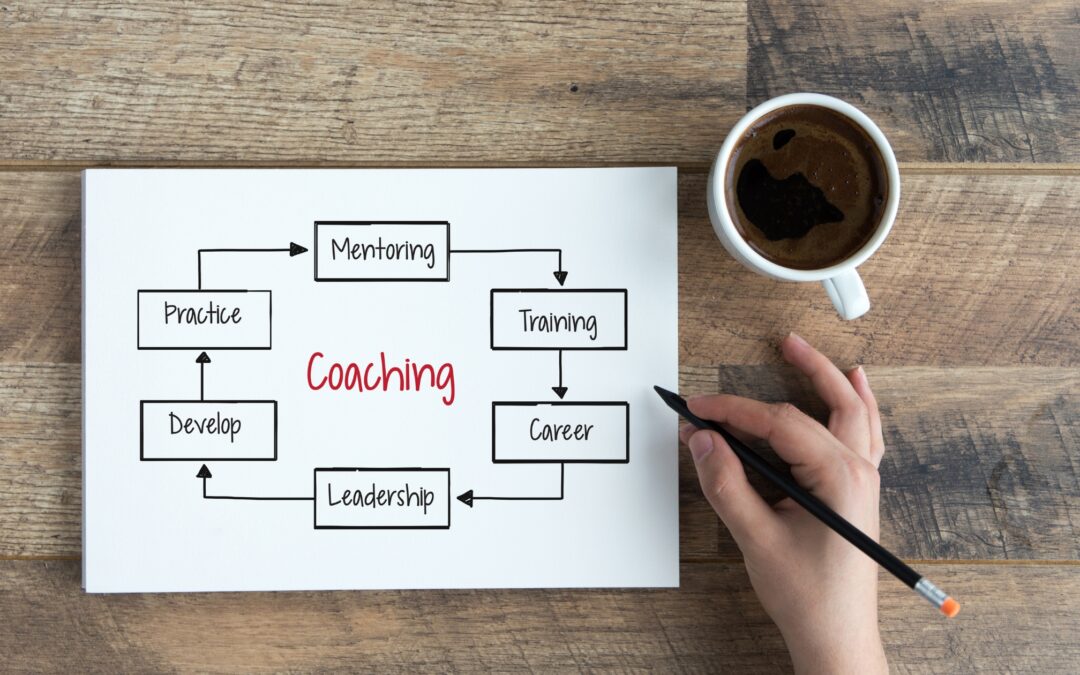
As the demand for health and wellness services continues to grow, becoming a certified wellness coach is an increasingly popular career path for those passionate about helping others live healthier, more fulfilling lives. A wellness coach certification equips you with the skills, knowledge, and credibility needed to guide clients on their journey to improved physical, emotional, and mental well-being.
In this guide, we’ll explore what a wellness coach certification entails, the benefits of becoming certified, and how to get started on your path to a meaningful and impactful career.
What Is a Wellness Coach Certification?
A wellness coach certification is a credential that demonstrates you’ve completed formal training in health and wellness coaching and have met industry standards for practice. Certification programs cover a variety of topics, including nutrition, fitness, stress management, behavior change, and client communication. These programs prepare you to support clients in setting goals, overcoming challenges, and making sustainable lifestyle changes.
Earning a certification enhances your credibility as a wellness coach and ensures you are well-equipped to provide evidence-based guidance. Whether you’re launching a new career or expanding your skill set as a fitness trainer, nutritionist, or healthcare professional, a wellness coach certification provides the foundation you need to excel in the field.
Why Pursue Wellness Coach Certification?
Becoming a certified wellness coach offers a range of personal and professional benefits, including:
Enhanced Credibility and Marketability
Certification signals to potential clients and employers that you have the training and expertise needed to provide effective wellness coaching. It sets you apart from uncertified coaches and positions you as a credible professional in the industry.
Comprehensive Knowledge and Skills
A wellness coach certification program provides a well-rounded education in health, wellness, and coaching techniques. You’ll learn how to assess clients’ needs, create personalized wellness plans, and use coaching strategies to help clients stay motivated and committed to their goals.
Expanded Career Opportunities
Wellness coaching is a versatile field with opportunities in various settings, including private practice, corporate wellness programs, healthcare facilities, fitness centers, and educational institutions. Certification broadens your career prospects and allows you to work with a diverse range of clients.
Personal Growth and Fulfillment
Helping others achieve their wellness goals is a deeply rewarding experience. Certification programs often focus on personal development as well, encouraging you to reflect on your own wellness journey and align your values with your coaching practice.
Increased Earning Potential
Certified wellness coaches often command higher rates than uncertified coaches due to their demonstrated expertise. Employers are also more likely to hire certified professionals, making certification a worthwhile investment in your future earning potential.
Key Components of a Wellness Coach Certification Program
Wellness coach certification programs typically cover several core areas that prepare you to guide clients effectively. These include:
Foundations of Wellness
Understanding the principles of wellness is essential for any coach. Certification programs provide a comprehensive overview of wellness dimensions, including physical, emotional, mental, and social well-being. You’ll learn how to take a holistic approach to wellness that addresses all aspects of a client’s life.
Behavior Change Strategies
One of the most important roles of a wellness coach is to help clients make lasting changes to their habits and behaviors. Certification programs teach evidence-based strategies for behavior change, such as goal setting, habit formation, and motivational interviewing. These techniques empower clients to take ownership of their wellness journey.
Nutrition and Fitness Basics
While wellness coaches are not dietitians or personal trainers, they often provide general guidance on nutrition and exercise. Certification programs cover basic concepts in these areas, giving you the knowledge to help clients adopt healthier eating habits and stay active. For more complex needs, you’ll learn when to refer clients to specialized professionals.
Stress Management and Mindfulness
Stress is a major barrier to wellness for many people. Certification programs teach techniques for stress management, relaxation, and mindfulness, enabling you to help clients reduce stress and improve their mental well-being.
Coaching Ethics and Professionalism
Ethical practice is a cornerstone of wellness coaching. Certification programs cover topics like confidentiality, boundaries, and cultural sensitivity, ensuring you provide a safe and respectful environment for your clients.
How to Choose the Right Wellness Coach Certification Program
With so many certification programs available, it’s important to choose one that aligns with your goals and values. Consider the following factors when selecting a program:
Accreditation and Credibility
Look for programs accredited by reputable organizations, such as the National Board for Health and Wellness Coaching (NBHWC) or the International Coach Federation (ICF). Accreditation ensures that the program meets high standards for training and education.
Curriculum and Focus Areas
Review the program’s curriculum to ensure it covers the topics and skills most relevant to your interests. For example, if you’re passionate about nutrition, look for a program that includes comprehensive training in dietary wellness.
Format and Flexibility
Many programs offer online, in-person, or hybrid formats. Choose a format that fits your schedule and learning style. Online programs often provide greater flexibility, making them a popular choice for busy professionals.
Practical Experience
Hands-on practice is essential for developing coaching skills. Look for programs that include supervised coaching sessions, case studies, or role-playing exercises to help you gain real-world experience.
Support and Resources
Consider programs that offer ongoing support, such as mentorship, networking opportunities, or access to a community of coaches. These resources can be invaluable as you build your coaching practice.
How to Get Certified as a Wellness Coach
Once you’ve chosen a program, follow these steps to earn your wellness coach certification:
Enroll in a Certification Program
Select a program that aligns with your goals and complete the enrollment process. Many programs offer payment plans or financial assistance to make certification more accessible.
Complete Coursework and Training
Work through the program’s curriculum, which may include online modules, live classes, or a combination of both. Take advantage of any hands-on practice opportunities to refine your coaching skills.
Pass the Certification Exam
Most programs require you to pass a final exam to earn your certification. The exam may include written, oral, or practical components to assess your knowledge and skills.
Launch Your Wellness Coaching Career
With your certification in hand, you’re ready to start your career as a wellness coach. Whether you choose to work independently or join an established organization, your certification will open doors to new opportunities and clients.
Building a Successful Wellness Coaching Business
Earning your wellness coach certification is just the beginning. To build a thriving coaching practice, focus on these key areas:
Develop Your Brand and Niche
Identify your unique strengths and interests, and use them to define your coaching niche. Whether you specialize in stress management, weight loss, or workplace wellness, having a clear focus will help you attract clients who resonate with your approach.
Create a Marketing Strategy
Use a mix of online and offline marketing techniques to promote your services. Build a professional website, share valuable content on social media, and network with other wellness professionals to grow your client base.
Foster Strong Client Relationships
Success in wellness coaching depends on your ability to build trust and rapport with your clients. Listen actively, provide personalized guidance, and celebrate their progress to create a positive coaching experience.
Continue Learning and Growing
The wellness field is constantly evolving, so stay updated on the latest research and trends. Attend workshops, read industry publications, and pursue advanced certifications to enhance your skills and stay competitive.
Start Your Journey Today
Pursuing a wellness coach certification is a transformative step toward a fulfilling career that makes a positive impact on others’ lives. If you’re ready to take the first step, explore programs that align with your goals and consider taking a helpful assessment like the one offered by Coach Training Alliance. With the right training and commitment, you can build a successful coaching practice that empowers clients to achieve their wellness goals and lead healthier, happier lives.

Starting a coaching business is an exciting venture for anyone passionate about helping others achieve their goals and unlock their potential. Whether you’re transitioning from another career or expanding your skills, a coaching business can be incredibly rewarding both professionally and personally. However, building a successful coaching practice requires strategic planning, industry knowledge, and a deep commitment to ongoing growth.
In this guide, we’ll walk you through each step of starting a coaching business, from identifying your niche and getting certified to marketing your services and cultivating client relationships. By following these steps and focusing on long-term goals, you’ll be better equipped to create a thriving, sustainable coaching practice.
Step 1: Identify Your Coaching Niche
Your niche is the specific area of expertise you’ll focus on in your coaching business. Choosing a niche not only makes you more marketable but also helps you tailor your services to clients who need your unique skills and knowledge. The most successful coaches specialize in areas like life coaching, career coaching, leadership coaching, wellness coaching, or relationship coaching. By narrowing your focus, you can attract clients who are actively looking for support in that particular area.
If you’re unsure which niche is right for you, consider taking an assessment to explore your strengths and interests. Coach Training Alliance offers a helpful quiz to assess your coaching potential, which can provide valuable insights as you embark on this journey.
Step 2: Get the Right Training and Certification
While formal certification isn’t required to become a coach, having professional training enhances your credibility, skills, and marketability. A reputable certification from an accredited organization, like the International Coach Federation (ICF), demonstrates that you’ve completed training and adhere to professional standards.
There are many coaching programs to choose from, each offering unique benefits. Look for a program that covers essential skills like active listening, goal setting, accountability, and ethics. Some programs, like those from Coach Training Alliance, provide a blend of online learning and practical exercises, helping you build real-world skills and confidence. Certification not only makes your coaching business more appealing to potential clients but also provides you with structured guidance and support as you begin your career.
Step 3: Create a Business Plan
A well-thought-out business plan is essential for any successful venture, and a coaching business is no exception. A business plan provides a roadmap for your goals, strategies, and financial projections. It also helps you clarify your mission, target market, services, and pricing.
In your business plan, define the services you’ll offer, such as one-on-one coaching, group sessions, workshops, or online programs. Outline your pricing strategy, considering factors like market rates, your target audience’s budget, and the unique value you bring as a coach. Also, set revenue goals and estimate how many clients you’ll need to meet those targets. A clear business plan will guide your decision-making and keep you focused on achieving long-term success.
Step 4: Develop Your Brand and Online Presence
In today’s digital world, a strong online presence is essential for any coaching business. Your brand is more than just your logo; it’s the personality, tone, and values you communicate to potential clients. Developing a brand that reflects your coaching philosophy and resonates with your target audience will help you stand out.
Start by creating a professional website that showcases your services, experience, and testimonials. Key elements of your website should include an “About” page that explains your background and approach, a detailed description of your services, and a contact form for clients to reach you easily. Consider adding a blog where you can share insights related to your coaching niche, which helps with SEO and attracts organic traffic.
Social media platforms like Instagram, LinkedIn, and Facebook are also valuable tools for building your brand and connecting with potential clients. Share content that adds value to your audience, such as coaching tips, success stories, and educational insights. Consistent, authentic engagement on social media can help you build trust and establish yourself as an authority in your niche.
Step 5: Market Your Coaching Business
Marketing is crucial for attracting clients and building awareness of your coaching business. Many new coaches rely on a mix of content marketing, networking, and referral programs to spread the word. Here are some effective marketing strategies to consider:
- Content Marketing: Sharing valuable content through blogs, videos, and social media posts helps establish your expertise and engage potential clients. You might write blog posts on topics related to your niche, create video tutorials, or start a podcast.
- Email Marketing: Building an email list allows you to stay in touch with potential clients. Offer a free resource, such as an eBook, guide, or checklist, in exchange for email subscriptions. Send regular newsletters with coaching tips, client success stories, and any special offers to keep your audience engaged.
- Networking: Building relationships with other professionals can lead to referrals and collaboration opportunities. Attend industry events, join coaching communities, and connect with people who serve similar audiences. For example, if you specialize in wellness coaching, connecting with nutritionists, personal trainers, and yoga instructors can lead to valuable referrals.
- Referral Programs: Word of mouth is one of the most effective forms of marketing for coaches. Encourage satisfied clients to refer friends or colleagues by offering incentives, such as a discount on their next session. Positive testimonials and referrals are powerful tools for growing your client base.
Step 6: Offer Free Value to Attract Clients
One of the best ways to attract clients is by offering free value. People are more likely to hire a coach when they’ve had a positive firsthand experience with your services. Consider offering a free consultation, which allows potential clients to experience your coaching style and see the value you can provide.
Free resources like eBooks, guides, and webinars are also excellent tools for engaging potential clients. Choose a topic that’s relevant to your niche, and offer these resources in exchange for an email address to build your email list. Hosting free workshops or webinars gives potential clients a taste of what they can expect from working with you, while also positioning you as an expert in your field.
Step 7: Set Up Client Management Processes
As you begin working with clients, establishing clear processes will make your business more efficient and professional. Decide on a process for onboarding new clients, which might include an initial consultation, a welcome packet, or a contract outlining the terms of your services. Clear communication and documentation create a positive experience for clients and help manage expectations.
Consider using client management software to keep track of client information, schedule appointments, and track progress. Many platforms offer built-in tools for scheduling, invoicing, and communication, making it easier to stay organized and keep your clients on track.
Establishing a structured process for client sessions is also important. Determine how you’ll track client progress, what tools or assessments you’ll use, and how you’ll address any challenges they face. These processes will help you deliver consistent, high-quality coaching services.
Step 8: Continue Your Professional Development
The most successful coaches are committed to lifelong learning and personal growth. Professional development keeps you informed about industry trends, new coaching techniques, and research-based practices. Consider joining a coaching organization like the International Coach Federation (ICF), which provides access to resources, workshops, and networking opportunities.
Stay curious about your own growth as a coach by participating in workshops, reading books on coaching, and seeking feedback from your clients. Continuing education not only enhances your skills but also demonstrates to clients that you are dedicated to being the best coach possible.
Programs like Coach Training Alliance’s Coach Potential Quiz can offer insights into areas for growth, helping you assess where you excel and where you might improve. This commitment to growth ensures you’re providing the highest quality service to your clients.
Step 9: Foster Long-Term Client Relationships
Building strong relationships with clients is key to a sustainable coaching business. Clients who feel supported, valued, and heard are more likely to continue working with you, refer others, and leave positive testimonials. Focus on creating an environment where clients feel safe to explore, challenge themselves, and grow.
Follow up with clients regularly, even after your sessions have concluded. A simple check-in can make a lasting impression, letting clients know you care about their progress. Staying connected through occasional emails, check-ins, or even a personalized message on important dates can nurture a positive client relationship that leads to future referrals and repeat business.
Starting a coaching business requires dedication, strategic planning, and a genuine commitment to helping others achieve their best. By following these steps, staying focused on your goals, and continuously refining your skills, you can build a coaching business that makes a meaningful impact in your clients’ lives and provides you with a fulfilling career path.

In the ever-evolving business world, the value of human capital has never been more apparent. Organizations that recognize employees as their most valuable assets see greater innovation, adaptability, and long-term growth. Human capital coaching is a strategic approach to developing and maximizing employee potential by focusing on their skills, strengths, and engagement.
Human capital coaching empowers individuals, enhances team dynamics, and fosters a culture of continuous improvement. Through targeted coaching, organizations can optimize their human capital, resulting in improved performance, retention, and morale. Programs like Coach Training Alliance’s Leader as Coach provide leaders with the skills needed to drive these outcomes effectively.
What is Human Capital Coaching?
Human capital coaching focuses on helping individuals and teams reach their fullest potential by honing their skills, fostering engagement, and aligning personal growth with organizational goals. This type of coaching is unique because it prioritizes the development of employees at all levels, not just high-level executives or senior management. By investing in the workforce as a whole, human capital coaching contributes to a more motivated, skilled, and productive organization.
Rather than taking a one-size-fits-all approach, human capital coaching tailors strategies to meet the unique needs of each employee, team, and organization. This targeted coaching can involve a range of practices, from skill development and mentorship to leadership training and team building. The ultimate goal is to create an environment where employees feel supported, challenged, and empowered to succeed.
The Benefits of Human Capital Coaching
Human capital coaching offers a variety of benefits for both employees and organizations. Here’s how this approach can make a meaningful impact:
- Enhanced Employee Engagement: Human capital coaching builds a culture of engagement by helping employees find purpose and value in their roles. When employees are encouraged to set goals, develop skills, and achieve personal milestones, they feel more connected to the organization’s mission.
- Higher Retention Rates: Organizations that invest in their employees’ growth are more likely to retain top talent. Human capital coaching demonstrates a commitment to employee development, leading to higher job satisfaction and lower turnover.
- Improved Productivity and Performance: Coaching helps employees develop the skills they need to excel in their roles. This boosts individual performance, enhances teamwork, and ultimately leads to better results for the organization.
- Stronger Leadership Pipeline: Human capital coaching prepares employees for leadership roles by nurturing key qualities such as resilience, adaptability, and decision-making. This creates a steady pipeline of leaders who are ready to take on new responsibilities as the organization grows.
- Enhanced Problem-Solving and Innovation: Employees who receive coaching are more likely to feel empowered to share ideas, solve complex problems, and think creatively. Human capital coaching fosters a culture of innovation by giving employees the confidence to take initiative and explore new solutions.
Core Elements of Human Capital Coaching
Human capital coaching incorporates several essential elements that work together to develop and maximize the potential of the workforce. These elements include skill development, leadership training, emotional intelligence, and team cohesion.
Skill Development
Skill development is at the heart of human capital coaching. Through personalized training and feedback, employees have the opportunity to build the skills necessary for their roles and prepare for future advancement. Human capital coaching identifies skill gaps and provides targeted development to close these gaps, allowing employees to grow and take on new challenges.
Skill development also supports succession planning. As employees expand their capabilities, they become better prepared for promotions and new roles, ensuring that the organization has a strong internal talent pool to draw from when leadership opportunities arise.
Leadership Training
A key component of human capital coaching is leadership development. This doesn’t just apply to senior management; it’s about cultivating leadership qualities at all levels of the organization. Programs like Coach Training Alliance’s Leader as Coach empower leaders to adopt a coaching mindset, transforming their approach to leadership by fostering growth, collaboration, and accountability.
By coaching employees in leadership skills, organizations create a culture where employees feel supported in their professional development and encouraged to take ownership of their roles. This coaching-focused leadership helps to break down traditional hierarchies and create an environment of shared responsibility.
Emotional Intelligence
Emotional intelligence (EQ) is a critical skill in today’s workplace. EQ involves understanding and managing one’s emotions, as well as recognizing and influencing the emotions of others. Human capital coaching emphasizes emotional intelligence as a foundational skill for effective teamwork, communication, and leadership.
Coaching employees to develop their EQ enables them to navigate workplace dynamics with greater empathy, resilience, and self-awareness. Higher EQ leads to better collaboration, conflict resolution, and relationship building, all of which contribute to a healthier work environment.
Team Cohesion
Human capital coaching also emphasizes the importance of team cohesion. Building a cohesive team requires more than just bringing together skilled individuals; it involves creating a culture of trust, respect, and shared goals. Human capital coaches work with teams to improve communication, resolve conflicts, and align team efforts with organizational objectives.
By fostering team cohesion, human capital coaching helps organizations create a work environment where employees feel valued, supported, and motivated to work together effectively. This sense of unity enhances productivity, morale, and the overall employee experience.
Implementing Human Capital Coaching in the Workplace
Human capital coaching can be implemented at various levels within an organization, from individual coaching sessions to group workshops. Here are some ways organizations can integrate human capital coaching to maximize employee potential:
One-on-One Coaching
One-on-one coaching sessions allow employees to work directly with a coach to set goals, identify areas for growth, and develop actionable plans for improvement. These sessions are personalized to meet each employee’s unique needs, providing tailored guidance and support. One-on-one coaching helps employees build confidence, develop new skills, and stay motivated.
Group Workshops and Training
Group workshops and training sessions are an effective way to introduce human capital coaching principles to a larger audience. Workshops can cover a range of topics, from communication skills and time management to emotional intelligence and team building. By working together in a group setting, employees gain valuable insights, learn from each other’s experiences, and build stronger connections with their colleagues.
Leadership Development Programs
Human capital coaching is particularly beneficial for leaders. Leadership development programs like Coach Training Alliance’s Leader as Coach equip managers and team leaders with coaching skills that enhance their ability to support, motivate, and engage their teams. Through leadership coaching, managers learn to adopt a coaching mindset, becoming more effective mentors and role models for their employees.
Integrating Coaching into Performance Reviews
Performance reviews are an ideal time to incorporate human capital coaching. Instead of focusing solely on performance metrics, coaching-based performance reviews emphasize growth, skill development, and personal goals. This approach allows employees to feel more supported and valued, leading to higher engagement and motivation.
Creating a Culture of Coaching
To fully realize the benefits of human capital coaching, organizations should strive to create a culture of coaching. This involves embedding coaching principles into everyday interactions, encouraging open communication, and promoting a growth mindset across the organization. Leaders can play a key role in fostering this culture by modeling coaching behaviors, actively listening to employees, and providing regular feedback.
The Role of Leaders in Human Capital Coaching
Leaders play a critical role in the success of human capital coaching. By embracing a coaching mindset, leaders can drive employee development, foster a positive work culture, and contribute to the overall success of the organization. Here’s how leaders can implement human capital coaching in their teams:
- Adopt a Coaching Mindset: Leaders who view themselves as coaches rather than managers create a more supportive and empowering work environment. Adopting a coaching mindset involves prioritizing employee growth, setting clear expectations, and providing constructive feedback.
- Encourage Open Communication: Leaders should create a safe space where employees feel comfortable sharing ideas, asking questions, and expressing concerns. Open communication builds trust and enables employees to feel valued and supported.
- Focus on Strengths: Effective human capital coaching involves recognizing and leveraging each employee’s strengths. Leaders can help employees identify their unique talents and find ways to use those strengths to contribute to team success.
- Set Realistic and Challenging Goals: Goal-setting is a key component of human capital coaching. Leaders should work with employees to set goals that are both realistic and challenging, creating opportunities for growth while ensuring that goals are achievable.
- Provide Continuous Feedback: Rather than waiting for formal performance reviews, leaders should offer regular feedback to keep employees on track and address any challenges as they arise. Continuous feedback helps employees stay engaged, motivated, and aligned with organizational objectives.
Human Capital Coaching: A Catalyst for Organizational Success
Human capital coaching is a powerful strategy for maximizing employee potential, enhancing team dynamics, and driving organizational success. By investing in employees’ growth and development, organizations create a workforce that is skilled, motivated, and committed to achieving shared goals. Programs like Leader as Coach from Coach Training Alliance provide the training and tools leaders need to adopt a coaching approach, transforming how they interact with their teams.
Through human capital coaching, organizations can foster a culture of continuous improvement, where employees are encouraged to grow, collaborate, and contribute meaningfully. This approach not only boosts productivity and performance but also enhances employee engagement and job satisfaction, leading to a thriving and resilient workforce. As more organizations recognize the value of human capital coaching, they’re better equipped to navigate challenges, adapt to change, and build a future where employees and organizations succeed together.

In the world of coaching, neuroscience has emerged as a powerful tool for understanding and influencing behavior. Neuroscience coaching certification programs combine insights from psychology, neuroscience, and coaching to help coaches guide their clients more effectively. Through a deeper understanding of how the brain works, neuroscience coaching enables coaches to support clients in making lasting changes by aligning coaching techniques with the brain’s natural tendencies.
If you’re interested in incorporating science-based methods into your coaching practice, pursuing a neuroscience coaching certification could be the ideal next step. Let’s explore what neuroscience coaching is, the benefits of becoming certified, and how programs like Coach Training Alliance’s Breaking the Script can elevate your coaching skills.
What Is Neuroscience Coaching?
Neuroscience coaching applies principles from neuroscience to understand how the brain processes information, makes decisions, and forms habits. Coaches trained in neuroscience use this knowledge to help clients rewire their thinking, overcome mental barriers, and create sustainable change. Unlike traditional coaching, which often relies on goal-setting and motivational strategies, neuroscience coaching focuses on how changes happen at a cognitive level, tapping into the brain’s natural mechanisms for growth and adaptation.
Through a neuroscience coaching certification, coaches gain expertise in areas like neuroplasticity (the brain’s ability to reorganize itself), emotional regulation, memory, and cognitive bias. This allows them to create coaching interventions that work in harmony with their clients’ cognitive processes, leading to greater insights and lasting outcomes.
Benefits of Neuroscience Coaching Certification
Becoming certified in neuroscience coaching offers a range of advantages for coaches who want to deepen their practice. Here’s how a neuroscience coaching certification can enhance your skills and help you stand out in a competitive coaching market:
A Stronger Foundation in Science-Based Techniques
Neuroscience coaching certification programs provide a structured understanding of the brain and behavior, grounding your practice in proven scientific principles. With this knowledge, you can design coaching sessions that directly address how the brain responds to stress, change, and motivation. By helping clients work with their brain’s natural processes, you’ll be able to guide them toward faster, more sustainable progress.
Enhanced Problem-Solving Skills
Coaches who understand neuroscience can approach client challenges with fresh perspectives. Whether it’s dealing with stress, building resilience, or changing habits, neuroscience coaching provides you with tools to address the root causes of a client’s challenges. You’ll be better equipped to help clients overcome roadblocks and implement strategies that truly support long-term change.
Improved Communication and Empathy
Effective coaching relies on strong communication and the ability to empathize with clients. Neuroscience coaching certification programs teach you about emotional regulation, social cognition, and the brain’s response to empathy. This training helps you create deeper, more meaningful connections with your clients, fostering trust and openness.
Increased Credibility and Marketability
A neuroscience coaching certification sets you apart in a crowded field. Clients are increasingly looking for science-based approaches that guarantee results. By adding a neuroscience specialization to your coaching practice, you demonstrate your commitment to evidence-based methods and your willingness to invest in ongoing professional development. This can make you more appealing to potential clients and give you a competitive edge in the coaching industry.
Practical Tools for Client Success
Neuroscience coaching certification programs don’t just provide knowledge—they also equip you with practical tools you can use right away. Techniques like mindfulness, cognitive restructuring, and habit formation are rooted in neuroscience and have a direct impact on client outcomes. By integrating these tools into your sessions, you give clients tangible strategies for managing their thoughts, emotions, and behaviors.
Key Concepts Covered in Neuroscience Coaching Certification Programs
Neuroscience coaching certification programs cover a variety of topics designed to enhance your understanding of the brain and its influence on behavior. Some of the main areas of study include:
Neuroplasticity
Neuroplasticity, or the brain’s ability to change and adapt, is a cornerstone of neuroscience coaching. Understanding neuroplasticity allows coaches to help clients break old habits and form new ones by creating new neural pathways. Coaches trained in neuroscience learn how to encourage this adaptability in clients, making it easier to develop positive behaviors and lasting change.
Emotional Regulation
Emotional regulation is the ability to manage and respond to emotions in a constructive way. Neuroscience coaching programs often include techniques for helping clients understand and control their emotions. By guiding clients through emotional regulation exercises, you enable them to manage stress, improve relationships, and make clear-headed decisions.
Cognitive Biases
Cognitive biases are mental shortcuts that can lead to distorted thinking and poor decision-making. Neuroscience coaches learn about common biases, such as confirmation bias and negativity bias, and how to help clients recognize and overcome them. This skill is especially useful for clients dealing with self-doubt, limiting beliefs, or decision-making challenges.
Memory and Learning
Memory plays a crucial role in shaping our thoughts, beliefs, and actions. Neuroscience coaching certification programs explore how memory works, including how memories are formed, stored, and recalled. With this knowledge, coaches can help clients reinterpret past experiences in a way that supports their goals, rather than holding them back.
Mindfulness and Stress Reduction
Mindfulness is a technique rooted in neuroscience that involves focusing on the present moment without judgment. Neuroscience coaching programs teach mindfulness techniques that help clients manage stress, reduce anxiety, and improve mental clarity. As a neuroscience coach, you’ll be able to guide clients through mindfulness exercises that improve emotional resilience and self-awareness.
Goal Setting and Habit Formation
Setting and achieving goals is often a central focus in coaching, but neuroscience coaching takes it a step further by using the brain’s natural mechanisms for habit formation. Neuroscience-based goal setting includes techniques that align with the brain’s reward system, making it easier for clients to stay motivated and consistent in their efforts.
What to Expect from a Neuroscience Coaching Certification Program
Neuroscience coaching certification programs blend scientific knowledge with practical coaching skills. Programs like Coach Training Alliance’s Breaking the Script focus on helping coaches incorporate neuroscience principles into their practice. Here’s what you can expect when enrolling in a neuroscience coaching certification program:
In-Depth Training and Education
Neuroscience coaching certification programs provide comprehensive education on the science behind human behavior. Expect to learn about neuroanatomy, the functions of different brain regions, and the latest research in cognitive psychology. This training gives you a solid foundation in the principles of neuroscience, allowing you to coach with greater confidence and expertise.
Hands-On Practice and Real-World Application
Effective neuroscience coaching requires more than just knowledge—it requires practical experience. Most neuroscience coaching programs include hands-on practice, where you can apply what you’ve learned through role-playing, supervised coaching sessions, or client work. These practical components ensure you’re prepared to incorporate neuroscience techniques into your sessions effectively.
Personal and Professional Growth
Neuroscience coaching certification is not only transformative for your clients but also for you as a coach. By understanding how your own brain functions and developing emotional resilience, you’ll become more effective in helping clients navigate their challenges. Neuroscience training fosters personal growth, empathy, and a deeper understanding of the human experience, which enhances both your coaching skills and your personal life.
Certification and Ongoing Support
Upon completing a neuroscience coaching certification program, you’ll receive a credential that attests to your specialized knowledge and skills. Some programs, like Coach Training Alliance’s Breaking the Script, also offer ongoing support through workshops, forums, or alumni networks. This support is valuable for staying up-to-date on new research, exchanging ideas with fellow coaches, and further developing your expertise.
Is Neuroscience Coaching Right for You?
Neuroscience coaching is ideal for coaches who want to incorporate evidence-based methods into their practice. It’s especially beneficial for coaches who work with clients dealing with stress, anxiety, or other mental roadblocks. By gaining a neuroscience coaching certification, you can deepen your impact, provide practical solutions for your clients, and differentiate yourself in the coaching industry.
If you’re passionate about understanding human behavior and helping clients make meaningful changes, neuroscience coaching could be a powerful addition to your skillset. The principles and techniques taught in neuroscience coaching certification programs empower you to support clients more holistically, addressing both their psychological and neurological needs.
Neuroscience coaching certification offers a unique pathway for coaches who are committed to continuous growth and innovation in their field. By exploring programs like Breaking the Script from Coach Training Alliance, you can take the next step in your professional journey and unlock the science of effective coaching.
Whether you’re a new coach or an experienced practitioner, adding neuroscience to your coaching repertoire can elevate your practice and provide clients with a transformative experience that leads to profound, lasting change.

In today’s fast-paced, competitive business landscape, effective leadership is critical to organizational success. Leaders who can inspire, engage, and develop their teams are better positioned to foster a productive, resilient work culture. However, leadership skills don’t always come naturally; they require continuous development, introspection, and fine-tuning. This is where leadership coaching training comes in—a structured approach to help leaders refine their skills, enhance their self-awareness, and adopt strategies that drive growth and performance.
Leadership coaching training equips leaders with tools to not only improve their own performance but also to uplift those around them. In this article, we’ll explore what leadership coaching training entails, its benefits, and how programs like the Co-Creative Leadership Program and Leader as Coach from Coach Training Alliance can transform individuals into highly effective leaders.
What is Leadership Coaching Training?
Leadership coaching training is a developmental approach that empowers leaders to build essential coaching skills, improve communication, and develop their teams. Unlike traditional management training, which often emphasizes processes and results, leadership coaching training focuses on fostering self-awareness, empathy, active listening, and the ability to inspire and mentor others.
Through structured programs and methodologies, leaders learn how to ask insightful questions, guide employees through challenges, and foster an environment that encourages growth. Leadership coaching training emphasizes collaboration, accountability, and creating a culture where people feel valued and motivated.
Many programs, including those offered by Coach Training Alliance, blend theory with hands-on practice, allowing leaders to apply coaching techniques directly in their workplace. This approach ensures that participants can seamlessly integrate what they’ve learned into their day-to-day interactions with employees.
Why Leadership Coaching is Essential in Modern Workplaces
The traditional top-down leadership model is gradually being replaced by a more collaborative, coaching-focused approach. Leaders who adopt coaching techniques help their teams reach their potential by focusing on strengths, offering constructive feedback, and providing guidance rather than directives. This shift is beneficial for organizations and individuals alike.
Leadership coaching training supports leaders in developing skills that enhance team cohesion, boost morale, and improve employee retention. When employees feel supported by leadership, they are more likely to take ownership of their roles, work collaboratively, and contribute meaningfully to the company’s mission. Furthermore, organizations with coaching-focused leadership report higher productivity, better problem-solving, and increased adaptability.
For leaders themselves, adopting a coaching mindset can lead to greater job satisfaction. Coaching-focused leaders tend to build stronger relationships with their teams, enjoy higher levels of trust, and are often seen as approachable mentors rather than just supervisors. Leadership coaching training offers a structured pathway for leaders to develop these skills and foster a positive impact in their organizations.
Key Components of Leadership Coaching Training
Leadership coaching training encompasses several foundational components that are essential for effective leadership. Here are some core areas that training programs, such as those from Coach Training Alliance, typically cover:
Self-Awareness and Emotional Intelligence
Effective leaders must be aware of their own emotions, behaviors, and how these impact others. Self-awareness and emotional intelligence are critical to understanding personal strengths and areas for growth. In a leadership coaching training program, participants learn to identify their own emotional triggers, manage stress, and respond thoughtfully in challenging situations. This self-awareness enables leaders to model the behaviors they want to see in their teams and to approach conflicts with empathy and tact.
Communication and Active Listening
Communication skills are at the heart of effective leadership. Leaders who can communicate clearly, listen actively, and engage in open dialogue build trust and rapport with their teams. Leadership coaching training emphasizes active listening—truly hearing what team members are saying and responding in a way that validates their perspectives. By mastering active listening, leaders foster an environment where employees feel heard, respected, and understood.
Asking Powerful Questions
Leadership coaching training teaches leaders how to ask insightful, thought-provoking questions that prompt team members to reflect, analyze, and find solutions independently. Instead of giving instructions, coaching-focused leaders use questions to encourage employees to think critically and take ownership of their decisions. This approach builds confidence, promotes creativity, and helps employees develop problem-solving skills.
Providing Constructive Feedback
Giving feedback is one of the most challenging aspects of leadership. In leadership coaching training, participants learn techniques for providing constructive, actionable feedback that inspires improvement rather than discourages. Effective feedback is specific, respectful, and focused on behavior rather than personal attributes. Leaders who master feedback techniques can help their teams grow without causing defensiveness or conflict.
Setting Goals and Accountability
Leadership coaching training also emphasizes goal setting and accountability. Leaders learn to work collaboratively with team members to set clear, achievable goals that align with organizational objectives. By holding employees accountable and offering support throughout the goal-setting process, leaders create a culture of responsibility and continuous improvement.
Coaching for Development
A critical aspect of leadership coaching is fostering professional development within the team. Instead of simply managing tasks, leaders learn to coach their team members for growth, helping them acquire new skills, build confidence, and advance their careers. This coaching mindset leads to higher job satisfaction, as employees feel supported in their professional journey.
Exploring Leadership Coaching Programs from Coach Training Alliance
Coach Training Alliance offers two comprehensive leadership coaching programs: the Co-Creative Leadership Program and the Leader as Coach Program. Both programs provide leaders with the tools and techniques they need to transform their approach to leadership and develop into effective, inspiring mentors.
The Co-Creative Leadership Program focuses on building a collaborative approach to leadership, where leaders and team members work together to achieve shared goals. This program emphasizes self-awareness, communication, and creating a supportive work environment that fosters mutual respect and trust. Leaders who complete the Co-Creative Leadership Program leave with a deep understanding of how to inspire, empower, and engage their teams.
On the other hand, the Leader as Coach Program is designed for leaders who want to adopt a coaching mindset in their interactions with employees. This program teaches participants how to ask powerful questions, provide constructive feedback, and encourage personal accountability. By focusing on these coaching skills, the Leader as Coach Program enables leaders to cultivate a work environment where employees feel motivated, valued, and empowered to reach their potential.
Both programs offered by Coach Training Alliance are ideal for leaders seeking to refine their skills and foster a positive, coaching-focused approach within their teams.
How Leadership Coaching Training Impacts Organizational Culture
Leadership coaching training has a profound impact on organizational culture, as it encourages a shift from a command-and-control mindset to a collaborative, supportive one. Leaders who embrace a coaching approach are better equipped to create a work environment that prioritizes growth, innovation, and well-being.
Employees who feel supported by coaching-focused leaders are more likely to take risks, innovate, and approach challenges with confidence. A culture that values continuous learning and development not only benefits employees but also strengthens the organization as a whole. High morale, increased engagement, and a sense of shared purpose all contribute to a workplace where people are motivated to perform at their best.
Furthermore, leadership coaching training helps reduce turnover by creating a workplace where people feel connected and valued. Employees are more likely to stay with an organization that invests in their growth and development. This positive retention effect helps organizations save on recruitment costs, maintain institutional knowledge, and build cohesive, skilled teams.
For leaders, embracing a coaching role can increase job satisfaction and fulfillment. Coaching-focused leaders enjoy stronger relationships with their teams, experience greater levels of trust, and often feel a deeper sense of purpose in their roles. The positive impact of leadership coaching training extends beyond the workplace, influencing how leaders interact with family, friends, and communities.
Leadership Coaching Training and Personal Growth
While leadership coaching training is primarily aimed at developing professional skills, it also promotes personal growth. Leaders who undergo coaching training often find that they become more patient, empathetic, and self-aware. These qualities contribute not only to better leadership but also to enhanced personal well-being.
Self-awareness and emotional intelligence are foundational elements of effective leadership. Leaders who understand their own strengths, weaknesses, and triggers are better equipped to manage stress, resolve conflicts, and make thoughtful decisions. Leadership coaching training provides leaders with valuable tools for managing their own emotions and responses, leading to more balanced and thoughtful interactions both inside and outside of work.
This personal growth dimension of leadership coaching training helps participants create harmony in their personal and professional lives, reducing stress and enhancing resilience. Leaders who embrace these skills are better prepared to handle the challenges of leadership with a calm, steady approach.
Choosing the Right Leadership Coaching Program
Selecting the right leadership coaching training program is essential to ensure a positive learning experience and tangible results. When evaluating programs, consider factors such as the curriculum, teaching style, and alignment with your leadership goals. It’s also important to look for programs that offer practical application and real-world practice, as these elements enable participants to immediately apply what they’ve learned in their own work environments.
Coach Training Alliance’s Co-Creative Leadership Program and Leader as Coach Program are both highly effective options, each with a unique focus. Leaders who want to build a more collaborative and empowering approach to leadership may benefit from the Co-Creative Leadership Program, which emphasizes teamwork, open communication, and shared success. For those interested in adopting a more coaching-focused leadership style, the Leader as Coach Program provides the tools to foster accountability, creativity, and resilience within teams.
Both programs offer structured, actionable training that enables leaders to develop essential coaching skills and transform their approach to leadership. Participants in these programs not only learn how to become more effective leaders but also gain insights into personal growth and well-being.
Leadership Coaching Training: A Catalyst for Transformative Change
Leadership coaching training is much more than a skill-building exercise—it’s a transformative journey that shapes the way leaders approach their roles, relationships, and personal growth. By investing in leadership coaching training, leaders are choosing to cultivate a positive, impactful presence that resonates throughout their teams and organizations.
Programs like the Co-Creative Leadership Program and Leader as Coach Program from Coach Training Alliance offer the structure, support, and guidance needed to develop effective coaching skills. These programs equip leaders with a toolkit that enhances their ability to inspire, motivate, and support others, creating a ripple effect that benefits the entire organization.
Through leadership coaching training, leaders unlock the potential to drive positive change in themselves, their teams, and their organizations. The shift from traditional management to a coaching-focused approach fosters a work culture built on trust, empowerment, and continuous growth. As leaders embrace this transformation, they contribute not only to the success of their organization but also to their own personal growth and fulfillment, making leadership coaching training an invaluable investment for the future.

Starting a life coach business is a rewarding and transformative journey. It’s an opportunity to combine your passion for helping others with a fulfilling and flexible career. Life coaching has become a rapidly growing industry, as more people seek guidance to overcome personal challenges, achieve their goals, and lead more meaningful lives. Whether you’re just beginning your coaching career or transitioning from another profession, launching your own life coaching business allows you to create a path that is uniquely yours.
Building a successful life coaching practice requires more than just passion, though. It demands strategic planning, ongoing development, and a clear understanding of the coaching landscape. From identifying your niche and securing proper certification to marketing your services and cultivating lasting relationships with clients, starting a life coaching business involves several critical steps.
Identifying Your Niche and Target Audience
Before you launch your life coach business, it’s essential to identify your niche. A niche defines the specific area of coaching you will specialize in and the type of clients you want to serve. This could range from career coaching to relationship coaching, health and wellness, or personal development. Narrowing your focus allows you to stand out in a competitive market and appeal to a specific audience that aligns with your skills and interests.
Identifying your target audience is equally important. Understanding the demographics, needs, and goals of your ideal clients will help shape your coaching programs and marketing strategies. Ask yourself questions such as: Who are the people I most want to help? What are their challenges? What solutions are they seeking? Your answers will guide the development of your coaching services and help you connect with potential clients who resonate with your approach.
Gaining the Necessary Training and Certification
While anyone can technically call themselves a life coach, obtaining proper training and certification is crucial for building credibility and attracting clients. Certification from a reputable coaching organization ensures that you meet industry standards, possess essential coaching skills, and follow ethical guidelines. Accreditation from an organization like the International Coach Federation (ICF) demonstrates that you’ve undergone rigorous training and adhere to the highest standards in coaching.
Research different life coach certification programs to find one that fits your goals and learning style. Programs such as those offered by Coach Training Alliance provide comprehensive training that covers key coaching principles, strategies, and techniques. These programs often include live practice sessions, mentorship opportunities, and assessments to ensure you’re well-prepared to coach clients effectively. By becoming certified, you signal to potential clients that you are a qualified and professional life coach.
Developing Your Unique Coaching Style and Approach
As you embark on your journey to becoming a life coach, it’s important to develop your unique coaching style and approach. Life coaching is deeply personal, and each coach brings their own perspective, personality, and methodology to the table. Consider the techniques, tools, and processes that resonate most with you and align with your values. Do you prefer a structured, goal-oriented coaching approach? Or are you more drawn to a holistic, introspective coaching style? Your coaching style will influence the way you work with clients and the overall experience you provide.
Experiment with different coaching models and strategies to find what feels most authentic to you. This process of self-discovery is critical, as clients are more likely to connect with a coach who is confident in their approach. Stay open to continuous learning and evolution, as your coaching style may shift over time based on experience and feedback from clients.
Creating a Business Plan for Your Life Coaching Practice
A well-thought-out business plan is essential for launching a successful life coaching business. Your business plan will serve as a roadmap, outlining your goals, strategies, target market, and financial projections. It’s important to be clear about what you want to achieve with your business and how you will get there.
Start by defining the services you will offer. Will you provide one-on-one coaching sessions, group coaching, workshops, or online courses? Think about the structure and pricing of your services. Will you offer packages, hourly rates, or subscription-based models? Your business plan should also include your mission statement, which communicates your purpose and the impact you want to make in the lives of your clients.
Financial planning is another critical aspect of your business plan. Consider the costs involved in starting and running your life coaching business, including certification fees, marketing expenses, website development, and other overhead costs. Estimate your revenue goals and determine how many clients you need to meet those targets. Having a clear financial plan in place will help you stay on track as you grow your business.
Building Your Online Presence
In today’s digital world, having a strong online presence is essential for any business, and life coaching is no exception. Your website will serve as your digital storefront, showcasing your services, credentials, and client testimonials. It’s important to invest in a professional website that reflects your brand and makes it easy for potential clients to learn about your offerings and book sessions.
Your website should include key elements such as a clear description of your services, an “About” page that highlights your background and coaching philosophy, and a contact form that makes it easy for visitors to reach out. Adding a blog to your website is a great way to share valuable content, establish yourself as an expert in your niche, and improve your search engine optimization (SEO). Regularly publishing blog posts related to your coaching niche will help you attract organic traffic and connect with potential clients.
In addition to your website, leverage social media platforms to expand your reach and engage with your audience. Platforms like Instagram, LinkedIn, Facebook, and TikTok offer powerful tools for sharing content, building relationships, and promoting your coaching services. Consistently sharing content that provides value to your target audience will help you build trust and credibility. Engage with your followers by responding to comments, participating in conversations, and offering free insights that demonstrate your expertise.
Networking and Building Relationships
Networking is a powerful tool for growing your life coaching business. Building relationships with other professionals in your industry and related fields can lead to referrals, collaborations, and valuable opportunities. Attend life coaching events, webinars, and conferences to connect with fellow coaches, potential clients, and other professionals who may benefit from your services.
Consider joining professional organizations like the International Coach Federation (ICF) or networking groups in your local community. These organizations often provide access to resources, training, and mentorship, as well as opportunities to connect with potential clients and partners.
In addition to networking with other coaches, build relationships with professionals in complementary fields. For example, if you specialize in health and wellness coaching, connecting with nutritionists, personal trainers, and holistic health practitioners can create referral opportunities. These professionals may refer their clients to you, and you can refer your clients to them, creating a mutually beneficial relationship.
Marketing Your Life Coaching Business
Marketing is an essential aspect of building a successful life coaching business. Even if you’re a highly skilled coach, clients won’t find you unless you actively market your services. There are many ways to promote your life coaching business, and it’s important to find strategies that align with your strengths and resonate with your target audience.
Content marketing is one of the most effective ways to attract potential clients. This involves creating and sharing valuable content that addresses the needs and challenges of your target audience. Blog posts, videos, podcasts, and social media posts are all great content marketing tools. The goal is to provide helpful, insightful information that positions you as an expert in your niche. By consistently sharing valuable content, you can build trust with your audience and attract clients who resonate with your message.
Email marketing is another powerful tool for nurturing relationships with potential clients. Build an email list by offering free resources, such as eBooks, guides, or webinars, in exchange for subscribers’ email addresses. Once you’ve built your list, send regular emails with coaching tips, success stories, and special offers to keep your audience engaged and interested in your services.
Paid advertising can also be an effective way to reach new clients quickly. Platforms like Google Ads, Facebook Ads, and Instagram Ads allow you to target specific demographics and reach potential clients who are actively searching for coaching services. Experiment with different ad formats and targeting options to find what works best for your business.
Offering Free Value to Attract Clients
Offering free value is one of the best ways to attract clients and build trust. People are more likely to hire you as a life coach if they can experience the benefits of your coaching firsthand. Consider offering free consultations, webinars, or downloadable resources that provide value to your audience. This gives potential clients the opportunity to experience your coaching style and see how you can help them achieve their goals.
Hosting free webinars or workshops on topics related to your niche is a great way to engage with your audience and showcase your expertise. At the end of the session, invite attendees to book a discovery call or sign up for one of your coaching packages. This soft-selling approach allows potential clients to make an informed decision based on the value they’ve received.
Free consultations are another powerful tool for converting potential clients. Offering a free 30-minute consultation gives prospects the opportunity to discuss their challenges, ask questions, and experience your coaching style. This personal connection can often lead to long-term coaching relationships.
Establishing Credibility and Building Trust
Trust is a key factor in the success of any life coaching business. Clients need to trust that you have the skills, knowledge, and experience to guide them toward their goals. Building credibility and trust takes time, but there are several strategies you can use to establish yourself as a trusted coach.
Client testimonials and success stories are some of the most powerful tools for building trust. Ask your clients for feedback and testimonials that highlight the results they’ve achieved through your coaching. Feature these testimonials prominently on your website and social media platforms to showcase the value of your services. Case studies that outline specific challenges and how you helped your clients overcome them are also highly effective.
Writing guest posts for reputable websites, speaking at industry events, or appearing on podcasts can also help establish your credibility as a life coach. These opportunities allow you to share your expertise with a wider audience and position yourself as a thought leader in your niche.
Staying Committed to Professional Development
The coaching industry is constantly evolving, and staying committed to professional development is essential for long-term success. Continuing education not only enhances your skills but also keeps you informed of the latest trends, tools, and techniques in the coaching world. Invest in ongoing training, attend workshops, and participate in webinars to stay current and continue to grow as a coach.
Professional development also helps you stand out in a competitive market. Clients are more likely to hire a coach who demonstrates a commitment to ongoing learning and growth. Consider pursuing advanced certifications or specialized training in areas that align with your niche. By continuously honing your skills, you can offer more value to your clients and stay ahead of the competition.
Cultivating Long-Term Client Relationships
Building lasting relationships with clients is key to the sustainability of your life coaching business. Satisfied clients are more likely to continue working with you, refer you to others, and leave positive testimonials. Focus on providing exceptional service, staying present during sessions, and genuinely investing in your clients’ success.
Follow up with clients regularly, even after their coaching sessions have ended, to maintain the relationship and offer additional support when needed. This ongoing connection helps you stay top-of-mind, making clients more likely to return for additional services or refer you to others in their network.
As you grow your life coaching business, remember that each client represents an opportunity to make a lasting impact. By building authentic, meaningful relationships and providing exceptional value, you can create a thriving coaching practice that helps others transform their lives while achieving your own personal and professional goals.
Starting a life coaching business is an exciting and fulfilling endeavor that allows you to make a real difference in the lives of others. By following these steps—defining your niche, obtaining certification, developing a solid business plan, marketing your services, and building lasting relationships—you can create a successful and sustainable life coaching practice that aligns with your passion and purpose.

Reflection is one of the most powerful tools a coach can offer. It encourages clients to look inward and examine their experiences, thoughts, and emotions with greater clarity. In this blog, we’ll explore how integrating reflective practices into your coaching sessions can lead to deeper insights, stronger self-awareness, and transformative growth for clients.
Why Reflection Matters in Coaching
Reflection isn’t just about looking back; it’s about learning from past experiences to make more informed decisions moving forward. When clients take time to reflect, they begin to understand the motivations behind their actions and the impact of their choices. This heightened self-awareness often leads to more intentional, aligned actions that drive personal and professional progress.
As a coach, you can guide clients through reflection by asking them open-ended questions about their thoughts and feelings. Encouraging clients to journal their reflections between sessions can also be a powerful tool for continued growth.
How to Incorporate Reflection into Coaching
You can introduce reflection at different stages of your coaching process. For example:
- At the beginning of a session, ask clients to reflect on any recent challenges or successes they’ve encountered.
- During the session, pause to give clients time to process their emotions or insights.
- At the end of a session, ask clients to summarize what they’ve learned and how they plan to apply it moving forward.
By making reflection a regular part of your coaching practice, you help clients move beyond surface-level goals and into deeper personal development.
Reflection as a Tool for Transformation
Incorporating reflection into coaching creates space for clients to process their experiences, recognize patterns, and discover new perspectives. It’s a simple yet powerful way to foster growth, build self-awareness, and help clients unlock their full potential. Through intentional reflection, clients not only make progress—they transform their lives.

In recent years, coaching has evolved significantly, with neuroscience coaching emerging as a powerful tool for those seeking personal and professional growth. But what exactly is neuroscience coaching, and how does it differ from traditional coaching methods? In this blog, we’ll explore the fascinating world of neuroscience coaching, and how it combines the principles of brain science with the transformative power of coaching to create lasting change.
The Basics of Neuroscience Coaching
Neuroscience coaching is an approach that integrates the latest findings in brain science with established coaching techniques. At its core, it focuses on how the brain operates, how it reacts to certain stimuli, and how neural pathways can be altered to foster positive habits and behaviors. Unlike traditional coaching, which often emphasizes behavioral changes or emotional intelligence, neuroscience coaching delves deeper into the biological and neurological processes that drive our thoughts, feelings, and actions.
Coaches trained in neuroscience use scientific insights about brain function to help clients develop greater self-awareness, manage stress, improve decision-making, and enhance their overall well-being. Through understanding how the brain works, clients can unlock new potential, rewire negative thought patterns, and move toward more productive and fulfilling outcomes.
How Does Neuroscience Coaching Work?
Neuroscience coaching typically starts by educating clients about basic brain functions, such as neuroplasticity—the brain’s ability to reorganize itself by forming new neural connections throughout life. By grasping this concept, clients can begin to understand that their thoughts and behaviors are not fixed; they are capable of change.
During coaching sessions, neuroscience coaches guide clients through exercises and techniques aimed at rewiring negative thought patterns and strengthening positive ones. This may involve mindfulness practices, visualization, and cognitive reframing, all of which are supported by research in neuroscience. These techniques help clients break free from limiting beliefs and create new mental pathways that support their goals.
The Benefits of Neuroscience Coaching
One of the key benefits of neuroscience coaching is its foundation in scientific principles. This evidence-based approach gives clients confidence that the strategies they are using have a solid grounding in the workings of the human brain. As clients progress, they begin to notice tangible changes in their mindset and behavior, which can lead to long-term personal and professional growth.
Here are some of the specific benefits clients experience through neuroscience coaching:
- Improved emotional regulation: By understanding how the brain processes emotions, clients can develop better strategies for managing stress, anxiety, and other emotional responses.
- Enhanced problem-solving skills: Neuroscience coaching helps clients recognize cognitive biases and overcome mental blocks, leading to clearer thinking and more effective decision-making.
- Increased resilience: As clients learn to rewire their brain’s responses to challenges, they become more adaptable and better equipped to handle setbacks.
- Greater self-awareness: Neuroscience coaching fosters a deeper understanding of one’s thoughts and behaviors, empowering clients to make conscious choices aligned with their goals.
Who Can Benefit from Neuroscience Coaching?
Neuroscience coaching is beneficial for anyone looking to make meaningful changes in their life. Whether you’re a leader looking to improve your decision-making skills, a professional seeking to reduce stress, or someone aiming to break free from limiting beliefs, neuroscience coaching can provide the tools and insights necessary to achieve those goals.
It’s particularly effective for clients who feel stuck in negative patterns or overwhelmed by stress. By understanding the brain’s role in these processes, clients can develop new ways of thinking and acting, leading to more positive outcomes both personally and professionally.
How Does Neuroscience Coaching Differ from Other Coaching Approaches?
While traditional coaching focuses on goal-setting, accountability, and motivation, neuroscience coaching adds an additional layer of scientific understanding. By emphasizing the biological processes behind behavior and thought, neuroscience coaching enables clients to achieve more sustainable and profound changes.
Additionally, neuroscience coaching integrates practices that directly target brain function, such as mindfulness and neurofeedback. These techniques help to activate certain areas of the brain that promote focus, creativity, and emotional regulation.
Neuroscience coaching offers a cutting-edge approach to personal development by tapping into the brain’s capacity for change. Through a combination of science-backed techniques and personalized coaching, individuals can achieve lasting transformation in their mindset, behavior, and overall well-being. Whether you’re new to coaching or looking to deepen your understanding of the brain’s role in growth, neuroscience coaching offers an exciting and effective pathway to achieving your goals.
As you explore this innovative approach, consider how neuroscience coaching might help you break through barriers and unlock new possibilities in your personal and professional life. Ready to dive deeper? Coach Training Alliance offers comprehensive training programs designed to equip coaches with the knowledge and tools needed to incorporate neuroscience into their practice. Discover more about our neuroscience coaching courses and take the next step in your coaching journey today.